

Technical Analysis of Borax Granule Pneumatic Conveying Systems: Comparison of Positive Pressure and
This article provides a technical analysis of pneumatic conveying systems designed for transporting borax granules, focusing on the comparison between positive pressure and negative pressure delivery modes. The discussion aims to help industry professionals and potential clients understand the operational principles, advantages, and practical considerations of each system type when handling this specific material.
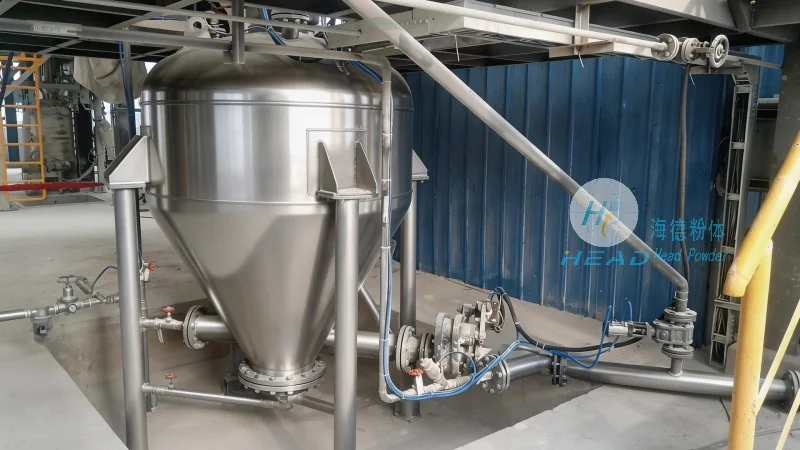
HeadPowder, a leading engineering company based in Shandong, China, specializes in the design, manufacturing, and installation of advanced material handling solutions. With a deep understanding of the unique properties of borax granules—such as their size, density, and flow characteristics—the company has developed tailored pneumatic conveying systems that optimize efficiency and reliability. The following sections delve into the technical aspects of both positive and negative pressure systems, offering insights into their suitability for borax granule transport.
Understanding Pneumatic Conveying Systems for Borax Granules
Pneumatic conveying systems utilize air or gas to transport bulk materials like borax granules through a pipeline. These systems are widely adopted in industries where traditional mechanical conveying methods may be impractical due to material properties or operational constraints. For borax granules, which are typically fine to medium-sized particles with a certain degree of dustiness, the choice of system design is critical to ensure minimal product degradation and efficient transport.
Positive Pressure Pneumatic Conveying Systems
Positive pressure systems operate by blowing air or gas into the conveying line, creating a pressure higher than the ambient environment. This method is particularly effective for transporting borax granules over longer distances or through complex pipeline networks. The primary advantage of positive pressure systems is their ability to handle high material loads and maintain consistent flow rates, even when dealing with abrasive or sticky materials like borax. The system typically includes a blower, a hopper for material storage, and a pipeline network that directs the material to the destination point.
Key features of positive pressure systems for borax granule transport include: high conveying capacity, reduced risk of material blockage due to the continuous flow of air, and the ability to handle vertical and horizontal transport simultaneously. However, these systems may require more robust equipment to withstand the higher pressures and potential wear from abrasive particles. Additionally, the higher energy consumption associated with blowing air at elevated pressures can impact operational costs.
Negative Pressure Pneumatic Conveying Systems
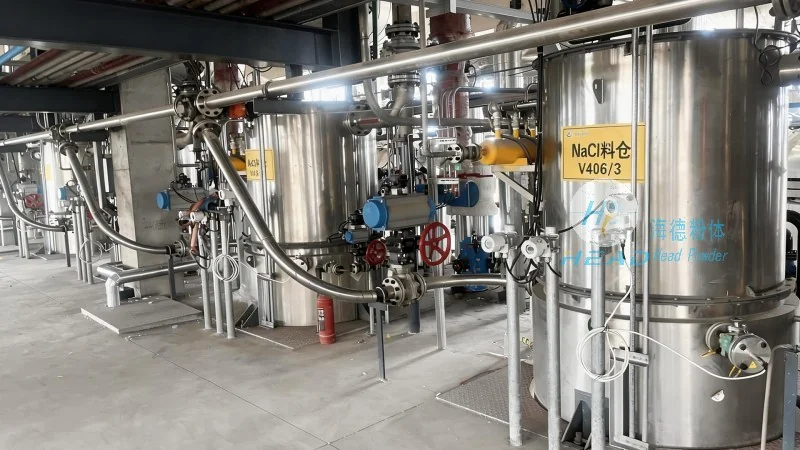
Negative pressure systems, also known as vacuum or suction systems, operate by creating a vacuum in the pipeline, drawing material from the source point into the system. This approach is often preferred for shorter transport distances or when the material needs to be collected from multiple points. For borax granules, negative pressure systems can effectively handle materials that are prone to dust generation, as the vacuum helps contain particles and prevent spillage.
Key advantages of negative pressure systems include lower energy consumption compared to positive pressure systems, as they rely on the natural suction of air rather than forced air flow. This makes them more suitable for applications where energy efficiency is a priority. Additionally, negative pressure systems are generally quieter and produce less noise pollution, which can be beneficial in environments where noise control is required. However, these systems may have limitations in terms of conveying distance and material load capacity, as the vacuum strength diminishes over longer distances and with larger particle sizes.
Comparative Analysis: Positive vs. Negative Pressure Systems
When selecting a pneumatic conveying system for borax granules, it is essential to evaluate the specific requirements of the application, including the distance between the source and destination, the material flow rate, and the desired level of energy efficiency. The following table summarizes the key differences between positive and negative pressure systems:
| Characteristic | Positive Pressure System | Negative Pressure System |
| Conveying Principle | Air blown into pipeline (higher pressure) | Vacuum created (lower pressure) |
| Typical Distance | Longer (up to several hundred meters) | Shorter (up to several tens of meters) |
| Energy Consumption | Higher (due to forced air) | Lower (natural suction) |
| Material Load Capacity | Higher (suitable for high flow rates) | Lower (limited by vacuum strength) |
| Noise Level | Higher (due to blower operation) | Lower (quieter operation) |
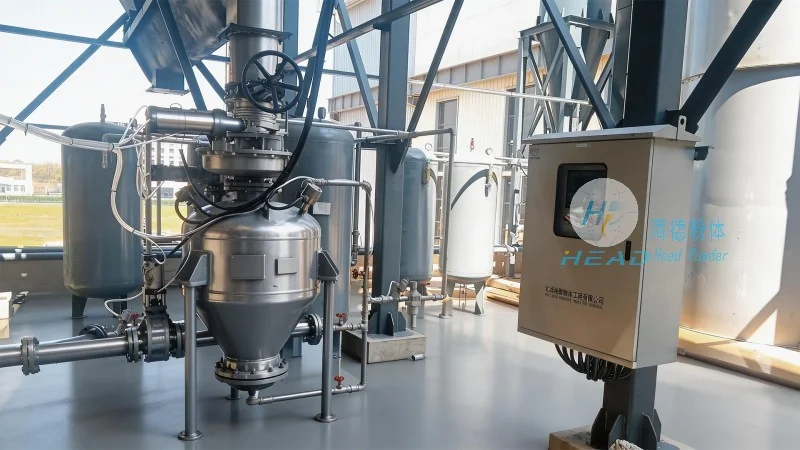
Based on this comparison, positive pressure systems are generally preferred for long-distance or high-volume borax granule transport, while negative pressure systems are more suitable for short-distance applications or where noise and energy efficiency are critical factors. HeadPowder’s engineering team can provide customized solutions that align with these operational requirements, ensuring optimal performance and cost-effectiveness.
Key Considerations for Borax Granule Pneumatic Conveying
When implementing a pneumatic conveying system for borax granules, several factors must be considered to ensure reliable operation and minimal maintenance. These include:
Material Properties: Borax granules have specific characteristics such as particle size distribution, moisture content, and flowability, which can affect system performance. Proper material testing is essential to select the appropriate system design.
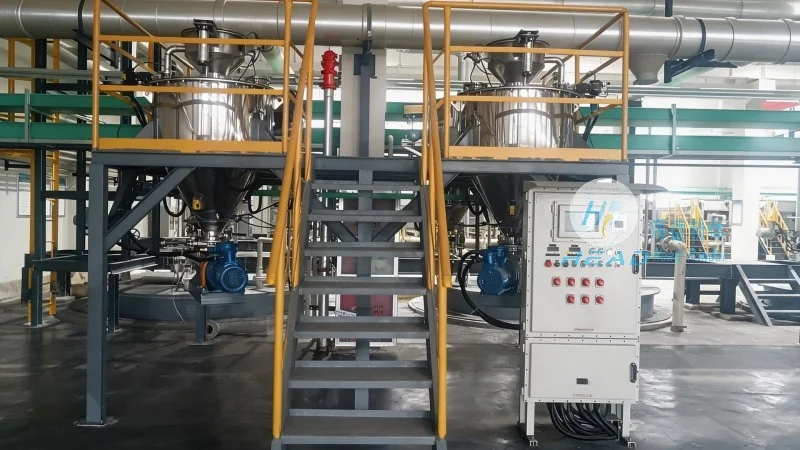
Pipeline Design: The diameter and length of the pipeline, as well as the number of bends and fittings, impact the pressure drop and conveying efficiency. HeadPowder’s engineers use computational fluid dynamics (CFD) to optimize pipeline layouts for borax granule transport.
Equipment Selection: The choice of blower (positive pressure) or vacuum pump (negative pressure), as well as the material handling components like hoppers and rotary valves, must be matched to the material properties and system requirements.
Maintenance and Safety: Regular maintenance of the system components, including filters and seals, is crucial to prevent material buildup and ensure safe operation. HeadPowder provides comprehensive maintenance services to minimize downtime and extend equipment lifespan.
Conclusion
Both positive pressure and negative pressure pneumatic conveying systems offer viable solutions for transporting borax granules, each with distinct advantages and limitations. The selection of the optimal system depends on factors such as transport distance, material flow rate, energy efficiency, and noise considerations. HeadPowder, with its expertise in material handling engineering, provides tailored solutions that address the unique challenges of borax granule transport, ensuring efficient, reliable, and cost-effective operation for clients in the industry.