

Technical Analysis of Gypsum Powder and Dust Pneumatic Conveying Systems: Comparison of Positive Pre
Gypsum powder and dust are widely used in construction, industrial manufacturing, and other sectors due to their versatile applications. Efficient and reliable material handling is crucial for optimizing production processes and ensuring product quality. Pneumatic conveying systems offer a solution to transport these materials over long distances and in various environments. This article provides a technical analysis of the two primary modes of pneumatic conveying—positive pressure and negative pressure—and compares their applications, advantages, and limitations.
Company Overview: Shandong HeadPowder Engineering Co., Ltd.
Shandong HeadPowder Engineering Co., Ltd., operating under the brand name headpowder, specializes in the design, manufacturing, and installation of advanced pneumatic conveying systems. With a focus on innovation and customer-centric solutions, the company has established itself as a leading provider in the industry. HeadPowder's expertise lies in tailoring systems to meet the specific needs of clients, ensuring optimal performance and durability. The company's headquarters is located in Shandong, China, where it leverages local resources and industry knowledge to deliver high-quality products and services.
Positive Pressure Pneumatic Conveying Systems
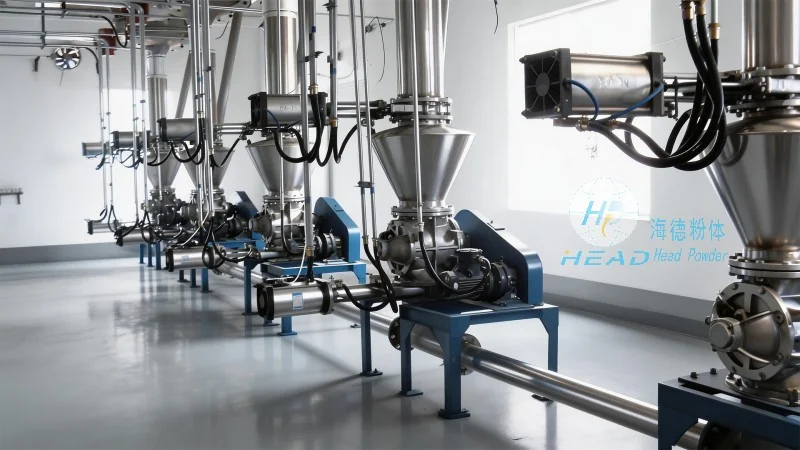
Positive pressure systems, also known as pressure conveying systems, operate by generating high-pressure air or gas within the conveying line. This method forces the material to move through the pipeline under pressure. The system typically includes a blower or compressor that supplies the necessary air pressure, a hopper or feeder to introduce the material, and a discharge point where the material is released. Positive pressure systems are particularly effective for transporting dry powders and fine particles over medium to long distances. They are commonly used in applications such as gypsum powder handling, where the material needs to be transported from a storage silo to a processing plant or a production line.
The primary advantage of positive pressure systems is their ability to handle a wide range of materials, including abrasive and corrosive powders. The high pressure ensures that the material is transported efficiently without clogging or blockages. Additionally, positive pressure systems can operate in environments where the material may be sensitive to moisture or contamination, as the sealed pipeline prevents external factors from affecting the material. However, these systems require more robust equipment and higher energy consumption compared to negative pressure systems. The initial investment and maintenance costs are generally higher, which may be a consideration for smaller operations.
Negative Pressure Pneumatic Conveying Systems
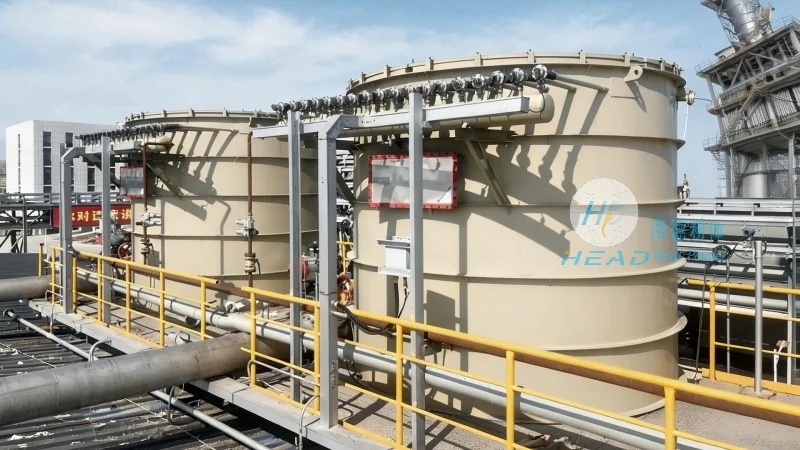
Negative pressure systems, or vacuum conveying systems, operate by creating a low-pressure environment within the conveying line. This method draws the material into the pipeline using a vacuum pump. The system consists of a vacuum source, a hopper or feeder, and a discharge point where the material is released. Negative pressure systems are often used for short to medium distance transport and are suitable for handling fine powders and dust that are light in weight. They are commonly employed in applications such as gypsum dust collection and transfer from a processing area to a storage silo.
A key advantage of negative pressure systems is their lower energy consumption and reduced equipment complexity compared to positive pressure systems. The vacuum pump requires less power to operate, making it more energy-efficient. Additionally, the system is generally less expensive to install and maintain, as the components are simpler and less prone to wear and tear. However, negative pressure systems have limitations in handling abrasive or heavy materials, as the low pressure may not provide sufficient force to move the material through the pipeline. They are also more susceptible to clogging and blockages, especially with fine powders that tend to stick to the pipeline walls.
Comparison of Positive and Negative Pressure Pneumatic Conveying Systems
When selecting a pneumatic conveying system for gypsum powder and dust applications, it is essential to consider the specific requirements of the operation. Positive pressure systems are generally more suitable for long-distance transport and handling of abrasive or heavy materials, while negative pressure systems are better suited for short-distance transport and handling of fine, light materials. The choice between the two modes depends on factors such as the distance between the source and destination, the material characteristics, the required flow rate, and the overall cost considerations.

From an operational perspective, positive pressure systems offer higher reliability and efficiency for long-term use. The high pressure ensures consistent material flow and reduces the risk of clogging. However, they require more maintenance and monitoring to ensure the equipment operates within safe parameters. Negative pressure systems, while more energy-efficient, may require more frequent cleaning and maintenance to prevent blockages. The choice of system also impacts the overall safety and environmental considerations. Positive pressure systems are generally safer as they do not release material into the environment during operation, whereas negative pressure systems may have some material leakage if the system is not properly sealed.
Key Considerations for Choosing the Right Pneumatic Conveying System
When deciding between positive and negative pressure pneumatic conveying systems for gypsum powder and dust, several factors should be evaluated. First, the distance between the material source and the destination is a critical factor. Positive pressure systems are preferred for distances exceeding 100 meters, while negative pressure systems are suitable for shorter distances, typically up to 50 meters. Second, the material characteristics, such as particle size, density, and abrasiveness, play a significant role. Abrasive or heavy materials are better handled by positive pressure systems due to their higher pressure capabilities. Third, the required flow rate and throughput must be considered. Positive pressure systems can handle higher flow rates, making them suitable for high-production environments. Fourth, the cost implications, including initial investment, energy consumption, and maintenance, should be weighed. Positive pressure systems have higher upfront costs but lower operational costs in the long run, while negative pressure systems have lower initial costs but higher operational expenses.
Additionally, the environmental and safety aspects should be taken into account. Positive pressure systems are more environmentally friendly as they prevent material leakage and minimize dust emissions. Negative pressure systems may require additional filtration and ventilation systems to control dust and ensure worker safety. The choice of system should align with the specific operational needs and budget constraints of the client. By carefully evaluating these factors, businesses can select the most appropriate pneumatic conveying system to optimize their material handling processes and improve overall efficiency.