

Technical Analysis of Stone Powder Pneumatic Conveying Systems: Comparison of Positive Pressure vs.
HeadPowder, a leading engineering firm based in Shandong, China, specializes in the design and implementation of advanced pneumatic conveying systems for handling bulk materials like stone powders. This article provides a technical breakdown of the two primary pneumatic conveying modes—positive pressure and negative pressure—and compares their applications, advantages, and limitations in stone powder handling processes.
Introduction to Pneumatic Conveying Systems for Stone Powders
Stone powders, such as crushed limestone, granite, or other aggregates, are widely used in construction, manufacturing, and industrial applications. Efficient and reliable material transport is crucial for maintaining production efficiency and ensuring product quality. Pneumatic conveying systems offer a non-contact, low-maintenance solution for transporting these powders over short to medium distances. The choice between positive pressure and negative pressure systems depends on factors like material properties, system layout, and operational requirements.
Understanding Positive Pressure Pneumatic Conveying
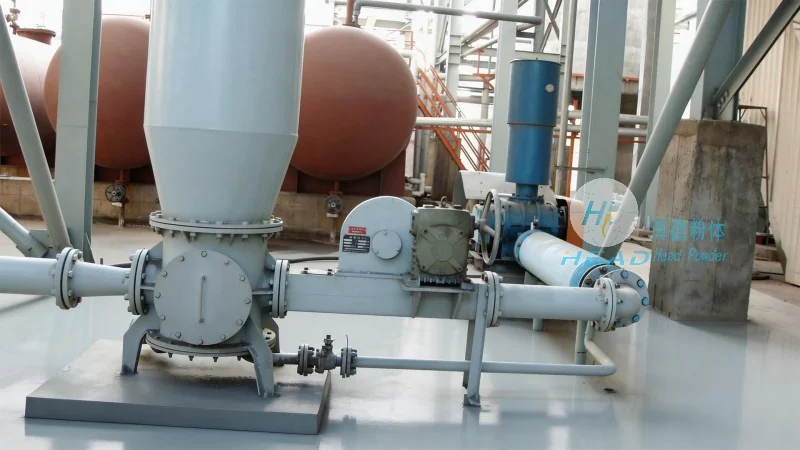
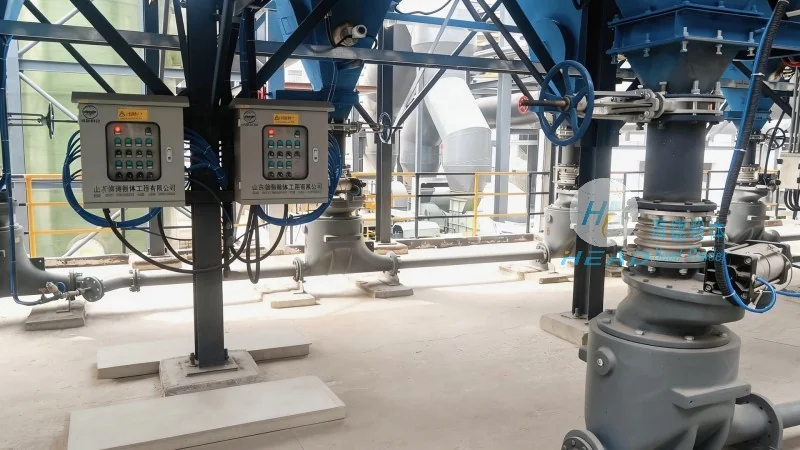
Positive pressure pneumatic conveying systems operate by blowing air or a carrier gas into the material stream, creating a pressure higher than the ambient air pressure. This method propels the material through the pipeline. The system typically includes a blower, a hopper for material storage, and a conveying line. The key components of a positive pressure system include the air compressor, material feed hopper, and the pipeline network. The material is fed into the system under pressure, and the air flow carries the powder through the line to the discharge point. This mode is particularly effective for transporting abrasive or high-density materials like stone powders, as the high pressure ensures consistent flow and reduces the risk of blockages.
Advantages of Positive Pressure Conveying
Positive pressure systems offer several advantages for stone powder handling. Firstly, they provide high conveying capacity, making them suitable for large-scale operations. The pressurized environment helps maintain material integrity, preventing segregation or degradation during transport. Additionally, positive pressure systems are less susceptible to external air infiltration, which can affect material quality. They also allow for longer conveying distances compared to negative pressure systems, as the pressure can be maintained along the pipeline. The system is relatively simple to install and maintain, with fewer components compared to negative pressure systems.
Limitations of Positive Pressure Conveying
Despite its benefits, positive pressure systems have some limitations. The high pressure required can lead to increased energy consumption and higher operational costs. The system may also generate more noise and vibration due to the blower operation. Another limitation is the risk of material leakage at the discharge point, as the high pressure can cause the material to escape if not properly sealed. Furthermore, positive pressure systems may not be suitable for very fine or low-density powders, as the air flow may not be sufficient to carry the material effectively.
Understanding Negative Pressure Pneumatic Conveying
Negative pressure pneumatic conveying systems, also known as vacuum systems, operate by creating a vacuum in the conveying line, which draws the material from the source into the system. The material is then transported to the discharge point by the vacuum. The system includes a vacuum pump, a material hopper, and a suction line. The key components are the vacuum pump, the material feed hopper, and the suction pipeline. The material is fed into the system under vacuum, and the air flow pulls the powder through the line. This mode is often used for short to medium distances and is suitable for materials that are less abrasive or have lower density.
Advantages of Negative Pressure Conveying
Negative pressure systems offer distinct advantages for certain stone powder applications. One key benefit is the lower energy consumption compared to positive pressure systems, as the vacuum pump operates at lower pressures. This results in reduced operational costs. The system is also quieter and less vibration-prone, making it more suitable for environments where noise control is important. Negative pressure systems are effective for handling fine powders or materials that are prone to dust generation, as the vacuum helps control dust emissions. Additionally, the system can be more flexible in terms of layout, as the suction line can be arranged in various configurations to accommodate different plant layouts.
Limitations of Negative Pressure Conveying
However, negative pressure systems have their own set of limitations. The primary limitation is the shorter conveying distance compared to positive pressure systems, as the vacuum pressure drops along the pipeline. This can limit the application for longer transport requirements. The system is also more susceptible to external air infiltration, which can affect material quality and cause dust issues. Another limitation is the higher risk of material blockages or clogging in the suction line, especially with abrasive or high-density materials like stone powders. The system may also require more maintenance due to the vacuum pump and the need to prevent air leaks in the pipeline.
Comparative Analysis: Positive Pressure vs. Negative Pressure
When selecting between positive and negative pressure pneumatic conveying systems for stone powders, several factors must be considered. The primary factor is the conveying distance and the required capacity. For long distances and high capacities, positive pressure systems are generally more suitable due to their ability to maintain pressure over longer distances. For shorter distances and lower capacities, negative pressure systems may be more cost-effective. Material properties also play a crucial role; abrasive or high-density stone powders are better suited for positive pressure systems, while fine or low-density powders may perform better with negative pressure. Operational costs, including energy consumption and maintenance, should also be evaluated. Positive pressure systems may have higher energy costs but lower maintenance, while negative pressure systems have lower energy costs but higher maintenance requirements. Environmental considerations, such as dust control, are another factor; negative pressure systems are better at containing dust, while positive pressure systems may require additional dust collection equipment.
Application Examples in Stone Powder Handling
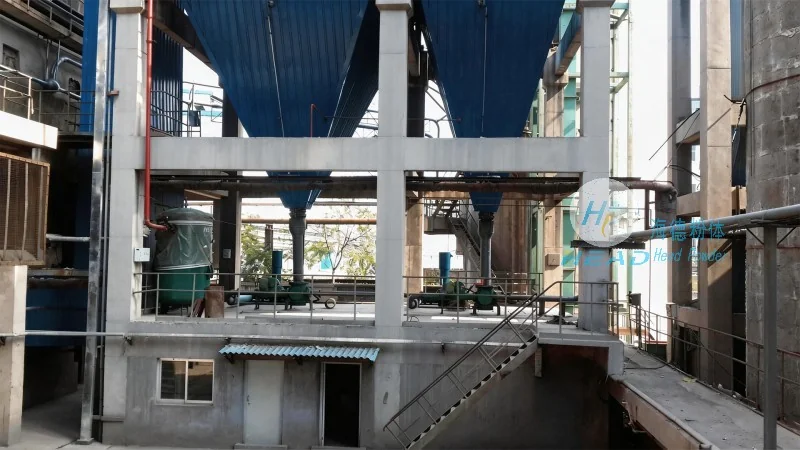
Positive pressure systems are commonly used in large-scale stone powder production facilities, where the material needs to be transported over long distances to processing units or storage silos. For example, in a limestone grinding plant, a positive pressure system can transport the ground limestone powder from the grinding mill to the storage silos or to a nearby construction site. The high pressure ensures that the abrasive limestone powder is conveyed efficiently without blockages. Negative pressure systems are often used in smaller-scale operations or for transporting fine powders, such as in a laboratory or a small-scale manufacturing plant. For instance, a negative pressure system can be used to transport fine granite powder from a hopper to a mixing machine in a concrete production facility. The vacuum helps control dust and ensures that the fine powder is conveyed smoothly.
Conclusion and Recommendations
Both positive pressure and negative pressure pneumatic conveying systems offer viable solutions for handling stone powders, each with its own set of advantages and limitations. The choice between the two depends on specific operational requirements, material properties, and cost considerations. Positive pressure systems are ideal for high-capacity, long-distance transport of abrasive stone powders, while negative pressure systems are suitable for shorter distances and fine powders with lower energy consumption. Companies should conduct a thorough analysis of their material handling needs, including distance, capacity, and material characteristics, to select the most appropriate system. HeadPowder, with its expertise in engineering and design, can provide customized solutions tailored to the specific requirements of stone powder handling applications, ensuring efficient and reliable material transport.