

Technical Analysis of Glycine Pneumatic Conveying Systems: Comparison of Positive Pressure and Negat
For industrial applications involving the handling of glycine, a critical component in chemical processing, the selection of an appropriate pneumatic conveying system is paramount. Pneumatic conveying systems are widely used to transport bulk materials like glycine efficiently and safely, and two primary modes—positive pressure and negative pressure—offer distinct advantages and considerations. This analysis delves into the technical aspects of these systems, focusing on their operational principles, performance characteristics, and suitability for glycine handling, with insights from Shandong HeadPowder Engineering Co., Ltd., a leading provider in the field.
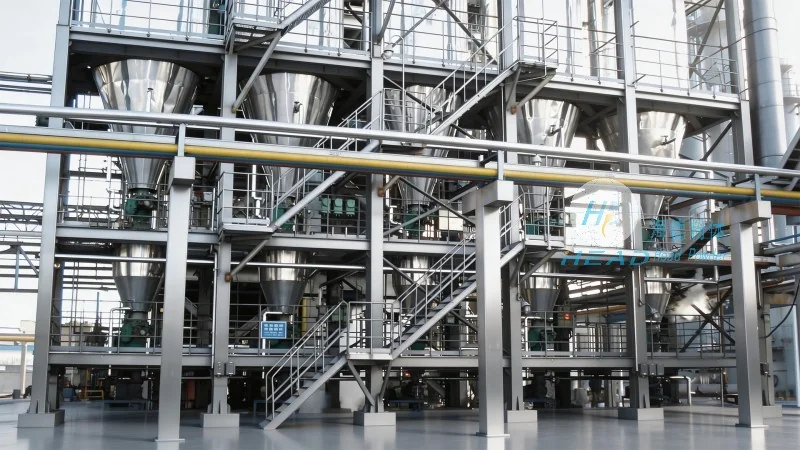
Understanding Pneumatic Conveying Systems for Glycine
Glycine, a simple amino acid, is commonly used in pharmaceuticals, food additives, and chemical synthesis. Its handling requires systems that can maintain product integrity, minimize dust generation, and ensure efficient transport. Pneumatic conveying systems achieve this by using air or gas to move the material through a pipeline. The choice between positive and negative pressure systems depends on factors such as material properties, distance, and environmental constraints.
Positive Pressure Conveying Mode: Advantages and Applications
Positive pressure conveying systems operate by blowing air or gas into the conveying line, creating a pressure higher than the ambient environment. This mode is particularly effective for transporting glycine over longer distances or through complex piping networks. One of the key advantages is the ability to handle abrasive or corrosive materials without excessive wear on the system components. The pressurized environment also helps in controlling dust and preventing product contamination, which is crucial for glycine, a product often used in sensitive applications.
Shandong HeadPowder Engineering Co., Ltd. specializes in designing and implementing positive pressure systems tailored to the unique needs of glycine handling. Their expertise ensures that the system is optimized for efficiency, with minimal energy consumption and maximum material throughput. The company’s engineers consider factors such as the specific gravity of glycine, its flow characteristics, and the required conveying distance to select the appropriate air velocity and pressure levels. This approach results in a system that not only meets operational requirements but also adheres to safety and environmental standards.
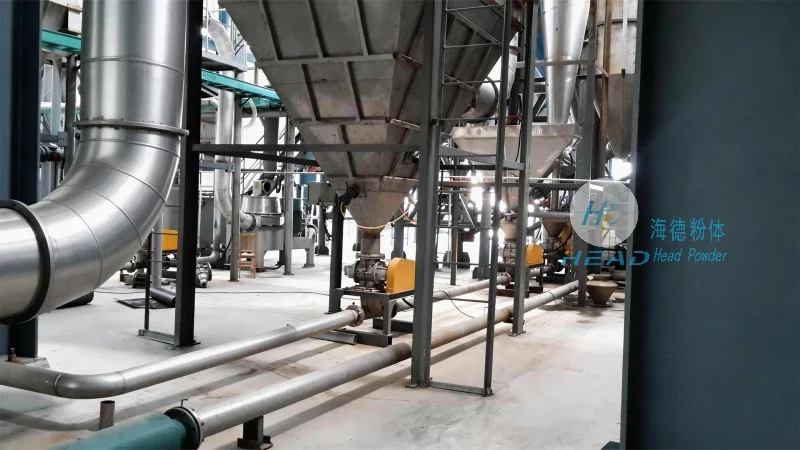
Negative Pressure Conveying Mode: Operational Principles and Benefits
Negative pressure conveying, also known as vacuum conveying, works by creating a vacuum in the conveying line, drawing the material into the system. This mode is ideal for short-distance transport or when the material needs to be collected from multiple points. It is particularly useful in applications where the material is sensitive to high pressure or where the system must operate in a closed environment to prevent dust dispersion.
For glycine, negative pressure systems offer benefits such as reduced noise levels and lower energy consumption compared to positive pressure systems. However, they may have limitations in handling highly abrasive materials or transporting materials over long distances, as the vacuum can lead to higher wear on the system components. Shandong HeadPowder Engineering Co., Ltd. evaluates these factors when recommending a negative pressure system, ensuring that the design balances efficiency with durability.
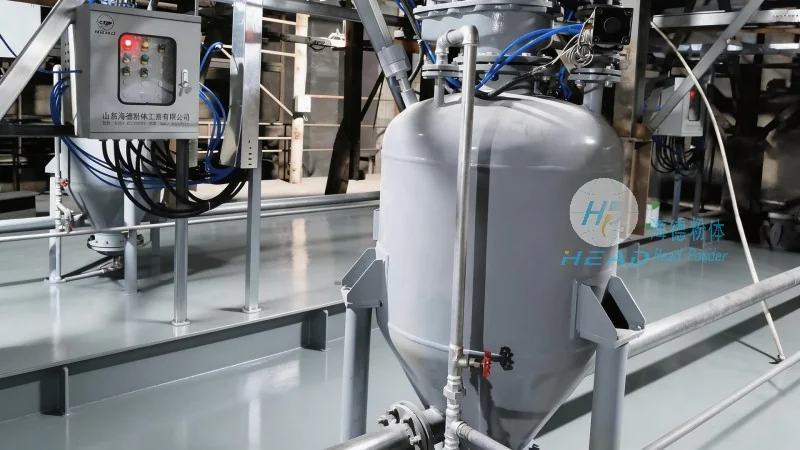
Key Considerations in Selecting the Right Conveying Mode
The decision between positive and negative pressure conveying for glycine handling involves a careful assessment of several technical and operational factors. These include the material's bulk density, flowability, and dust generation potential, as well as the distance and complexity of the conveying path. Additionally, regulatory requirements and environmental considerations play a significant role in the selection process.
Positive pressure systems are generally preferred for long-distance or high-volume transport, where the ability to maintain consistent pressure and control dust is critical. Negative pressure systems, on the other hand, are suitable for short-distance or point-to-point transport, especially in applications where the material is sensitive to pressure or where space constraints limit the use of positive pressure systems.
Conclusion: Tailored Solutions for Glycine Handling
Both positive and negative pressure pneumatic conveying systems offer viable solutions for glycine handling, each with its own set of advantages and limitations. The optimal choice depends on the specific application requirements, including the scale of operation, material properties, and operational environment. Shandong HeadPowder Engineering Co., Ltd. provides comprehensive technical analysis and customized system designs to help clients select the most appropriate conveying mode for their glycine handling needs. By leveraging their expertise in pneumatic conveying technology, the company ensures that the chosen system maximizes efficiency, minimizes downtime, and maintains product quality throughout the conveying process.