

Technical Analysis of Secondary Zinc Oxide Pneumatic Conveying Systems: Comparison of Positive Press
Secondary zinc oxide is a vital material in industries such as pharmaceuticals, chemicals, and metallurgy. Efficient material handling is crucial for maintaining product quality and operational efficiency. Pneumatic conveying systems utilize air or gas to transport secondary zinc oxide through pipelines, offering a non-contact method that reduces product degradation and equipment wear. This technical analysis focuses on the comparison between positive pressure and negative pressure conveying modes for secondary zinc oxide systems. The analysis is presented by Shandong HeadPowder Engineering Co., Ltd., a leading material handling solutions provider based in Shandong, China.
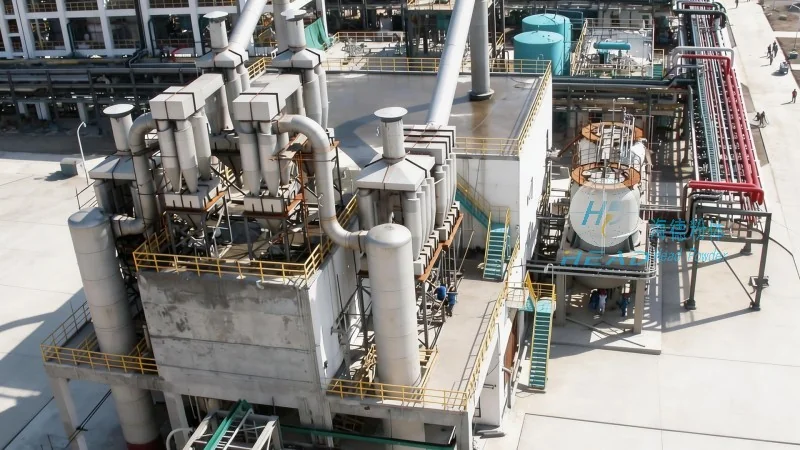
Overview of Pneumatic Conveying Systems for Secondary Zinc Oxide
Pneumatic conveying systems are designed to transport bulk materials like secondary zinc oxide by leveraging air as the conveying medium. These systems are preferred for handling abrasive or sensitive materials due to their ability to avoid mechanical contact. The two primary modes of pneumatic conveying are positive pressure and negative pressure systems, each with distinct operational principles and applications. Understanding these differences is essential for selecting the most suitable system for secondary zinc oxide handling.
Positive Pressure Conveying Mode Analysis
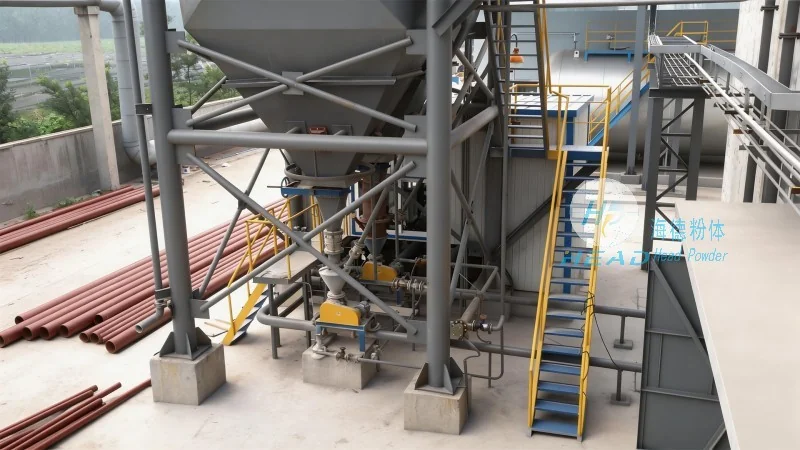
Positive pressure conveying systems operate by blowing air or gas into the material line, creating a pressure higher than ambient air pressure. This mode is typically used for short to medium distance conveying and is effective for handling dry, free-flowing secondary zinc oxide. The system components include a blower, a material feed hopper, and a discharge point. The positive pressure ensures continuous material flow through the pipeline, minimizing blockages and maintaining consistent flow rates. For secondary zinc oxide, this mode offers advantages such as higher material load capacity and reduced dust accumulation in the pipeline. However, it may require more energy input and may not be suitable for long-distance or high-temperature applications.
Negative Pressure Conveying Mode Analysis
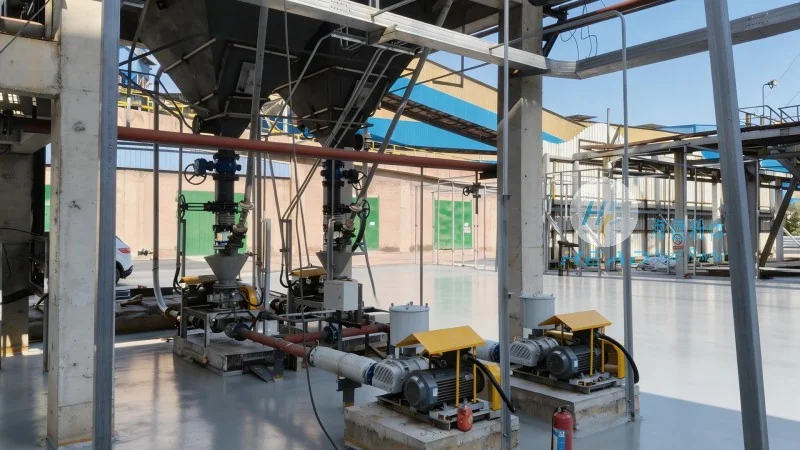
Negative pressure conveying systems, also known as suction or vacuum systems, operate by creating a vacuum in the material line to draw material from the source into the pipeline. This mode is ideal for long-distance conveying or when handling dusty or hazardous materials. The system consists of a vacuum pump, a material feed hopper, and a discharge point. The negative pressure pulls material through the pipeline, making it suitable for secondary zinc oxide with higher moisture content or fine particles. Negative pressure systems are generally more energy-efficient over long distances and better at handling materials prone to dust generation. However, they may be more susceptible to blockages and require more maintenance to prevent dust leakage and system contamination.
Comparison of Positive Pressure vs. Negative Pressure Modes
When selecting a pneumatic conveying system for secondary zinc oxide, key factors include conveying distance, material properties, system efficiency, and operational costs. Positive pressure systems are generally more suitable for short to medium distances (typically less than 100 meters) and dry materials, offering better flow control and lower blockage risk. Negative pressure systems excel in long-distance (over 100 meters) applications and for materials with high moisture or dust content, being more energy-efficient over longer runs. Positive pressure systems may have lower initial costs but higher maintenance due to higher pressure and wear on components. Negative pressure systems have higher initial costs but lower maintenance due to lower pressure and less wear.
Key Considerations for System Selection
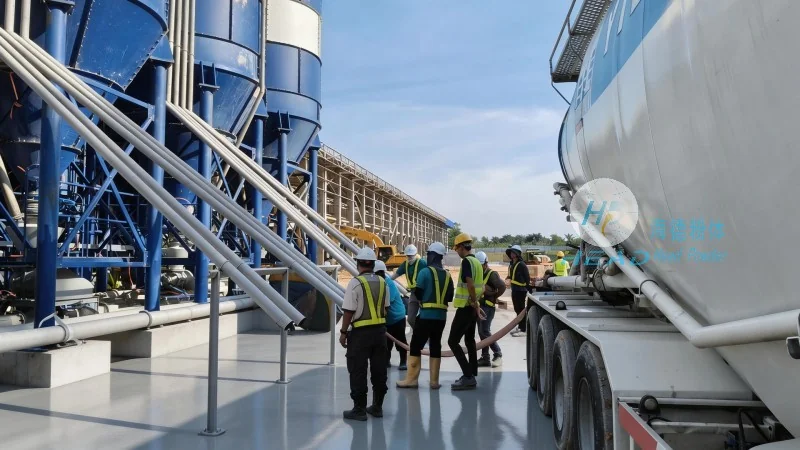
Several factors guide the choice between positive and negative pressure systems for secondary zinc oxide. First, conveying distance: short distances favor positive pressure, while long distances favor negative pressure. Second, material properties: dry, free-flowing materials suit positive pressure; dusty or high-moisture materials suit negative pressure. Third, operational environment: hazardous or dusty environments benefit from negative pressure systems to contain dust. Fourth, system cost and maintenance: positive pressure may have lower initial costs but higher long-term maintenance; negative pressure has higher initial costs but lower maintenance. Shandong HeadPowder Engineering Co., Ltd. offers customized solutions based on these factors to ensure optimal performance for secondary zinc oxide handling.
Conclusion and Recommendations
In summary, both positive and negative pressure pneumatic conveying systems provide effective solutions for secondary zinc oxide transport. The selection depends on specific application requirements such as distance, material characteristics, and operational environment. Positive pressure systems are ideal for short to medium distances and dry materials, while negative pressure systems are better for long distances and dusty or hazardous materials. Shandong HeadPowder Engineering Co., Ltd. specializes in designing and implementing these systems, ensuring efficient, reliable, and cost-effective material handling for secondary zinc oxide. By carefully evaluating the technical and operational aspects of each mode, industries can choose the most appropriate system to meet their needs and maintain product quality throughout the conveying process.