

Technical Analysis of Gravity Dust Removal Pneumatic Conveying Systems: Comparison of Positive and N
HeadPowder, a leading engineering company based in Shandong, China, specializes in the design and implementation of advanced pneumatic conveying systems for industrial dust removal applications. This technical analysis delves into the core technologies of gravity dust removal systems, focusing on the critical comparison between positive and negative pressure conveying modes. Understanding these modes is essential for selecting the most suitable solution for specific industrial processes, ensuring efficiency, reliability, and cost-effectiveness in material handling operations.
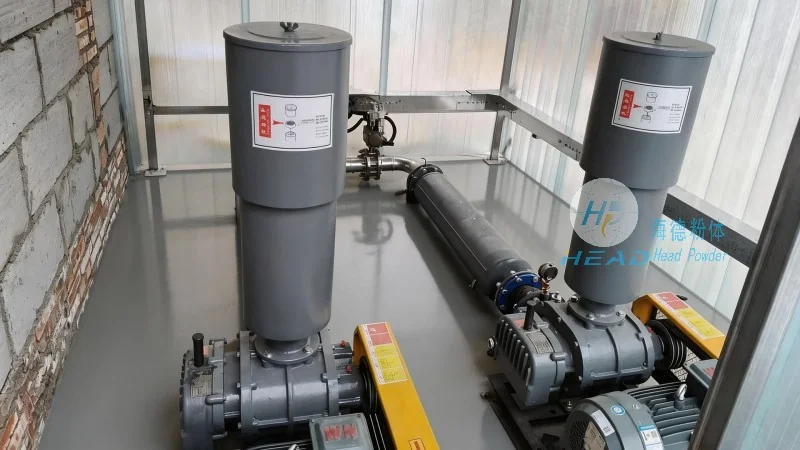
Introduction to Gravity Dust Removal Pneumatic Conveying Systems
Gravity dust removal systems are integral to modern industrial processes, particularly in sectors like cement, chemical, and food production, where fine particulate matter needs to be transported from one location to another. The primary goal of these systems is to capture and transport dust or fine powders using air as the conveying medium. Unlike traditional mechanical conveying methods, pneumatic systems offer flexibility, scalability, and the ability to handle materials that are difficult to transport via other means. The effectiveness of such systems largely depends on the pressure differential applied to the conveying line, which can be categorized into two main modes: positive pressure and negative pressure.
Positive Pressure Conveying Mode: Advantages and Applications
Positive pressure conveying operates by blowing air into the conveying line, creating a pressure higher than the ambient air pressure. This method is often referred to as "blow-through" or "pressure-assisted" conveying. In this mode, the material is drawn into the system as the high-pressure air pushes it forward. A key advantage of positive pressure systems is their ability to handle long conveying distances and high material loads. They are particularly effective for transporting abrasive or corrosive materials, as the high pressure helps to maintain the integrity of the conveying line and prevent material buildup. Additionally, positive pressure systems are generally more suitable for applications where the material needs to be discharged into a closed environment, such as a silo or a storage tank, as the high pressure ensures that the material is delivered without spillage or contamination.
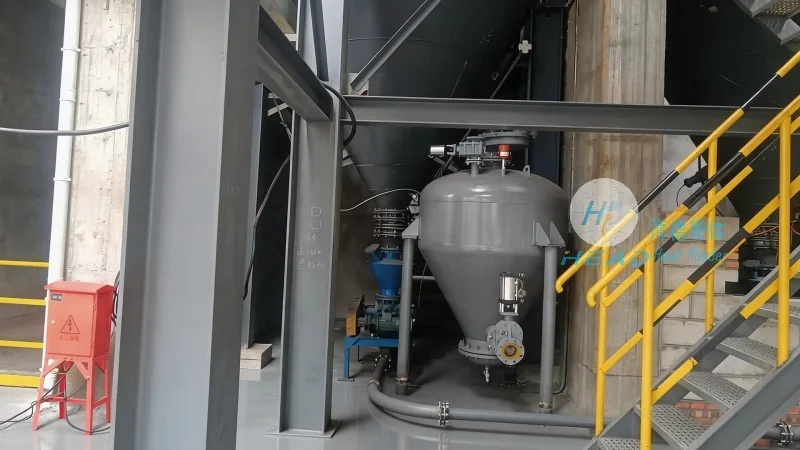
Negative Pressure Conveying Mode: Characteristics and Use Cases
Negative pressure conveying, also known as "suction" or "vacuum" conveying, works by creating a lower pressure inside the conveying line compared to the ambient air pressure. The system draws material into the line using a vacuum pump, and the material is then transported by the induced airflow. This mode is ideal for applications where the material is to be collected from a source with limited access or where the environment needs to be kept clean. Negative pressure systems are commonly used in environments where dust control is a priority, as the vacuum helps to prevent dust from escaping into the workplace. They are also suitable for handling materials that are sensitive to moisture or temperature changes, as the enclosed system minimizes exposure to external conditions.
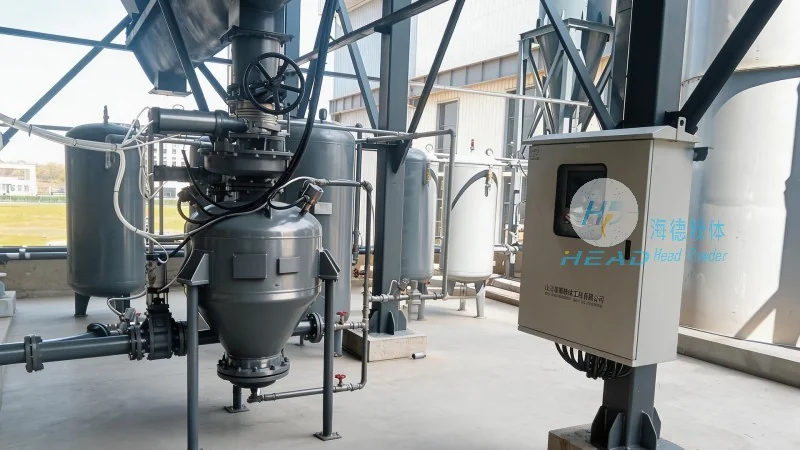
Comparison of Positive and Negative Pressure Modes
When deciding between positive and negative pressure conveying modes, several factors must be considered, including the material properties, conveying distance, system complexity, and operational costs. Positive pressure systems are generally more efficient for long-distance and high-volume conveying, as they can maintain consistent air flow and material velocity. However, they may require more robust equipment and higher energy consumption due to the need to generate high pressure. On the other hand, negative pressure systems are better suited for short-distance and low-volume applications, as well as for environments where dust containment is critical. They typically require less powerful equipment but may have limitations in handling abrasive materials or long distances.
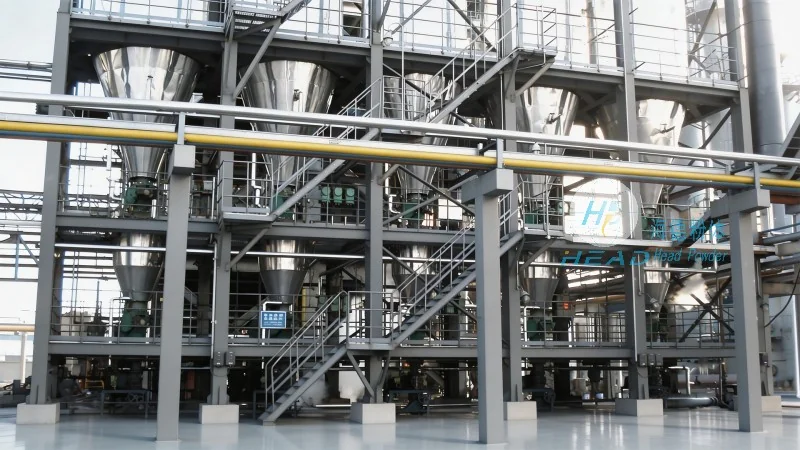
Key Considerations for System Design and Implementation
Designing an effective gravity dust removal pneumatic conveying system involves careful consideration of several parameters. The choice between positive and negative pressure modes is the most critical decision, as it directly impacts the system's performance and cost. Other key factors include the type of material being conveyed (e.g., fine powders, granules, or bulk solids), the required conveying distance, the desired flow rate, and the environmental regulations governing dust emissions. HeadPowder, with its extensive experience in industrial engineering, provides comprehensive solutions tailored to these specific requirements. Our team of experts conducts thorough analyses of the material properties and process conditions to recommend the most appropriate conveying mode and system configuration.
Conclusion: Selecting the Right Conveying Mode for Gravity Dust Removal
In conclusion, the choice between positive and negative pressure conveying modes in gravity dust removal systems is a critical decision that impacts the efficiency, reliability, and cost of material handling operations. Positive pressure systems offer advantages in long-distance and high-volume conveying, while negative pressure systems excel in short-distance and dust-sensitive applications. By understanding the characteristics and limitations of each mode, industrial facilities can select the most suitable solution to meet their specific needs. HeadPowder, as a trusted engineering partner, continues to innovate and provide advanced pneumatic conveying systems that enhance operational efficiency and ensure compliance with environmental standards. Our expertise in system design and implementation ensures that clients receive tailored solutions that optimize performance and minimize downtime.