

Technical Analysis of Catalyst Powder Pneumatic Conveying Systems: Comparison of Positive Pressure a
HeadPowder Engineering, a leading enterprise in the field of catalyst powder pneumatic conveying systems, specializes in providing advanced solutions for the efficient and safe transportation of catalyst powders. With its headquarters located in Shandong, China, the company has established itself as a trusted provider of customized pneumatic conveying technologies tailored to the unique demands of the catalyst industry.
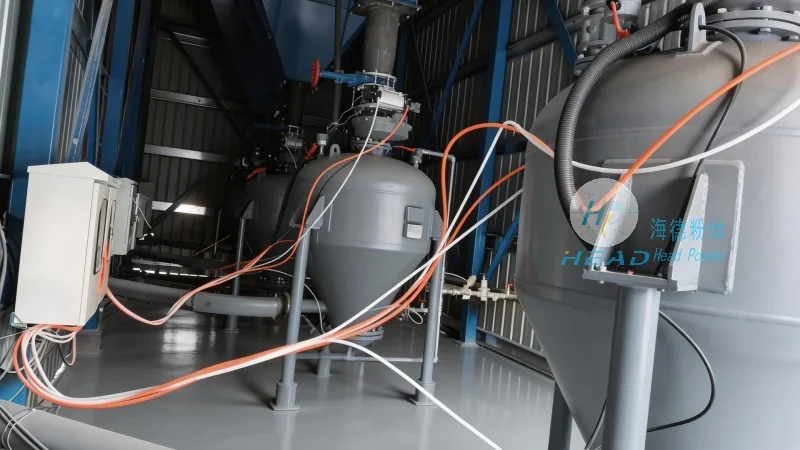
Pneumatic conveying systems are crucial for the catalyst manufacturing and processing sectors, as they enable the reliable and controlled movement of fine powders over varying distances. These systems are essential for optimizing production workflows, enhancing safety, and reducing operational costs. The choice between positive pressure and negative pressure conveying modes significantly impacts system performance, cost, and suitability for specific applications.
Positive Pressure Conveying Mode: Principles and Advantages
Positive pressure conveying operates by blowing air or gas through the material to be transported, creating a pressure differential that propels the powder through the system. This mode is characterized by its ability to handle high material concentrations, long transportation distances, and a wide range of particle sizes. One of the key advantages of positive pressure systems is their high efficiency in moving large volumes of catalyst powders over extended distances, often up to several kilometers. This makes them ideal for industrial-scale applications where bulk material handling is required.
Another significant benefit is the enhanced safety features inherent in positive pressure designs. By maintaining a positive pressure environment, these systems prevent the ingress of external contaminants and reduce the risk of dust explosions. The sealed system also minimizes the exposure of personnel to hazardous powders, aligning with stringent safety regulations in the chemical and catalyst industries. Additionally, positive pressure conveyors can handle abrasive or corrosive catalyst powders without compromising system integrity, thanks to robust construction materials such as stainless steel and specialized coatings.
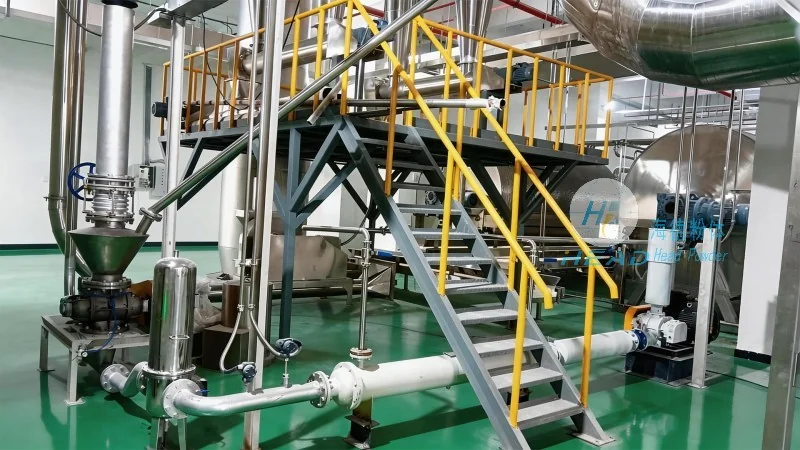
However, positive pressure systems come with notable drawbacks. The primary challenge is the higher initial investment and operational costs due to the need for powerful blowers, complex piping, and advanced control systems. Maintenance requirements are also more stringent, as the equipment must withstand continuous high-pressure operation and potential wear from abrasive powders. Furthermore, the energy consumption is typically higher compared to negative pressure systems, which can impact long-term operational expenses.
Negative Pressure Conveying Mode: Principles and Advantages
Negative pressure conveying, also known as suction or vacuum conveying, works by creating a vacuum in the system to draw the powder from the source into the conveying line. This mode is generally more suitable for shorter transportation distances and lower material concentrations. The key advantage of negative pressure systems is their lower initial cost and simpler design, making them an attractive option for small-scale or laboratory applications.
The simplicity of negative pressure conveyors is a major benefit. They typically consist of a vacuum pump, a hopper, and a conveying line, with minimal complex components. This reduces both the upfront capital expenditure and the complexity of installation and maintenance. The lower energy consumption compared to positive pressure systems also contributes to reduced operational costs, especially for short-term or intermittent conveying tasks.
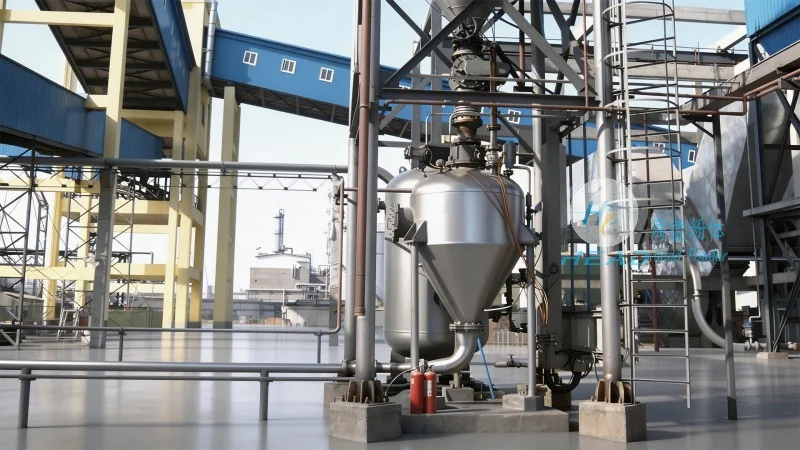
Another advantage is the better control over dust emissions in negative pressure systems. The sealed suction process minimizes the release of fine particles into the environment, which is particularly important for applications where air quality regulations are strict. This makes negative pressure conveyors suitable for handling sensitive or toxic catalyst powders where containment is critical.
Nevertheless, negative pressure conveying has limitations that restrict its use in certain scenarios. The primary drawback is the limited transportation distance, typically ranging from a few meters to a few hundred meters. Beyond this range, the vacuum pressure drops significantly, leading to reduced conveying efficiency and potential blockages. Additionally, the system is more susceptible to external air pressure fluctuations and can be affected by the presence of moisture or other atmospheric contaminants, which may impact the quality of the conveyed material.

Comparative Analysis: Choosing the Right Conveying Mode
When selecting between positive and negative pressure conveying modes for catalyst powder applications, several factors must be considered. The most critical decision point is the required transportation distance and material flow rate. For long-distance, high-volume operations, positive pressure systems are generally more efficient and reliable. Conversely, for short-distance, low-volume tasks, negative pressure systems offer a cost-effective solution.
Equipment cost and maintenance are also significant considerations. Positive pressure systems require higher initial investment and more frequent maintenance, while negative pressure systems are more economical upfront but may incur higher long-term costs due to increased energy consumption and potential wear from dust accumulation. Safety aspects play a crucial role as well. Positive pressure systems provide superior protection against dust explosions and external contamination, making them preferable for hazardous catalyst powders. Negative pressure systems, while effective in containing dust, may still pose risks if not properly sealed or maintained.
Material characteristics, such as particle size, density, and abrasiveness, also influence the choice of conveying mode. Positive pressure systems are better suited for handling abrasive or high-density catalyst powders due to their robust construction and ability to maintain high material concentrations. Negative pressure systems, however, may struggle with very fine or cohesive powders, as the suction process can lead to blockages and reduced efficiency.