

Choosing Between Positive Pressure and Negative Pressure for Fly Ash Pneumatic Conveying: How to Dis
When it comes to transporting fly ash, selecting the right pneumatic conveying system is crucial for efficiency, cost-effectiveness, and operational safety. Two primary methods dominate the industry: positive pressure and negative pressure systems. Understanding the differences between these approaches is essential for making an informed decision that aligns with your specific operational needs. This article will explore the key distinctions, advantages, and considerations for both positive and negative pressure fly ash conveying systems, helping you determine which option is best suited for your application.
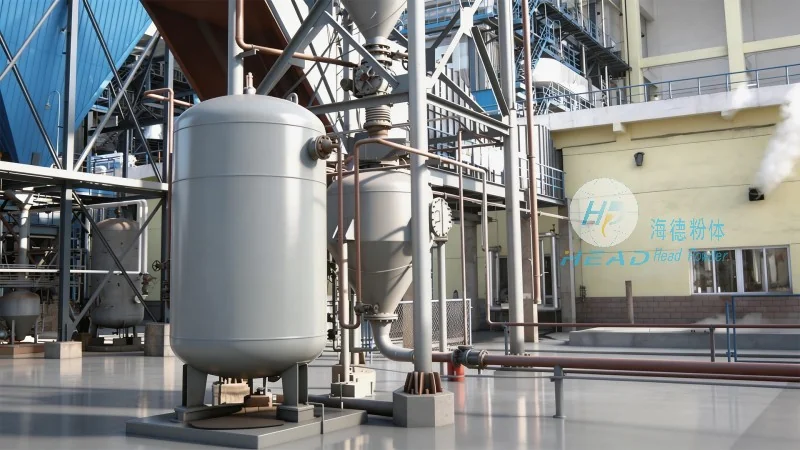
HeadPowder, a leading provider of engineering solutions in China, specializes in designing and implementing customized pneumatic conveying systems tailored to the unique requirements of industrial facilities. With a deep understanding of material handling challenges, HeadPowder's expertise ensures that clients receive optimal solutions for their fly ash transportation needs. The company's commitment to quality and innovation has established it as a trusted partner in the industry, offering comprehensive support from system design to installation and maintenance.
Understanding Positive Pressure Pneumatic Conveying
Positive pressure pneumatic conveying systems operate by blowing air or gas into the conveying line, creating a pressure higher than the ambient air pressure. This method propels the material through the system by forcing it forward. The primary components of a positive pressure system include a blower, a hopper or feed device, a conveying line, and a receiver or discharge point. The air is typically introduced at the inlet of the system, and the material is drawn into the line as the air flows forward.
For fly ash applications, positive pressure systems are often preferred when the material needs to be transported over long distances or through complex layouts. The high pressure ensures that the material is moved efficiently, even in challenging environments. Additionally, positive pressure systems are well-suited for applications where the material is sensitive to moisture or requires a controlled environment. The continuous flow of air helps maintain the material's quality and prevents clogging or blockages in the system.
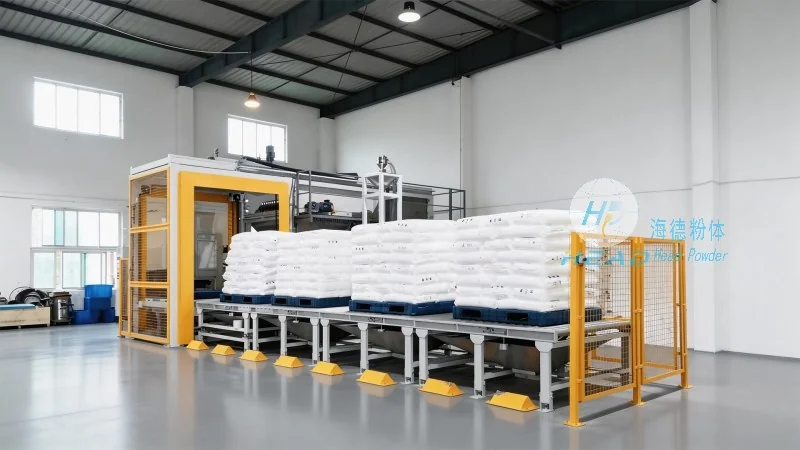
One of the key advantages of positive pressure systems is their ability to handle a wide range of material characteristics. They can effectively convey dry, fine powders like fly ash, as well as other bulk materials. The system's design allows for flexibility in terms of layout and configuration, making it adaptable to various industrial settings. However, it is important to consider the energy consumption and maintenance requirements of positive pressure systems, as they typically require more powerful blowers and may have higher operational costs compared to negative pressure systems.
Understanding Negative Pressure Pneumatic Conveying
Negative pressure pneumatic conveying systems, also known as vacuum systems, operate by creating a vacuum in the conveying line, which draws the material into the system. The air is drawn from the system, creating a pressure lower than the ambient air pressure. This method is ideal for applications where the material needs to be collected from multiple sources or transported in a contained manner. The primary components of a negative pressure system include a vacuum pump, a hopper or feed device, a conveying line, and a receiver or discharge point. The air is typically drawn from the outlet of the system, and the material is pulled into the line as the air flows backward.
For fly ash handling, negative pressure systems are commonly used when the material is to be collected from a dust collector or a storage silo and transported to a central location. The vacuum created in the system ensures that the material is drawn into the line without the need for external pressure. This method is particularly effective for applications where the material is generated in a confined space or where the system needs to operate in a closed environment. The negative pressure system helps maintain a clean and safe working environment by containing the material and preventing dust emissions.
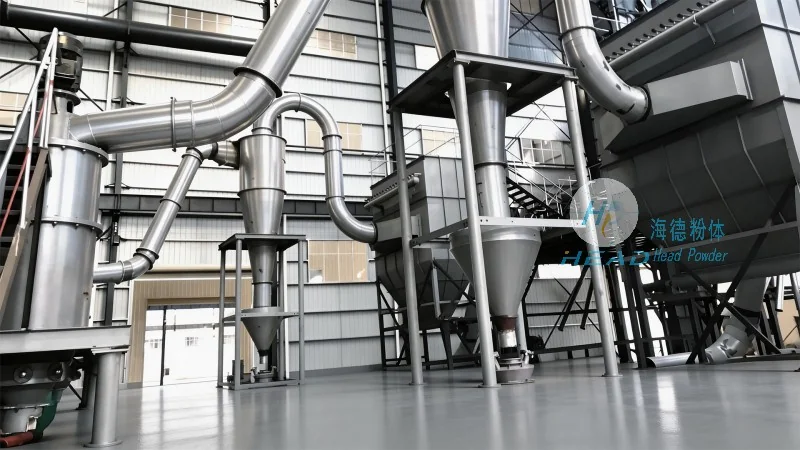
One of the main advantages of negative pressure systems is their lower energy consumption compared to positive pressure systems. The vacuum pump requires less power to operate, resulting in reduced operational costs. Additionally, negative pressure systems are generally more compact and easier to install, making them suitable for applications with limited space. However, they may have limitations in terms of conveying distance and material capacity, as the vacuum pressure may not be sufficient for long-distance or high-volume transport.
Distinguishing Between Positive and Negative Pressure Systems
When deciding between positive and negative pressure pneumatic conveying for fly ash, several factors should be considered. The first is the distance and layout of the conveying system. Positive pressure systems are better suited for long-distance transport or complex layouts, while negative pressure systems are more appropriate for shorter distances or confined spaces. The second factor is the material characteristics, such as particle size, moisture content, and flowability. Positive pressure systems are ideal for dry, fine powders like fly ash, while negative pressure systems may be more suitable for materials with higher moisture content or larger particle sizes.
The third factor is the operational environment and safety requirements. Positive pressure systems may be preferred in environments where dust control is critical, as the system is sealed and the air is contained. Negative pressure systems, on the other hand, are better for applications where the material needs to be contained and the system operates in a closed loop. The fourth factor is the energy consumption and maintenance costs. Positive pressure systems typically require more energy and have higher maintenance costs, while negative pressure systems are more energy-efficient and require less maintenance.