

Technical Analysis of Tri-Ni-Mn-Co Cathode Material Pneumatic Conveying Systems: Comparison of Posit
Tri-Ni-Mn-Co (NMC) cathode materials are a cornerstone in modern lithium-ion battery technology, widely used in electric vehicles, energy storage systems, and portable electronics. The efficient and safe handling of these powders is critical for industrial production, as they are sensitive to moisture, oxidation, and physical degradation. Pneumatic conveying systems have emerged as a preferred method for transporting these materials due to their ability to minimize contamination, maintain product integrity, and enhance operational safety. This article provides a technical analysis of pneumatic conveying systems for NMC cathode materials, focusing on the comparison between positive pressure and negative pressure delivery modes.
Understanding Pneumatic Conveying: Core Principles
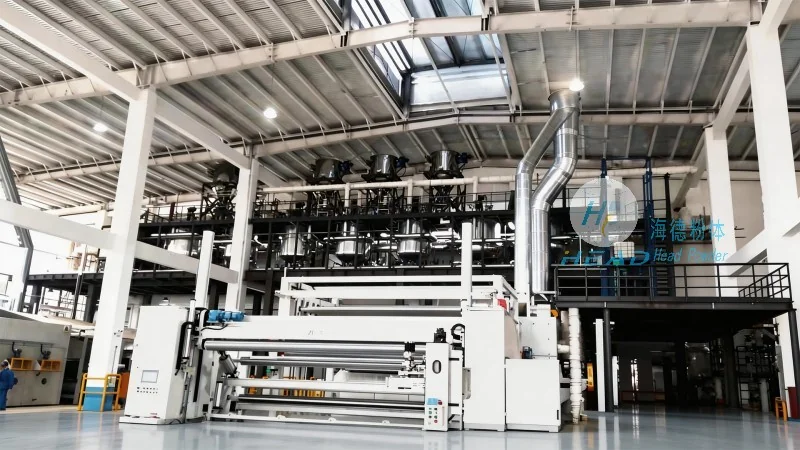
Pneumatic conveying uses compressed air or vacuum to move bulk materials through a pipeline. The two primary modes—positive pressure and negative pressure—differ in how they generate the necessary airflow to transport the material. Positive pressure systems operate by blowing air into the conveying line, while negative pressure systems create a vacuum by drawing air out of the line. Each mode has distinct characteristics that influence their suitability for NMC cathode material handling.
Positive Pressure Conveying: Advantages and Applications
Positive pressure pneumatic conveying systems are commonly used in industries requiring high material flow rates and long-distance transport. In this mode, a blower or compressor supplies compressed air to the conveying line, pushing the material forward. For NMC cathode materials, positive pressure systems offer several advantages. First, they provide consistent and reliable material flow, which is essential for maintaining production throughput. Second, the system can handle a wide range of particle sizes and moisture content, making it versatile for different production stages. Additionally, positive pressure systems are generally easier to install and maintain, as they do not require complex vacuum equipment. However, they may generate higher noise levels and require more energy compared to negative pressure systems. The energy consumption is a key consideration for large-scale operations, as it directly impacts operational costs. In terms of material handling, positive pressure systems are particularly effective for transporting NMC powders that are prone to agglomeration or caking, as the air flow helps break up clumps and ensure uniform distribution.
Negative Pressure Conveying: Benefits and Limitations
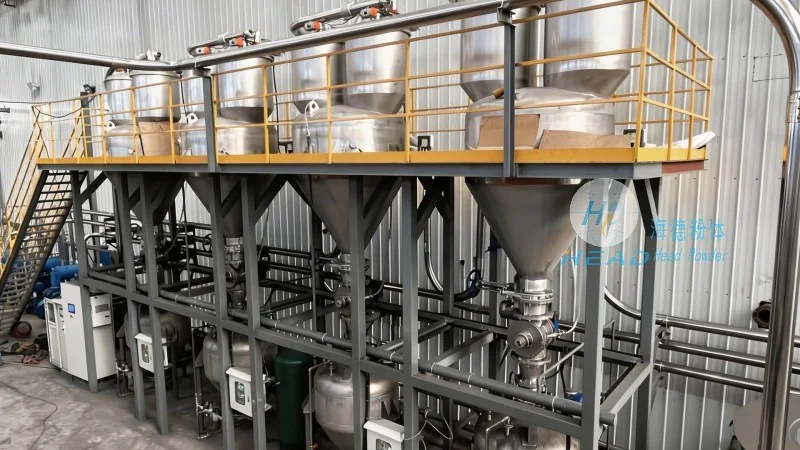
Negative pressure pneumatic conveying systems operate by creating a vacuum in the conveying line, which draws the material from the source to the destination. This mode is often preferred for applications where the material is sensitive to high air velocities or where the source is located at a higher elevation than the destination. For NMC cathode materials, negative pressure systems offer unique benefits. One of the primary advantages is the reduced risk of product contamination, as the system is sealed and does not expose the material to external air. This is critical for NMC powders, which are highly reactive and can degrade when exposed to moisture or oxygen. Additionally, negative pressure systems are quieter and consume less energy than positive pressure systems, making them more environmentally friendly and cost-effective for smaller-scale operations. However, negative pressure systems have limitations, particularly in handling large quantities of material or long-distance transport. The vacuum pressure is limited, which can restrict the flow rate and increase the risk of material blockages. For NMC cathode materials with high moisture content or fine particle sizes, negative pressure systems may require additional equipment, such as pre-drying or air filtration, to prevent clogging. The system also needs to be carefully designed to avoid backflow or pressure imbalances, which can lead to material spillage or equipment damage.
Key Factors in Choosing Between Positive and Negative Pressure Systems
The selection between positive and negative pressure pneumatic conveying systems for NMC cathode materials depends on several key factors. First, the material characteristics, such as particle size, moisture content, and flowability, play a critical role. For example, if the NMC powder has high moisture content or is prone to agglomeration, a positive pressure system with higher air velocity may be more suitable to break up clumps and maintain flow. Conversely, if the material is highly sensitive to air exposure, a negative pressure system is preferable to minimize contamination. Second, the operational requirements, including the required flow rate, distance, and energy efficiency, influence the choice. Positive pressure systems are better suited for high-volume, long-distance transport, while negative pressure systems are ideal for low-volume, short-distance applications or where noise and energy consumption are concerns. Third, the system design and maintenance considerations must be evaluated. Positive pressure systems are generally more robust and easier to maintain, but they require regular checks on air filters and blower performance. Negative pressure systems, while quieter, need careful monitoring of vacuum levels and potential clogging in the suction line. Finally, the cost implications, including initial investment and operational expenses, should be considered. Positive pressure systems may have higher upfront costs due to the blower, but lower long-term energy costs. Negative pressure systems have lower initial costs but higher energy consumption and maintenance needs for vacuum pumps.
Case Study: HeadPowder's Pneumatic Conveying Solutions for NMC Cathode Materials
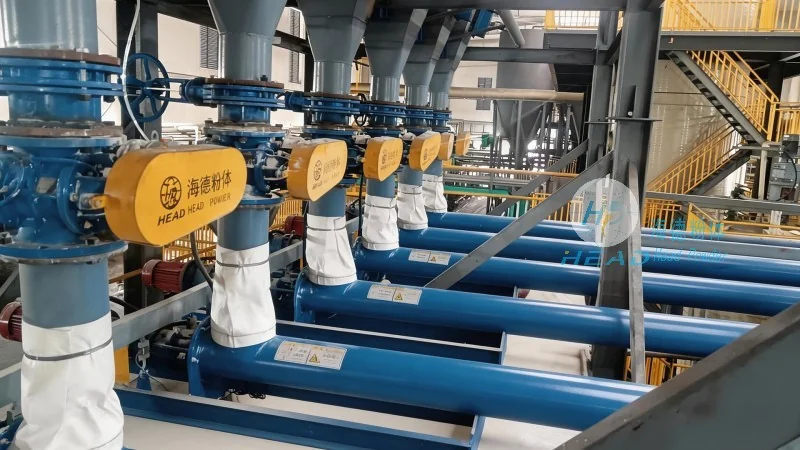
Shandong HeadPowder Engineering Co., Ltd. specializes in providing customized pneumatic conveying solutions tailored to the unique needs of NMC cathode material manufacturers. The company's expertise lies in designing and implementing both positive and negative pressure systems that meet stringent industry standards for product integrity and operational efficiency. For instance, a client in the electric vehicle battery sector required a high-capacity positive pressure system to transport NMC powders over a distance of 200 meters. HeadPowder's engineers designed a system with a high-efficiency blower and optimized pipeline layout to achieve a flow rate of 10 tons per hour while maintaining material quality. The system was equipped with inline filters and moisture sensors to ensure the NMC powder remained dry and free from contamination. Another client, a small-scale energy storage manufacturer, opted for a negative pressure system due to space constraints and noise concerns. HeadPowder's solution included a compact vacuum pump and a sealed conveying line, which reduced noise levels by 50% and minimized energy consumption. The system successfully handled fine NMC powders with low moisture content, ensuring consistent delivery to the mixing and coating stages. These case studies highlight HeadPowder's ability to adapt its pneumatic conveying systems to diverse production requirements, demonstrating the practical application of both positive and negative pressure modes in real-world scenarios.
Conclusion: Balancing Efficiency and Safety in NMC Cathode Material Handling
The choice between positive and negative pressure pneumatic conveying systems for NMC cathode materials is a critical decision that impacts production efficiency, product quality, and operational costs. Positive pressure systems offer high flow rates and versatility, making them suitable for large-scale operations, while negative pressure systems provide a cleaner, quieter alternative for sensitive materials. By understanding the material characteristics, operational requirements, and system limitations, manufacturers can select the most appropriate mode to optimize their production processes. Shandong HeadPowder Engineering Co., Ltd. remains committed to delivering innovative and reliable pneumatic conveying solutions that meet the evolving needs of the lithium-ion battery industry, ensuring the safe and efficient handling of NMC cathode materials for sustainable energy applications.