

Technical Analysis of Sodium Hydroxide Powder Pneumatic Conveying Systems: Comparison of Positive Pr
For industrial applications involving the handling of sodium hydroxide powder, selecting the appropriate pneumatic conveying system is crucial for efficiency, safety, and operational reliability. Pneumatic conveying systems transport bulk materials like sodium hydroxide using air or other gases as the conveying medium. Two primary modes are widely used: positive pressure and negative pressure systems. This analysis delves into the technical aspects of these modes, comparing their characteristics, advantages, and applications to help industries make informed decisions.
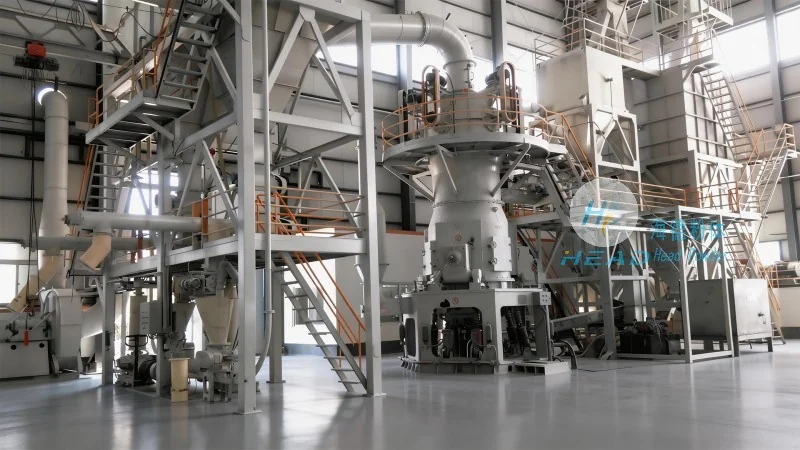
HeadPowder Engineering: A Leader in Pneumatic Conveying Solutions
Shandong HeadPowder Engineering Co., Ltd. (HeadPowder) is a specialized engineering firm based in Shandong, China, dedicated to providing high-quality pneumatic conveying systems for various industrial sectors. With years of experience in the field, HeadPowder focuses on delivering customized solutions that meet the unique requirements of clients handling sodium hydroxide and other bulk materials. The company’s expertise lies in designing, manufacturing, and implementing efficient and reliable conveying systems that ensure safe and effective material transport.
Understanding Positive Pressure Pneumatic Conveying
Positive pressure pneumatic conveying systems operate by blowing air or gas into the conveying line, creating a pressure higher than the ambient air pressure. This method is commonly used for transporting sodium hydroxide powder over long distances or through complex piping networks. The positive pressure system pushes the material through the pipeline, ensuring consistent flow and preventing material degradation. Key components of a positive pressure system include a blower, material feeder, conveying line, and receiver. The blower provides the necessary air pressure to move the powder, while the feeder controls the material flow rate. The conveying line is typically made of materials resistant to corrosion, such as stainless steel, to withstand the chemical properties of sodium hydroxide. The receiver collects the material at the destination point.
Advantages of positive pressure systems include their ability to handle long distances and complex layouts, as well as their suitability for abrasive or corrosive materials like sodium hydroxide. They also offer better control over the conveying process, allowing for precise regulation of material flow. However, these systems may require more maintenance due to the higher air pressure and potential for wear on components. Additionally, they can be more energy-intensive compared to negative pressure systems.
Understanding Negative Pressure Pneumatic Conveying
Negative pressure pneumatic conveying systems, also known as suction systems, operate by creating a vacuum in the conveying line, drawing material from the source into the line. This method is often used for short to medium distances and for materials that are less abrasive or require a gentler handling process. The negative pressure system pulls the material through the pipeline, using the vacuum to maintain flow. Key components of a negative pressure system include a vacuum pump, material feeder, conveying line, and receiver. The vacuum pump creates the low pressure needed to draw the powder, while the feeder controls the material feed. The conveying line is also typically made of corrosion-resistant materials, and the receiver collects the material at the end of the line.
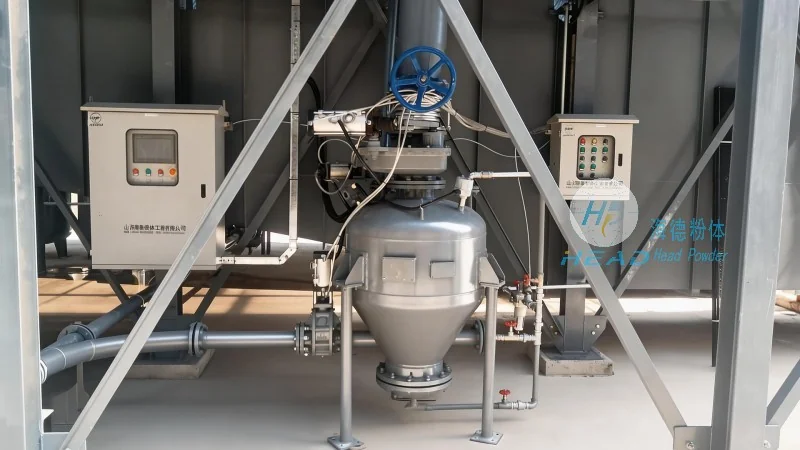
Advantages of negative pressure systems include lower energy consumption and reduced maintenance requirements compared to positive pressure systems. They are also less likely to cause dust emissions at the source, as the material is drawn into the line rather than being blown out. However, these systems are generally limited to shorter distances and may not be suitable for long-distance or complex piping networks. They also require careful design to prevent air leakage, which can affect the conveying efficiency.
Comparison of Positive and Negative Pressure Systems for Sodium Hydroxide Powder
When choosing between positive and negative pressure pneumatic conveying systems for sodium hydroxide powder, several factors must be considered. The primary considerations include the distance between the source and destination, the complexity of the piping network, the material properties (such as abrasiveness and moisture content), and the required flow rate. Positive pressure systems are typically preferred for long-distance or complex layouts due to their ability to handle higher pressures and maintain consistent flow. They are also more suitable for materials that are abrasive or corrosive, as the higher pressure helps to prevent material buildup and ensure smooth transport.
Negative pressure systems, on the other hand, are ideal for short to medium distances and for materials that require a gentler handling process. They are more energy-efficient and easier to maintain, making them a cost-effective option for certain applications. However, they may not be suitable for long-distance transport or for materials that are highly abrasive or corrosive, as the lower pressure may not be sufficient to move the material effectively.
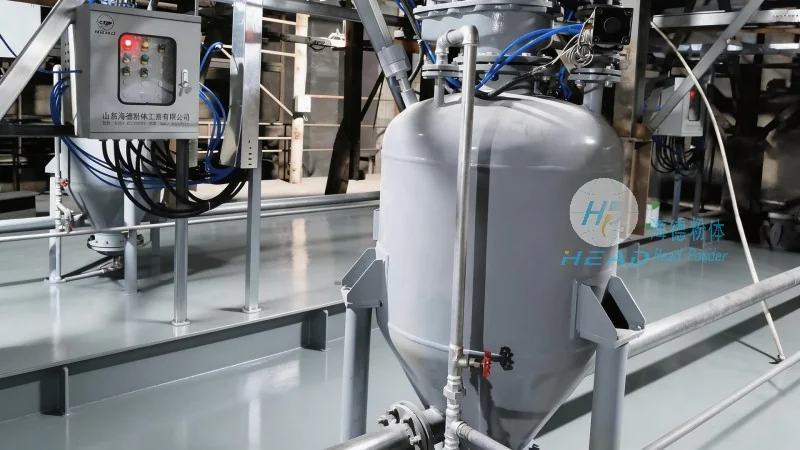
Another factor to consider is the environmental impact. Positive pressure systems may generate more dust emissions at the source, as the material is blown out of the feeder. Negative pressure systems, by contrast, draw material into the line, reducing dust at the source. This can be an important consideration for industries operating in areas with strict environmental regulations.
Key Considerations for Selecting the Right Pneumatic Conveying System
When selecting a pneumatic conveying system for sodium hydroxide powder, several technical and operational factors must be evaluated. First, the distance and layout of the conveying line must be assessed to determine whether a positive or negative pressure system is more suitable. Long distances and complex layouts typically favor positive pressure systems, while shorter distances and simpler layouts may work with negative pressure systems.
Second, the material properties of sodium hydroxide, such as its particle size, moisture content, and abrasiveness, play a critical role in system selection. Abrasive materials may require more robust components, such as wear-resistant pipes and valves, to prevent damage over time. Moisture content can affect the material’s flow characteristics, and systems must be designed to handle these variations to maintain consistent performance.
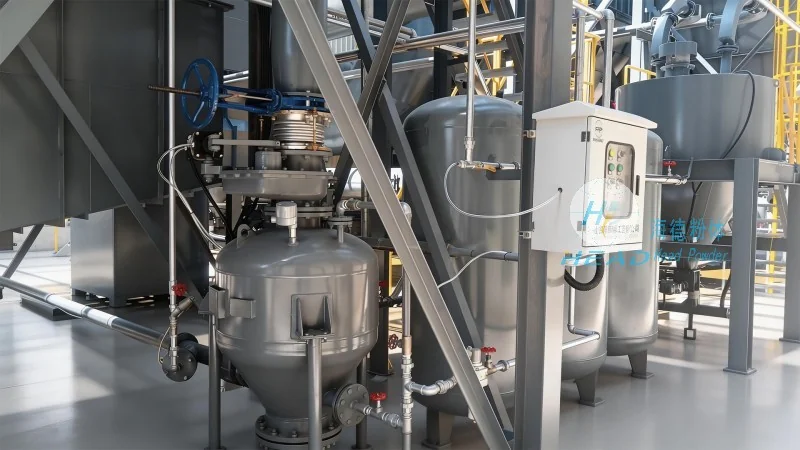
Third, the required flow rate and throughput must be considered. Positive pressure systems can handle higher flow rates and throughput compared to negative pressure systems, making them suitable for high-volume applications. However, negative pressure systems may be more appropriate for low to medium flow rates, where energy efficiency and lower maintenance are priorities.
Fourth, the environmental and safety requirements must be taken into account. Sodium hydroxide is a caustic material, and systems must be designed to prevent leaks and ensure safe handling. Positive pressure systems may require additional safety measures, such as explosion-proof components, to handle the potential for dust explosions. Negative pressure systems, while generally safer in terms of dust emissions, may still require proper ventilation and dust collection systems to comply with environmental regulations.
Conclusion: Making the Right Choice for Sodium Hydroxide Powder Conveying
Choosing the right pneumatic conveying system for sodium hydroxide powder is a critical decision that impacts operational efficiency, safety, and cost. Positive pressure systems offer advantages in terms of long-distance transport and handling of abrasive materials, while negative pressure systems provide benefits in energy efficiency and reduced dust emissions at the source. By carefully evaluating the specific requirements of the application, including distance, material properties, flow rate, and environmental regulations, industries can select the most suitable system for their needs.
Shandong HeadPowder Engineering Co., Ltd. (HeadPowder) provides expert guidance and customized solutions for pneumatic conveying systems, helping clients choose the right technology for their sodium hydroxide powder handling needs. With a focus on technical excellence and client satisfaction, HeadPowder ensures that its systems are designed to meet the highest standards of performance and reliability. Whether a positive or negative pressure system is selected, HeadPowder’s expertise ensures that the chosen solution is optimized for the specific requirements of the application, providing long-term benefits and operational efficiency.