

Technical Analysis of PTFE Pneumatic Conveying Systems: A Comparison of Positive and Negative Pressu
PTFE (polytetrafluoroethylene) pneumatic conveying systems are widely used in various industrial applications for the efficient transport of bulk materials. These systems utilize air or other gases to move particles through a pipeline, offering advantages such as dust-free operation, low maintenance, and the ability to handle a wide range of materials, including those that are abrasive, corrosive, or sensitive to moisture. The core of a PTFE pneumatic conveying system lies in its ability to maintain material integrity while ensuring safe and efficient transport. Two primary modes of operation dominate the industry: positive pressure conveying and negative pressure conveying. This article provides a technical analysis of these two modes, highlighting their characteristics, applications, and suitability for different material handling scenarios.
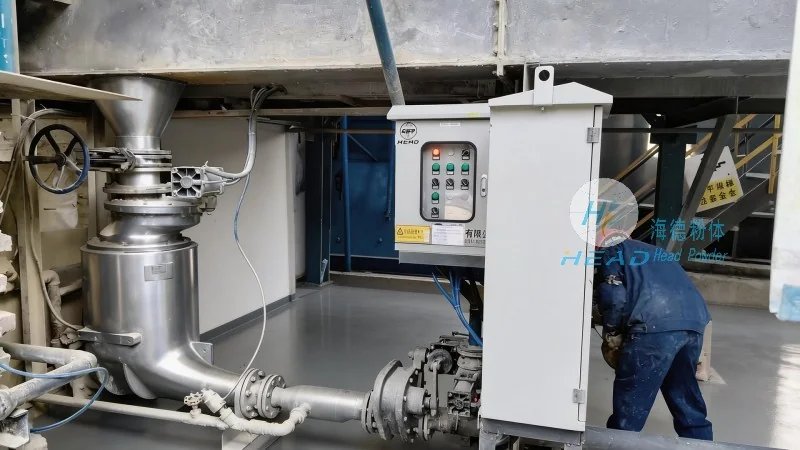
Understanding PTFE Pneumatic Conveying Systems
PTFE is renowned for its exceptional chemical resistance, thermal stability, and low friction properties, making it an ideal material for components in pneumatic conveying systems. The system typically consists of a hopper, a conveying line, a venturi or other air acceleration device, and a receiver. The choice of PTFE for these components is crucial as it prevents material degradation and ensures long-term system performance. The hopper is designed to feed material into the system, while the conveying line transports the material to the receiver. The venturi or air acceleration device creates the necessary pressure differential to move the material through the line. The receiver collects the conveyed material and may include a filter or separator to remove any entrained air or dust.
Positive Pressure Conveying Mode
Positive pressure conveying operates by introducing compressed air into the conveying line, creating a pressure higher than the ambient air pressure. The material is drawn into the line by the pressure differential and is carried forward by the air flow. This mode is particularly effective for conveying materials that are abrasive or have a high density, as the high pressure ensures that the material is fully suspended and transported efficiently. The system typically uses a positive displacement blower or a centrifugal fan to generate the required pressure. Positive pressure conveying is also suitable for long-distance transport and for materials that are sensitive to moisture or air exposure, as the system is sealed and prevents contamination. However, it may require more energy compared to negative pressure conveying, and the compressed air must be filtered to prevent contamination of the conveyed material.
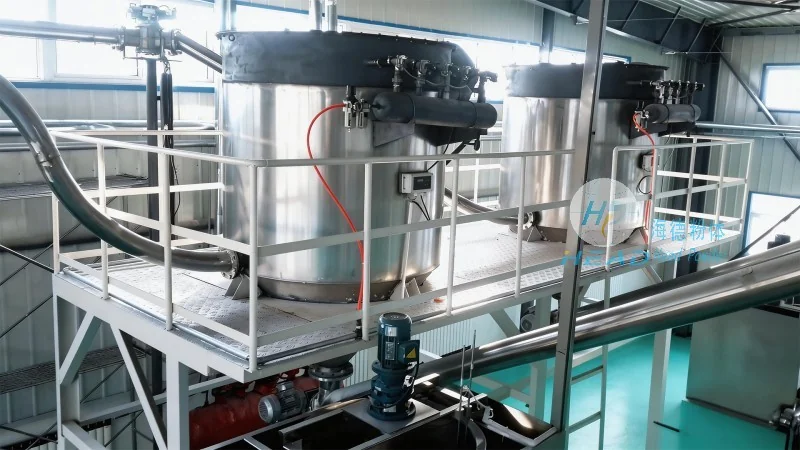
Negative Pressure Conveying Mode
Negative pressure conveying, also known as suction conveying, operates by creating a vacuum in the conveying line, which is lower than the ambient air pressure. The material is drawn into the line by the pressure differential and is carried forward by the air flow. This mode is ideal for applications where the material is to be collected from a source and transported to a destination, such as in dust collection or material recovery systems. Negative pressure conveying is generally more energy-efficient than positive pressure conveying, as it requires less power to create a vacuum compared to generating high pressure. It is also suitable for short to medium distance transport and for materials that are light or have low density. However, it may be less effective for abrasive or high-density materials, as the vacuum may not be sufficient to fully suspend the material. Additionally, the system must be designed to prevent backflow and ensure that the vacuum is maintained throughout the conveying process.
Comparison of Positive and Negative Pressure Conveying Modes
When selecting between positive and negative pressure conveying modes, several factors must be considered, including the material properties, the distance to be traveled, the required flow rate, and the energy efficiency. Positive pressure conveying is generally preferred for applications involving abrasive or high-density materials, long-distance transport, or materials sensitive to moisture. It provides better control over the material flow and ensures that the material is fully suspended, reducing the risk of blockages or material degradation. Negative pressure conveying, on the other hand, is more suitable for light materials, short to medium distance transport, or applications where energy efficiency is a priority. It is also ideal for collecting materials from multiple sources or for recovering materials from a process. The choice of mode also depends on the available space and the layout of the facility, as positive pressure systems require a dedicated air supply and may need additional space for the blower, while negative pressure systems may require a more complex vacuum system.
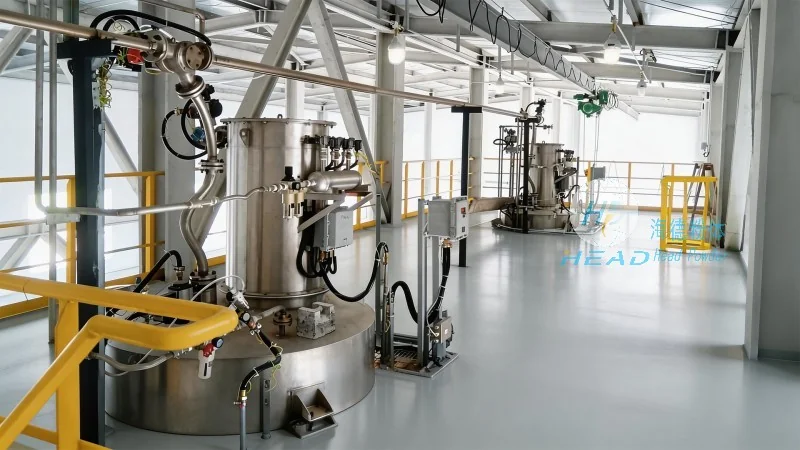
Applications and Industries
PTFE pneumatic conveying systems are used in a wide range of industries, including chemical, pharmaceutical, food and beverage, and mining. In the chemical industry, they are used to transport corrosive or abrasive materials, such as powders and granules, without degradation. In the pharmaceutical industry, they are used to handle sensitive materials, such as active pharmaceutical ingredients (APIs), ensuring that the material remains pure and free from contamination. In the food and beverage industry, they are used to transport food-grade powders and granules, maintaining hygiene and preventing cross-contamination. In the mining industry, they are used to transport minerals and ores from processing plants to storage facilities. The versatility of PTFE makes it suitable for these diverse applications, as it can withstand the harsh conditions and maintain the quality of the conveyed materials.
Conclusion
PTFE pneumatic conveying systems offer an efficient and reliable method for transporting bulk materials in various industrial applications. The choice between positive and negative pressure conveying modes depends on the specific requirements of the application, including material properties, distance, and energy efficiency. Positive pressure conveying is generally more suitable for abrasive or high-density materials and long-distance transport, while negative pressure conveying is more energy-efficient and suitable for light materials and short to medium distance transport. The use of PTFE in the system components ensures long-term performance and material integrity. As the demand for efficient material handling increases, PTFE pneumatic conveying systems will continue to play a crucial role in various industries. Shandong HeadPowder Engineering Co., Ltd., based in China, specializes in the design, manufacturing, and installation of PTFE pneumatic conveying systems, providing customized solutions to meet the diverse needs of its clients.