

Choosing Between Positive Pressure and Negative Pressure for Nickel Powder Pneumatic Conveying: How
When it comes to the pneumatic conveying of nickel powder, selecting the right system is crucial for efficiency, safety, and cost-effectiveness. The two primary methods are positive pressure conveying and negative pressure conveying. Understanding the differences between these two approaches is essential for making an informed decision. This article will explore the key factors that influence the choice between positive and negative pressure systems for nickel powder handling.
Understanding Pneumatic Conveying Basics
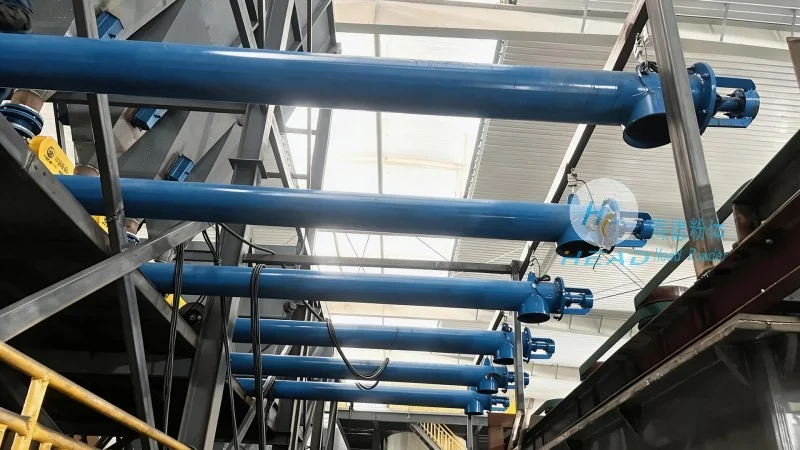
Pneumatic conveying is a method of transporting bulk materials like nickel powder through a pipeline using air or gas as the conveying medium. The system can be categorized into two main types based on the pressure differential within the pipeline: positive pressure and negative pressure. Both systems have their own advantages and limitations, which must be considered in the context of nickel powder characteristics and application requirements.
Key Characteristics of Nickel Powder
Nickel powder, often used in industries such as aerospace, electronics, and battery manufacturing, has specific properties that affect its handling. Nickel powder can be fine and abrasive, with particle sizes ranging from sub-micron to several microns. It may also have a tendency to agglomerate or create dust, which impacts the choice of conveying system. The material's density, flowability, and potential for reactivity under pressure or vacuum conditions are all critical factors to consider.
Positive Pressure Pneumatic Conveying
Positive pressure conveying operates by blowing air or gas into the conveying line, creating a pressure higher than the ambient air pressure. This method is commonly used for transporting materials over longer distances or through complex piping networks. In the case of nickel powder, positive pressure systems can effectively handle abrasive and fine powders, as the high-pressure air helps to maintain the material's flowability and prevent blockages. The system typically includes a blower or compressor at the inlet, which provides the necessary pressure to move the powder through the pipeline.
One of the main advantages of positive pressure conveying is its ability to handle high volumes of material efficiently. It is also suitable for applications where the material needs to be delivered to multiple destinations from a single source. However, positive pressure systems may require more robust equipment and higher energy consumption compared to negative pressure systems. Additionally, they may generate more noise and require proper ventilation to manage the air discharge.
Negative Pressure Pneumatic Conveying
Negative pressure conveying, also known as suction conveying, operates by creating a vacuum in the conveying line, which draws the material into the pipeline. This method is often used for shorter distances or when the material needs to be collected from various points and transported to a central location. For nickel powder, negative pressure systems can be effective for handling materials that are less abrasive or when the application requires a more gentle handling approach.
A key advantage of negative pressure conveying is its lower energy consumption and reduced noise levels compared to positive pressure systems. It is also suitable for applications where the material is to be collected from a dusty or hazardous environment, as the system draws the material into the pipeline rather than blowing it out. However, negative pressure systems have limitations in terms of conveying distance and material handling capacity. They may not be suitable for very fine or abrasive powders, as the vacuum can cause the material to stick to the pipeline walls or create blockages.
Factors to Consider When Choosing Between Systems
When deciding between positive and negative pressure pneumatic conveying for nickel powder, several factors must be evaluated. The first consideration is the distance and layout of the conveying system. Longer distances or complex piping networks may favor positive pressure systems due to their higher pressure capabilities. Conversely, shorter distances or applications requiring material collection from multiple points may benefit from negative pressure systems.
The material characteristics of the nickel powder are another critical factor. Fine, abrasive, or cohesive powders may require positive pressure systems to maintain flowability and prevent blockages. In contrast, less abrasive or less cohesive powders may be suitable for negative pressure systems. The material's density and flowability also play a role, as higher density materials may require more pressure to move through the pipeline.
Energy consumption and operational costs are important considerations for any industrial application. Positive pressure systems typically consume more energy due to the need for high-pressure air or gas, while negative pressure systems are more energy-efficient. However, the overall cost-effectiveness depends on the specific application and the volume of material being conveyed.
System reliability and maintenance requirements are also key factors. Positive pressure systems may require more maintenance due to the higher wear and tear on equipment, while negative pressure systems may have lower maintenance needs but could be more prone to blockages if the material is not properly handled.
Conclusion
Choosing between positive and negative pressure pneumatic conveying for nickel powder depends on a variety of factors, including the distance of the conveying system, the characteristics of the nickel powder, and the operational requirements of the application. Positive pressure systems offer higher conveying capacity and are suitable for longer distances and abrasive materials, while negative pressure systems are more energy-efficient and gentle, making them suitable for shorter distances and less abrasive powders.
Shandong HeadPowder Engineering Co., Ltd., a leading provider of pneumatic conveying solutions, understands the importance of selecting the right system for nickel powder handling. With years of experience in the industry, the company offers customized solutions tailored to the specific needs of each client. Whether you are considering positive or negative pressure conveying, the experts at HeadPowder can provide the guidance and equipment necessary to ensure efficient and safe nickel powder transportation.