

Choosing Between Positive Pressure and Negative Pressure for Dry Sand Pneumatic Conveying: How to Di
When it comes to handling dry sand through pneumatic conveying systems, selecting the right type of system is crucial for efficiency, cost-effectiveness, and operational safety. Two primary methods are widely used: positive pressure and negative pressure systems. Understanding the differences between these approaches is essential for making an informed decision that aligns with specific operational requirements. This article will explore the key characteristics of both positive and negative pressure pneumatic conveying for dry sand, highlighting the factors that influence the choice between them.
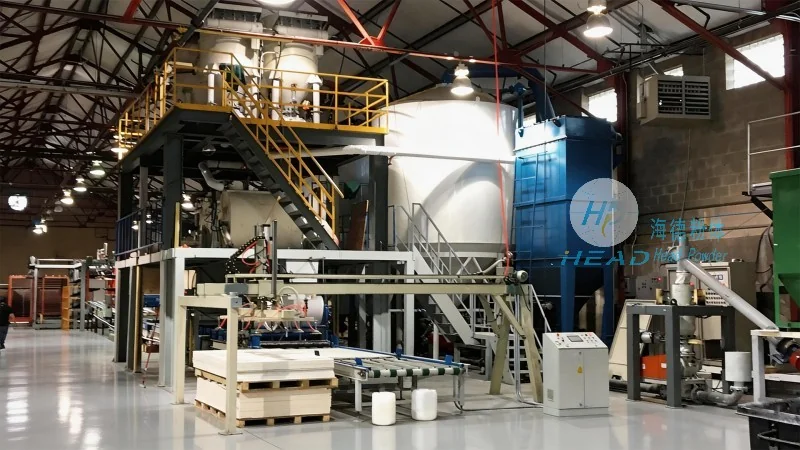
Understanding Pneumatic Conveying Systems for Dry Sand
Pneumatic conveying is a method of transporting dry materials, such as sand, using air or gas as the conveying medium. It offers advantages over traditional mechanical conveying, including reduced equipment wear, lower maintenance costs, and the ability to handle materials in a dust-free environment. For dry sand applications, the choice between positive and negative pressure systems depends on factors like material properties, system layout, and operational goals.
Differentiating Positive Pressure and Negative Pressure Conveying
Positive pressure systems operate by blowing air or gas into the conveying line, creating a pressure higher than the ambient air pressure. This method pushes the material forward through the pipeline. In contrast, negative pressure systems create a vacuum in the conveying line, drawing material into the system from the source. The fundamental difference lies in the direction of air flow and the pressure differential used to move the material.
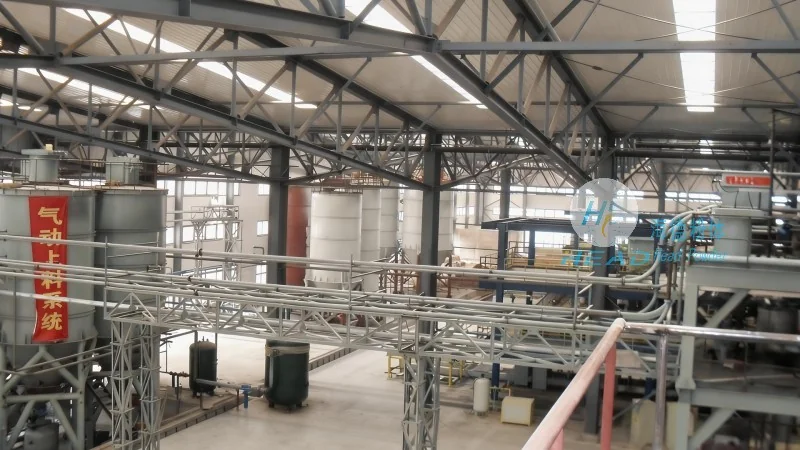
Key Characteristics of Positive Pressure Conveying
Positive pressure systems are often preferred for applications requiring high material throughput and long-distance transport. They are particularly effective for abrasive materials like dry sand, as the high-pressure air can maintain consistent flow rates even with challenging material properties. The system typically includes a blower or compressor at the discharge end, which generates the necessary pressure to move the material. This setup is straightforward and allows for easy integration with existing infrastructure. However, positive pressure systems may generate more noise and require more robust equipment to handle the higher air pressure, potentially increasing initial investment costs.
Key Characteristics of Negative Pressure Conveying
Negative pressure systems are commonly used for shorter transport distances and when the material is less abrasive or less prone to clogging. The vacuum created in the line draws material from the source, making it suitable for applications where the material is generated at a single point and needs to be transported to a central collection point. This method is generally quieter and may require less powerful equipment compared to positive pressure systems. However, negative pressure systems can be more susceptible to material buildup in the line, especially with dry sand, which may lead to reduced efficiency over time if not properly maintained.
Factors Influencing the Choice Between Positive and Negative Pressure
The decision between positive and negative pressure pneumatic conveying for dry sand is influenced by several key factors. First, the distance and layout of the conveying system play a significant role. Longer distances typically favor positive pressure due to its ability to maintain pressure over extended lengths. Second, the material's properties, such as particle size, moisture content, and abrasiveness, impact the choice. More abrasive materials like dry sand may benefit from the higher air velocity and pressure of positive pressure systems. Third, operational considerations, including noise levels and maintenance requirements, should be evaluated. Positive pressure systems may be more suitable for industrial environments where noise is a concern, while negative pressure systems are often preferred in applications where quiet operation is less critical.
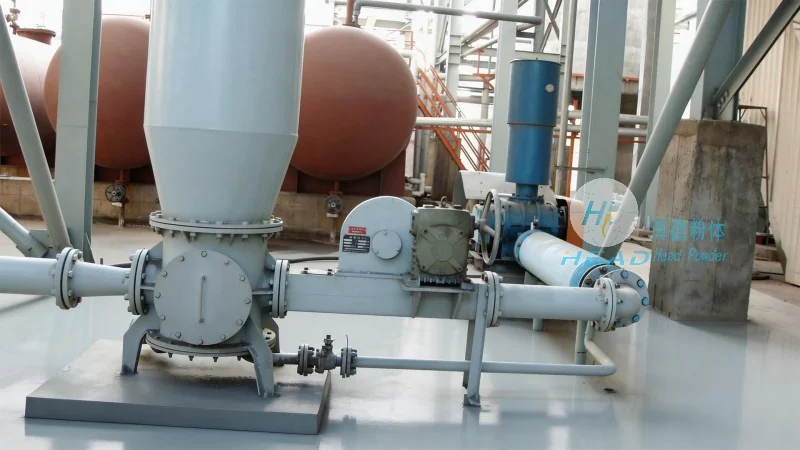
Practical Considerations and Recommendations
When selecting a pneumatic conveying system for dry sand, it is essential to consider the specific operational context. For instance, if the system involves transporting dry sand over a long distance with high throughput, a positive pressure system may be the optimal choice due to its efficiency and ability to handle abrasive materials. Conversely, for shorter transport distances or applications where the material is less abrasive and noise is a priority, a negative pressure system could be more appropriate. Additionally, the initial investment and long-term maintenance costs should be weighed against the expected performance and reliability of each system.
Conclusion
Choosing between positive pressure and negative pressure pneumatic conveying for dry sand requires a thorough evaluation of operational requirements, material characteristics, and system constraints. By understanding the fundamental differences in how each system operates and the factors that influence their performance, stakeholders can make an informed decision that maximizes efficiency and minimizes operational challenges. Whether opting for positive or negative pressure, the goal is to select a system that effectively handles dry sand while meeting the specific needs of the application.