

Choosing Between Positive Pressure and Negative Pressure for Sugar Pneumatic Conveying: How to Diffe
When it comes to the pneumatic conveying of sugar, selecting the right system is crucial for efficiency, cost-effectiveness, and operational safety. Two primary methods dominate the industry: positive pressure and negative pressure systems. Understanding the distinctions between these approaches is essential for making an informed decision. This article explores the key factors that influence the choice between positive and negative pressure for sugar handling, providing insights into how to differentiate and select the most suitable system for your application.
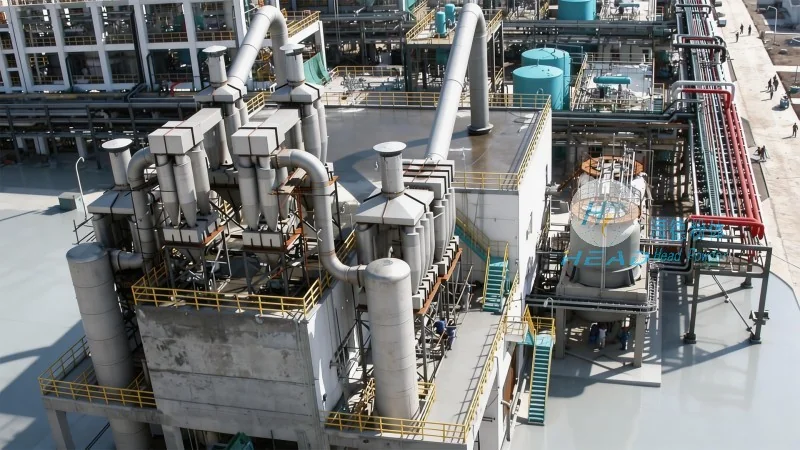
Introduction to Pneumatic Conveying Systems
Pneumatic conveying is a method of transporting bulk materials, such as sugar, through a pipeline using air or gas as the conveying medium. This technology offers advantages over traditional mechanical conveying, including reduced wear and tear on equipment, lower maintenance costs, and the ability to handle materials in a dust-free environment. The choice between positive and negative pressure systems depends on several factors, including the material characteristics, distance of transport, and the desired level of control over the conveying process.
Positive Pressure Pneumatic Conveying
Positive pressure systems operate by blowing air or gas into the conveying line, creating a pressure higher than the ambient air pressure. This method is particularly effective for transporting sugar over longer distances or when the material needs to be delivered to multiple points. The high pressure ensures that the material is propelled through the pipeline with minimal resistance, making it suitable for applications where the material is abrasive or has a high moisture content. A key advantage of positive pressure systems is their ability to handle materials with a wide range of particle sizes and shapes, as the high pressure helps to break up any agglomerates and maintain a consistent flow.
For sugar applications, positive pressure systems are often preferred when the conveying distance exceeds 100 meters or when the material needs to be transported to several destinations. The system typically includes a blower, a hopper, and a series of pipelines with control valves. The blower generates the necessary pressure, and the hopper feeds the sugar into the pipeline. The control valves allow for the regulation of the flow rate and direction, ensuring that the material is delivered to the correct location. A common type of positive pressure system used for sugar is the dilute phase system, which uses a low concentration of material in the air stream, resulting in a higher conveying velocity and lower pressure drop.
Negative Pressure Pneumatic Conveying
Negative pressure systems, also known as vacuum systems, operate by creating a vacuum in the conveying line, which draws the material from the source into the pipeline. This method is ideal for short-distance conveying or when the material needs to be collected from multiple points and transported to a central location. The vacuum is created by a vacuum pump, which pulls air and material from the source into the pipeline. The material is then transported to the destination, where the vacuum is released and the material is discharged.
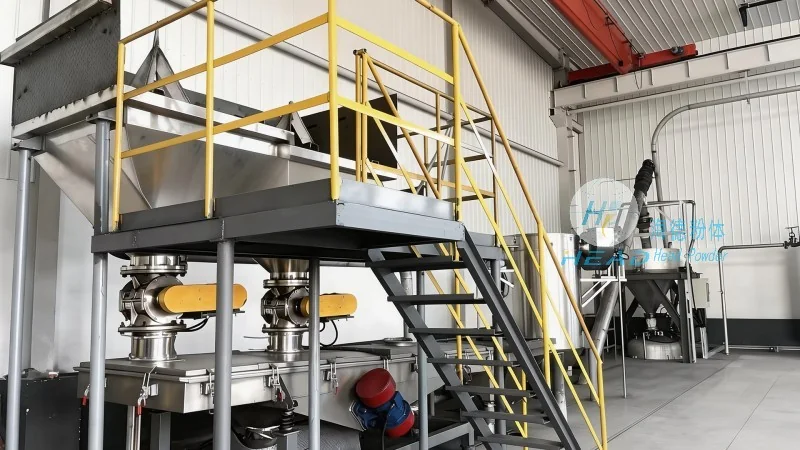
For sugar handling, negative pressure systems are often used when the conveying distance is less than 50 meters or when the material needs to be collected from several sources. The system typically includes a vacuum pump, a hopper, and a series of pipelines with collection points. The vacuum pump creates the necessary suction, and the hopper feeds the sugar into the pipeline. The collection points allow for the material to be drawn from different locations, and the vacuum ensures that the material is transported to the central destination. A common type of negative pressure system used for sugar is the dense phase system, which uses a higher concentration of material in the air stream, resulting in a lower conveying velocity and higher pressure drop.
Distinguishing Between Positive and Negative Pressure Systems
There are several key factors to consider when differentiating between positive and negative pressure systems for sugar pneumatic conveying. The first factor is the conveying distance. Positive pressure systems are generally more suitable for longer distances, as they can maintain a higher pressure and overcome greater resistance. Negative pressure systems are better suited for shorter distances, as the vacuum is more effective over shorter distances.
The second factor is the material characteristics. Positive pressure systems are better for handling abrasive or high-moisture materials, as the high pressure helps to break up agglomerates and maintain a consistent flow. Negative pressure systems are better for handling materials with a lower moisture content and smaller particle sizes, as the vacuum is more effective at drawing these materials into the pipeline.
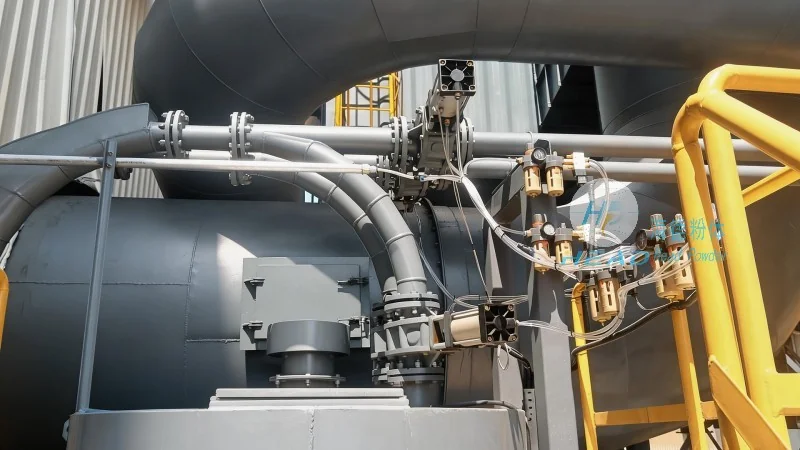
The third factor is the number of collection points. Positive pressure systems are better for applications with multiple delivery points, as the pressure can be regulated to deliver the material to each point. Negative pressure systems are better for applications with multiple collection points, as the vacuum can be used to draw the material from each source into the pipeline.
Another important factor is the cost. Positive pressure systems are generally more expensive than negative pressure systems, as they require a blower and more robust equipment. Negative pressure systems are less expensive, as they only require a vacuum pump and simpler equipment. However, the cost of the system should be weighed against the operational costs, such as maintenance and energy consumption.
Conclusion
Choosing between positive and negative pressure for sugar pneumatic conveying depends on several factors, including the conveying distance, material characteristics, number of collection points, and cost. Positive pressure systems are generally more suitable for longer distances and handling abrasive or high-moisture materials, while negative pressure systems are better for shorter distances and handling materials with a lower moisture content. By considering these factors, you can select the most suitable system for your application and ensure efficient and safe sugar handling.
Shandong HeadPowder Engineering Co., Ltd., a leading provider of pneumatic conveying solutions, offers a range of systems tailored to the specific needs of sugar handling. With years of experience in the industry, HeadPowder provides expert guidance and customized solutions to help clients make informed decisions about their conveying systems. Whether you need a positive pressure or negative pressure system, HeadPowder can provide the right solution to meet your requirements.