

Bean Pneumatic Conveying: Choosing Between Positive and Negative Pressure Systems - How to Distingui
When it comes to handling and transporting beans, selecting the right pneumatic conveying system is crucial for efficiency and cost-effectiveness. Shandong HeadPowder Engineering Co., Ltd., a leading provider of bulk material handling solutions, understands the importance of choosing the appropriate system for your bean processing facility. Two primary types of systems dominate the industry: positive pressure and negative pressure. Understanding the differences between these two approaches is essential for making an informed decision that aligns with your operational needs. This article will explore the key distinctions, working principles, and practical considerations to help you choose the most suitable pneumatic conveying solution for your bean processing operation.
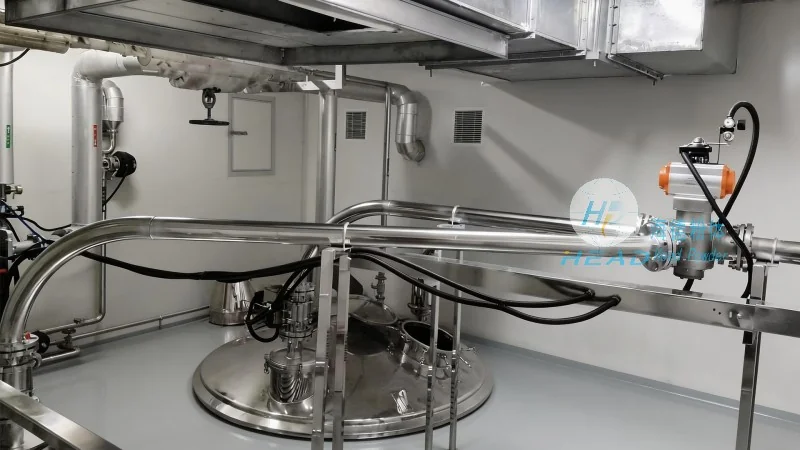
Understanding Pneumatic Conveying Basics
Pneumatic conveying uses air to transport bulk materials like beans through a pipeline. The system relies on the movement of air to move the material from one point to another. The main difference between positive and negative pressure systems lies in how the air pressure is managed within the pipeline.
Positive Pressure Pneumatic Conveying
Positive pressure systems operate by blowing air into the conveying line, creating a pressure higher than the ambient air. The material is carried by the high-pressure air stream, which propels it through the pipeline. This method is often referred to as "blow" or "pressure" conveying.
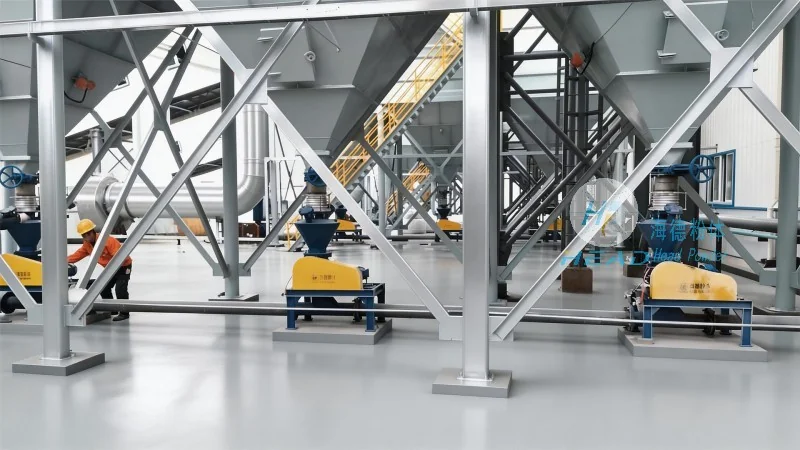
Key characteristics of positive pressure systems include:
- Higher air velocity and pressure, which can handle longer distances and more complex system layouts.
- Effective for transporting abrasive or sticky materials, as the high pressure helps to prevent material buildup.
- Typically more expensive to install and operate due to the higher energy requirements.
Negative Pressure Pneumatic Conveying
Negative pressure systems, also known as "suction" or "vacuum" conveying, operate by creating a vacuum in the pipeline. The lower pressure inside the line draws the material and air into the system from the source. This method is ideal for applications where the material needs to be drawn from a source, such as a hopper or silo.
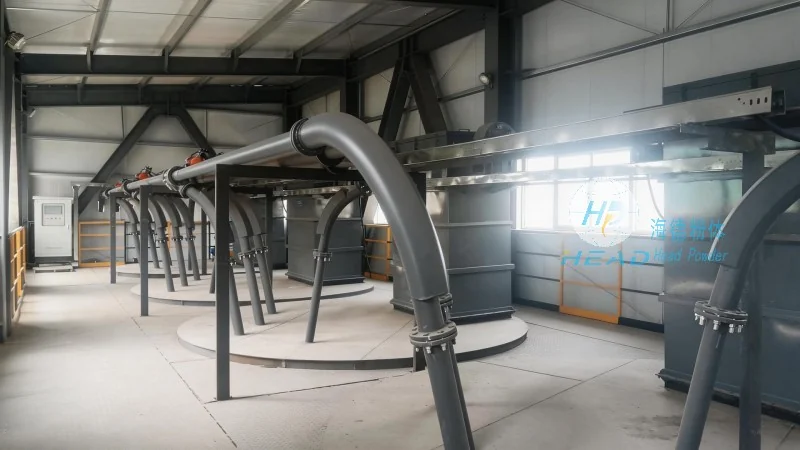
Key characteristics of negative pressure systems include:
- Lower energy consumption compared to positive pressure systems, making them more cost-effective for shorter distances.
- Less suitable for abrasive or dusty materials, as the vacuum can cause material to accumulate on the pipeline walls.
- More prone to clogging and system downtime if the material is too fine or sticky.
How to Distinguish Between the Two Systems
Distinguishing between positive and negative pressure systems can be done by observing the pressure readings and the direction of air flow. Here are some practical indicators:

- Pressure Gauge Readings: Positive pressure systems will show higher pressure than the ambient air (e.g., 1-2 bar above atmospheric), while negative pressure systems will show lower pressure (e.g., -0.5 to -1 bar below atmospheric).
- System Layout: Positive pressure systems typically have the air inlet at the discharge end and the material inlet at the source end. Negative pressure systems have the air inlet at the source end and the material outlet at the discharge end.
- Material Handling: Positive pressure is better for transporting materials over long distances or through multiple turns, while negative pressure is more suitable for short-distance, low-volume transport from a single source.
Factors to Consider When Choosing a System
When deciding between positive and negative pressure pneumatic conveying for bean processing, several factors should be considered:
- Transport Distance: Longer distances favor positive pressure systems due to their ability to maintain pressure over extended pipelines.
- Material Properties: The size, shape, and stickiness of the beans will influence the choice. For example, abrasive beans may require the higher pressure of positive systems to prevent clogging.
- System Complexity: If the facility has multiple sources or complex layouts, positive pressure systems offer more flexibility in design.
- Energy Costs: For facilities with high energy costs, negative pressure systems may be more economical, especially for short transport distances.
Conclusion
Choosing between positive and negative pressure pneumatic conveying for bean processing requires a careful evaluation of operational needs, material characteristics, and cost considerations. Positive pressure systems offer superior performance for long-distance and complex applications, while negative pressure systems provide cost-effective solutions for shorter distances and simpler setups. By understanding the differences in working principles, advantages, and limitations, you can select the most efficient and reliable system for your bean handling operations.