

Choosing Between Positive Pressure and Negative Pressure for Carbon Black Pneumatic Conveying: How t
When it comes to transporting carbon black via pneumatic systems, selecting the right pressure type—positive or negative—is crucial for efficiency, cost-effectiveness, and operational safety. The choice between these two methods depends on several factors, including the material properties of carbon black, the distance of transport, and the system's overall design. Understanding the differences and key characteristics of each approach is essential for making an informed decision.
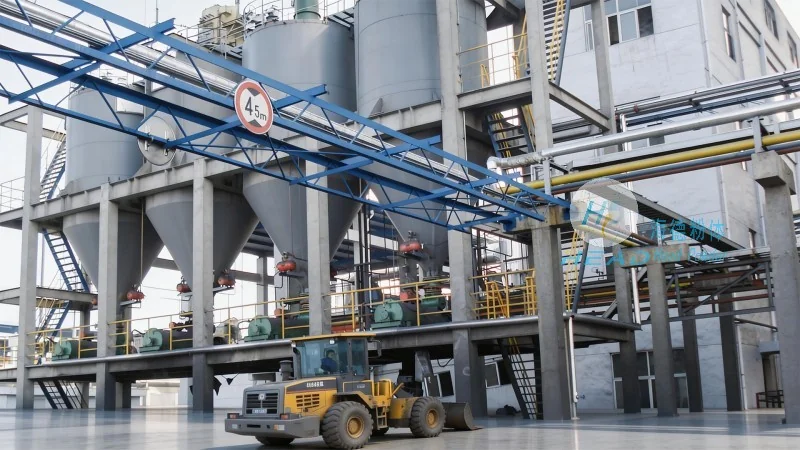
Shandong HeadPowder Engineering Co., Ltd., a leading provider in the field, specializes in designing and implementing advanced pneumatic conveying solutions tailored to the unique needs of carbon black handling. With a focus on optimizing material flow and ensuring reliable performance, their expertise helps clients navigate the complexities of selecting the most suitable pressure system.
Understanding Positive Pressure Pneumatic Conveying
Positive pressure systems operate by generating air pressure within the conveying line, pushing the carbon black material forward. This method is often preferred for long-distance or high-volume transport, as it can maintain consistent flow rates and handle a wide range of particle sizes. The primary advantage of positive pressure is its ability to handle abrasive materials like carbon black without causing excessive wear on the system components. Additionally, positive pressure systems are generally more straightforward to install and maintain, making them a popular choice for industrial applications.
Key Characteristics of Positive Pressure Systems
Positive pressure systems typically use a blower or compressor to generate the necessary air pressure. The air is introduced at the inlet of the conveying line, creating a positive pressure environment that propels the material. This approach is effective for both dilute and dense phase conveying, depending on the system design. The pressure is maintained throughout the entire line, ensuring that the material remains in suspension and flows smoothly to the destination. For carbon black, which can be fine and potentially abrasive, positive pressure helps prevent clogging and ensures consistent delivery to processing units.
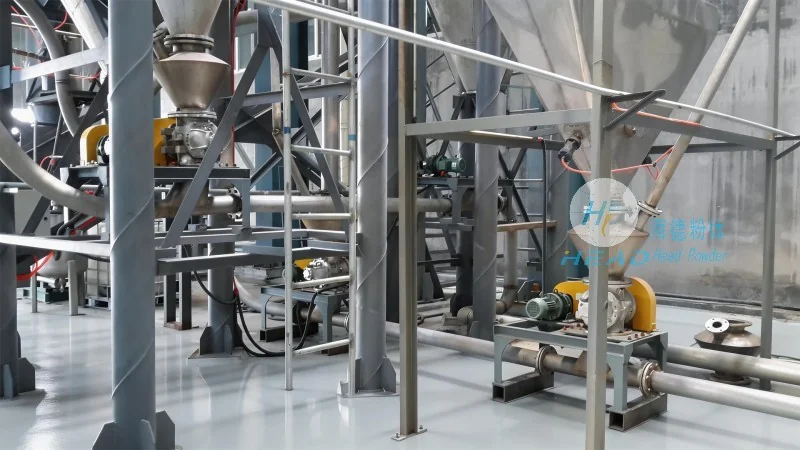
Understanding Negative Pressure Pneumatic Conveying
Negative pressure systems, also known as vacuum systems, operate by creating a lower pressure environment within the conveying line, drawing the carbon black material into the system. This method is often used for shorter distances or when the material needs to be collected from multiple points. The primary advantage of negative pressure is its ability to handle fine powders without generating excessive dust or requiring extensive filtration. Negative pressure systems are also quieter and can be more energy-efficient for short-distance transport, as they do not require high-pressure blowers.
Key Characteristics of Negative Pressure Systems
Negative pressure systems rely on vacuum pumps to create the necessary suction. The air is drawn from the conveying line, creating a negative pressure that pulls the material in. This approach is particularly effective for handling materials that are prone to dust or require gentle handling. The system is often designed with multiple inlets to collect material from various sources, making it suitable for applications where carbon black is produced or collected at different locations. However, negative pressure systems may be less efficient for long-distance transport, as the suction power diminishes over distance, potentially leading to reduced flow rates.
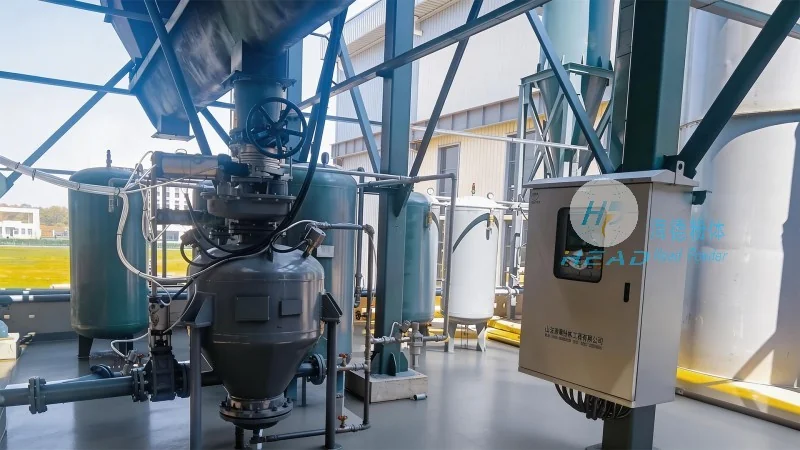
Distinguishing Factors for Carbon Black Pneumatic Conveying
When deciding between positive and negative pressure for carbon black transport, several factors must be considered. The first is the distance of the transport. Positive pressure is generally more suitable for long distances, as it maintains pressure throughout the line, while negative pressure is better for short distances due to its reliance on suction. The second factor is the material's properties. Carbon black is often fine and abrasive, which makes positive pressure advantageous for preventing clogging and maintaining flow. However, if the material is sensitive to pressure or requires gentle handling, negative pressure may be preferred.
The third factor is the system's design and cost. Positive pressure systems typically require more robust components, such as high-pressure blowers and stronger pipelines, which can increase initial investment and maintenance costs. Negative pressure systems, on the other hand, use vacuum pumps and may have lower upfront costs but could incur higher energy expenses over time. Shandong HeadPowder Engineering Co., Ltd. offers comprehensive solutions that take these factors into account, providing customized designs that balance performance, cost, and operational needs.
Conclusion
Choosing between positive and negative pressure for carbon black pneumatic conveying requires a careful evaluation of the specific application requirements. Positive pressure systems excel in long-distance, high-volume transport with abrasive materials, while negative pressure systems are ideal for short distances and sensitive powders. By understanding the key characteristics and distinguishing factors of each method, businesses can select the most efficient and reliable system for their carbon black handling needs. Shandong HeadPowder Engineering Co., Ltd. remains committed to delivering innovative and tailored solutions that enhance operational efficiency and ensure the safe and effective transport of carbon black.