

Choosing Between Positive Pressure and Negative Pressure for Garbage Pneumatic Conveying: How to Dis
When it comes to handling and transporting waste materials, the choice of pneumatic conveying system is critical. For garbage processing facilities, selecting the right type of pneumatic conveying—whether positive pressure or negative pressure—can significantly impact operational efficiency, cost-effectiveness, and environmental compliance. This article aims to clarify the differences between positive pressure and negative pressure pneumatic conveying systems, helping you make an informed decision for your garbage handling operations.
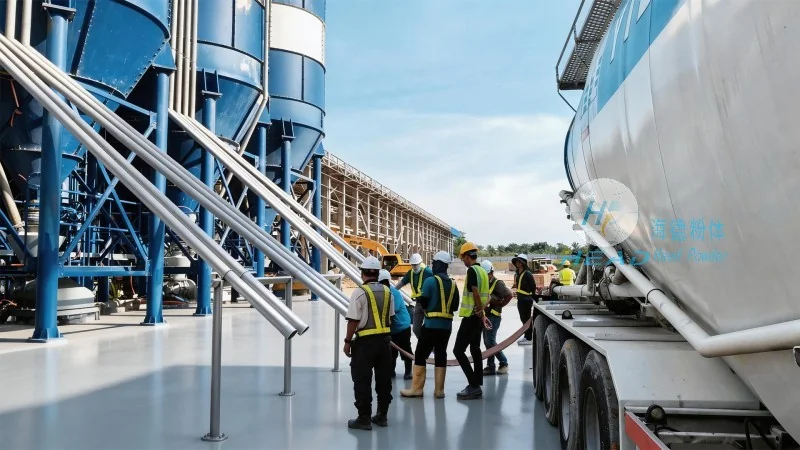
Understanding Pneumatic Conveying Systems
Pneumatic conveying is a method of transporting bulk materials, including waste, through a pipeline using air or gas as the conveying medium. It offers advantages such as dust control, reduced labor costs, and the ability to transport materials over long distances without the need for complex machinery. However, the two primary types—positive pressure and negative pressure—differ in how they generate the air flow and handle material transport.
Positive Pressure Pneumatic Conveying
Positive pressure systems operate by blowing air or gas into the pipeline, creating a pressure higher than the ambient air pressure. The material is drawn into the system by the high-pressure air, which then propels it through the pipeline to the destination. This method is often used for short to medium distances and is suitable for transporting materials that are dry, free-flowing, and non-abrasive. The high pressure in the system helps maintain the flow of material and ensures that the pipeline remains full, reducing the risk of blockages.
For garbage processing, positive pressure systems are commonly used in applications where the waste is relatively dry and can be easily entrained by the air flow. They are particularly effective for transporting materials like dry municipal solid waste (MSW) or composted organic waste. The system's design typically includes a blower or compressor at the inlet, which generates the necessary pressure to move the material. The positive pressure also helps in maintaining the integrity of the pipeline, as the air pressure prevents external contaminants from entering the system.
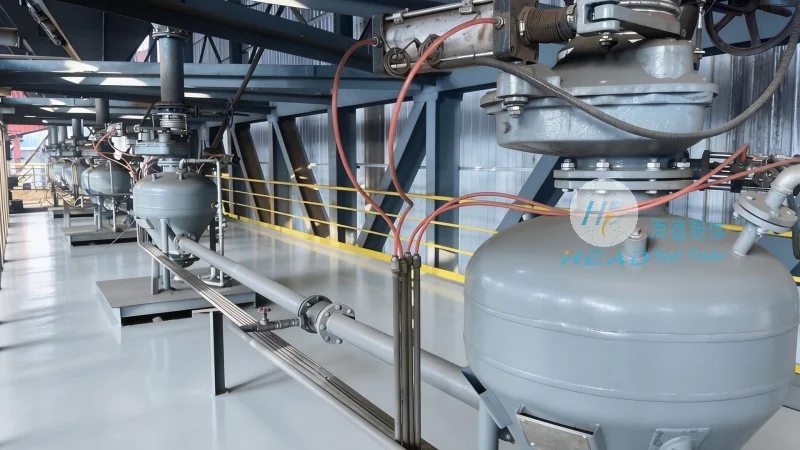
Negative Pressure Pneumatic Conveying
Negative pressure systems, on the other hand, create a vacuum or low-pressure environment in the pipeline, drawing material into the system from the source. The material is then carried by the air flow to the collection point. This method is ideal for long-distance transport and is commonly used for materials that are dusty or have a tendency to create dust, as the vacuum helps contain particles within the system. Negative pressure systems are often preferred for applications involving wet or sticky waste, as the low pressure reduces the risk of material buildup and blockages.
In garbage handling, negative pressure systems are frequently employed for transporting wet or contaminated waste, such as sewage sludge or food waste. The vacuum created by the system ensures that the material is drawn in without the need for high pressure, which can be beneficial for sensitive or delicate waste. The system's design includes a vacuum pump or fan at the inlet, which pulls air and material through the pipeline. The negative pressure also helps in maintaining a clean environment by preventing dust from escaping into the surrounding area.
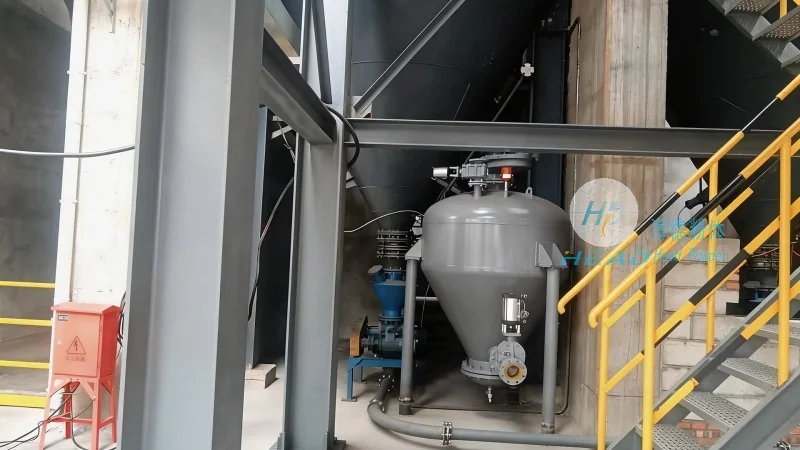
Distinguishing Between Positive and Negative Pressure Systems
Differentiating between positive and negative pressure pneumatic conveying systems involves considering several key factors, including the nature of the waste material, the distance to be covered, and the desired level of dust control. Here are the main criteria to help you decide:
- Material Characteristics: Positive pressure is better suited for dry, free-flowing materials that are easy to entrain. Negative pressure is more effective for wet, sticky, or dusty materials that require containment.
- Transport Distance: Positive pressure systems are generally limited to shorter distances (typically up to 100 meters) due to the pressure drop in the pipeline. Negative pressure systems can handle longer distances (up to several hundred meters) as the vacuum helps maintain the flow.
- Dust Control: Positive pressure systems may require additional dust collection equipment at the outlet to prevent emissions. Negative pressure systems inherently contain dust within the pipeline, reducing the need for external filtration.
- Energy Consumption: Positive pressure systems typically consume more energy due to the high-pressure air requirements. Negative pressure systems are more energy-efficient, especially for long-distance transport.
Application in Garbage Processing
For garbage processing facilities, the choice between positive and negative pressure systems depends on the specific waste streams and processing requirements. For example, a facility handling dry municipal solid waste might opt for a positive pressure system due to the material's properties and the relatively short transport distances. Conversely, a facility processing wet sewage sludge would likely choose a negative pressure system to handle the sticky and dusty nature of the waste and to minimize environmental impact.
Shandong HeadPowder Engineering Co., Ltd., a leading provider of pneumatic conveying solutions, specializes in designing and manufacturing customized systems tailored to the needs of garbage handling operations. With years of experience in the industry, the company understands the unique challenges of waste processing and offers solutions that enhance efficiency and sustainability. Whether you need a positive pressure system for dry waste or a negative pressure system for wet waste, HeadPowder provides reliable equipment and expert guidance to ensure optimal performance.