

Choosing Between Positive Pressure and Negative Pressure for Potassium Chloride Pneumatic Conveying:
When it comes to the pneumatic conveying of potassium chloride, selecting the right system is crucial for efficiency, safety, and operational costs. The two primary methods are positive pressure and negative pressure systems. Understanding the differences between these approaches is essential for making an informed decision. This article will explore the characteristics of both systems, their applications, and the key factors to consider when choosing between them.
Introduction to Pneumatic Conveying Systems
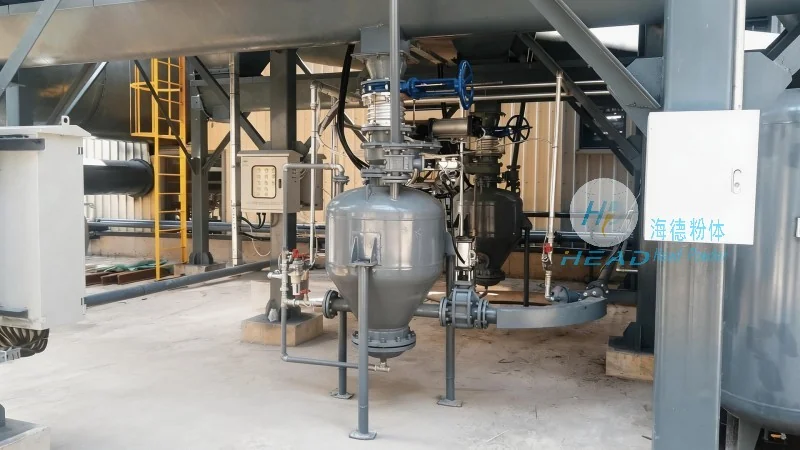
Pneumatic conveying is a method used to transport bulk materials like potassium chloride through a pipeline using air or gas as the conveying medium. This technology offers advantages such as reduced labor costs, improved safety by eliminating manual handling, and the ability to transport materials over long distances. However, the choice between positive and negative pressure systems depends on several factors, including material properties, system layout, and operational requirements.
Positive Pressure Pneumatic Conveying
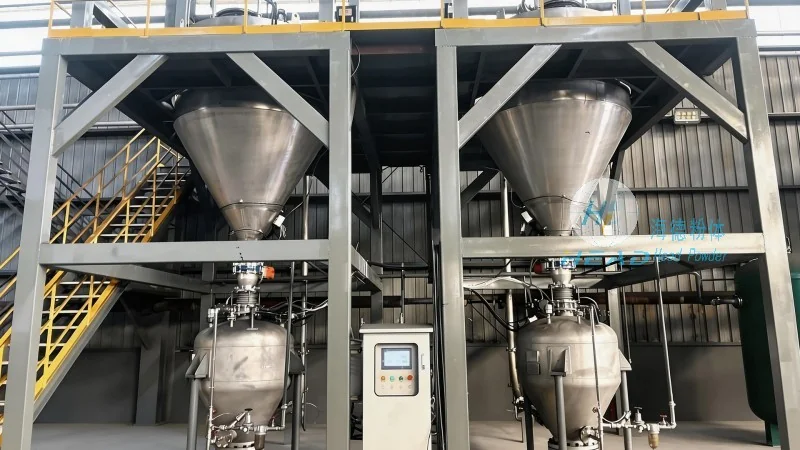
Positive pressure systems operate by blowing air or gas into the conveying line, creating a pressure higher than the ambient air pressure. This method is often used for materials that are dusty or have a tendency to clog pipelines. For potassium chloride, positive pressure systems are suitable when the material is free-flowing and has low moisture content. The high pressure helps maintain a consistent flow rate and prevents material buildup. The system typically includes a blower or compressor at the inlet, which supplies the necessary air pressure. The advantages of positive pressure include better control over the conveying rate, reduced risk of material degradation due to low air velocity, and the ability to handle abrasive materials without excessive wear on the equipment. However, these systems may require more maintenance due to the higher pressure and the need for robust seals to prevent air leakage.
Negative Pressure Pneumatic Conveying
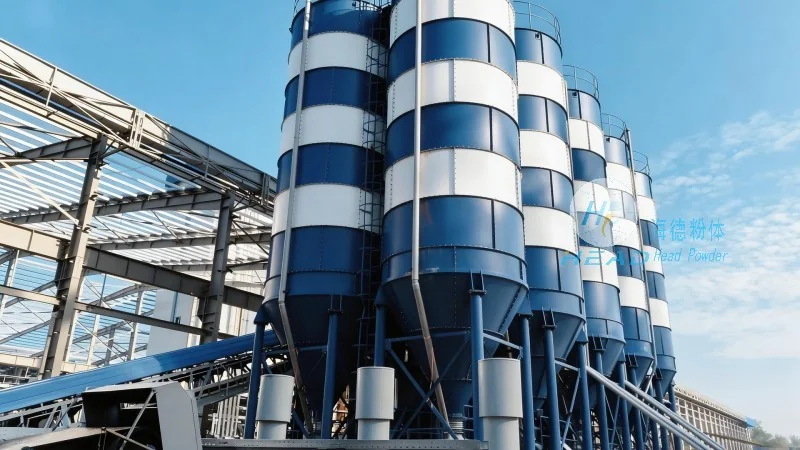
Negative pressure systems, also known as suction systems, operate by creating a vacuum in the conveying line, drawing material from the source into the pipeline. This method is ideal for materials that are light and dusty, as the vacuum helps to capture and transport the material without the need for high pressure. For potassium chloride, negative pressure systems are suitable when the material is relatively light and has a low tendency to clog. The system includes a vacuum pump at the inlet, which creates the necessary suction. The main advantages of negative pressure systems include lower energy consumption compared to positive pressure systems, as they do not require high-pressure blowers. Additionally, they are less likely to cause dust explosions in the conveying line, as the air flow is directed away from the material. However, these systems may have limitations in terms of conveying distance and material capacity, as the vacuum strength diminishes over longer distances. They also require careful design to prevent material from being drawn into the vacuum pump, which can cause wear and maintenance issues.
Distinguishing Between Positive and Negative Pressure Systems
When deciding between positive and negative pressure for potassium chloride pneumatic conveying, several factors must be considered. First, the material's physical properties, such as particle size, moisture content, and flowability, play a significant role. Free-flowing, dry potassium chloride is better suited for positive pressure systems, while lighter, more dusty materials may benefit from negative pressure. Second, the system layout and distance to be covered are important. Positive pressure systems are generally more suitable for longer conveying distances due to their ability to maintain pressure over longer pipelines. Third, operational considerations, such as energy efficiency and maintenance requirements, should be evaluated. Positive pressure systems may consume more energy but offer better control and reliability, while negative pressure systems are more energy-efficient but may require more frequent maintenance. Finally, safety considerations, including the risk of dust explosions and material handling, should be assessed. Positive pressure systems may require explosion-proof equipment in certain environments, while negative pressure systems may need dust collection systems to prevent air pollution.
Conclusion
In conclusion, the choice between positive and negative pressure pneumatic conveying for potassium chloride depends on a combination of material characteristics, system requirements, and operational constraints. Positive pressure systems offer better control and are suitable for longer distances and free-flowing materials, while negative pressure systems are more energy-efficient and ideal for lighter, dusty materials. By carefully evaluating these factors, industrial facilities can select the most appropriate pneumatic conveying system to ensure efficient and safe transportation of potassium chloride. As a leading provider in the field, Shandong HeadPowder Engineering Co., Ltd. specializes in designing and manufacturing customized pneumatic conveying solutions tailored to the specific needs of clients, ensuring optimal performance and reliability for their potassium chloride handling operations.