

Sodium Chlorate Pneumatic Conveying: Choosing Between Positive and Negative Pressure Systems - How t
When it comes to handling sodium chlorate, selecting the right pneumatic conveying system is crucial for efficiency, safety, and operational reliability. The decision between positive pressure and negative pressure systems can significantly impact the overall performance of the process. This article explores the key differences between these two approaches, helping you make an informed choice for your sodium chlorate handling needs.
Understanding Pneumatic Conveying Basics
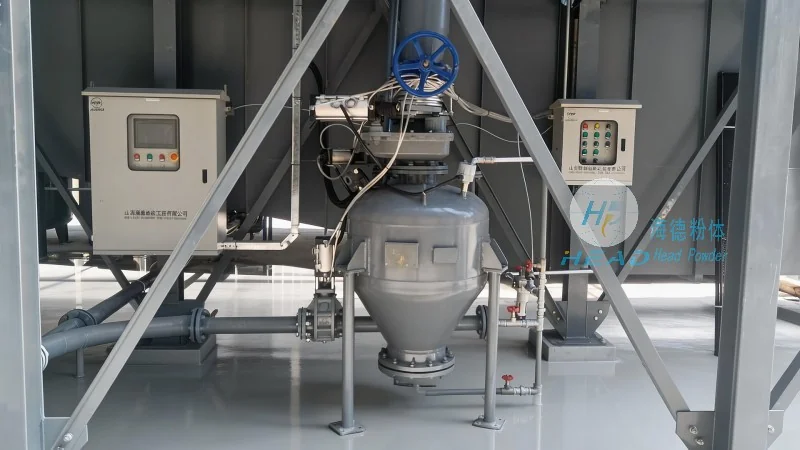
Pneumatic conveying is a method of transporting bulk materials through a pipeline using air or gas as the conveying medium. It offers advantages such as reduced dust exposure, improved safety, and the ability to transport materials over long distances without the need for complex machinery. For sodium chlorate, a highly reactive and potentially hazardous chemical, the choice of conveying system is critical to ensure compliance with safety regulations and maintain product integrity.
Positive Pressure Conveying Systems
Positive pressure systems operate by blowing air or gas into the conveying line, creating a pressure higher than the ambient air pressure. This method is commonly used for materials that are abrasive, sticky, or have a tendency to clog pipelines. In the context of sodium chlorate, positive pressure systems are often preferred when dealing with high-volume, continuous operations. The pressurized air helps to maintain a consistent flow rate and prevents the material from settling in the pipeline, which is particularly important for sodium chlorate due to its hygroscopic nature and potential for dust generation.
Negative Pressure Conveying Systems
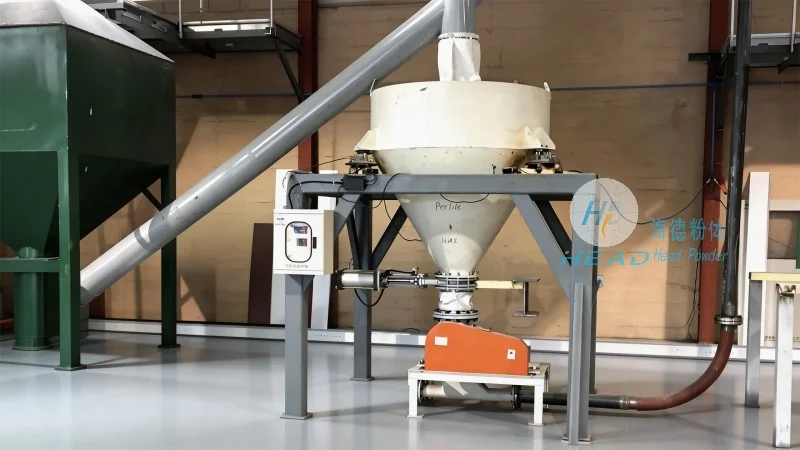
Negative pressure systems, also known as suction systems, operate by creating a vacuum in the conveying line, drawing material from the source into the pipeline. This approach is typically used for materials that are light, dusty, or require gentle handling to avoid degradation. For sodium chlorate, negative pressure systems may be suitable for applications where the material is being transferred from a storage silo or hopper to a processing unit, especially when the distance is relatively short and the material flow rate is lower. The vacuum helps to minimize the risk of dust dispersion and ensures that the material is transported without excessive agitation.
Key Factors to Consider When Choosing a System
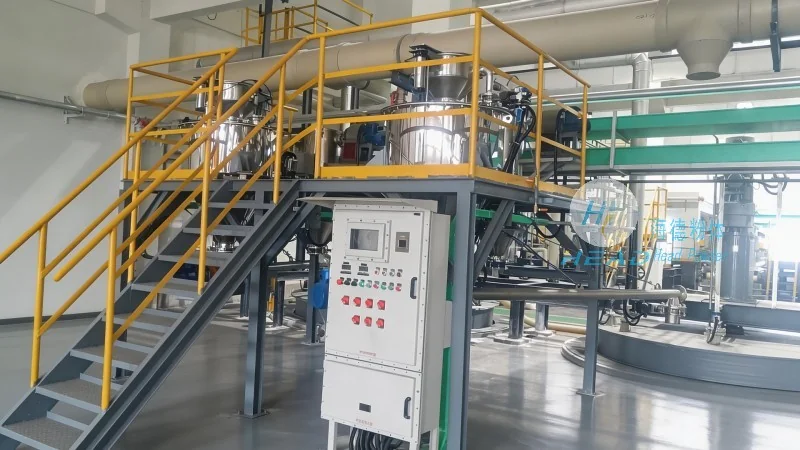
Several factors influence the selection of a pneumatic conveying system for sodium chlorate. These include the material's physical properties, such as particle size, density, and moisture content, as well as the distance and elevation changes involved in the transport. The scale of the operation, whether it's a small-scale batch process or a large-scale continuous production line, also plays a significant role. Additionally, safety considerations, including the risk of explosion or fire, must be carefully evaluated. For sodium chlorate, which is a strong oxidizer, the system must be designed to prevent the accumulation of static electricity and ensure that the conveying air is free from any combustible materials.
Distinguishing Between Positive and Negative Pressure Systems
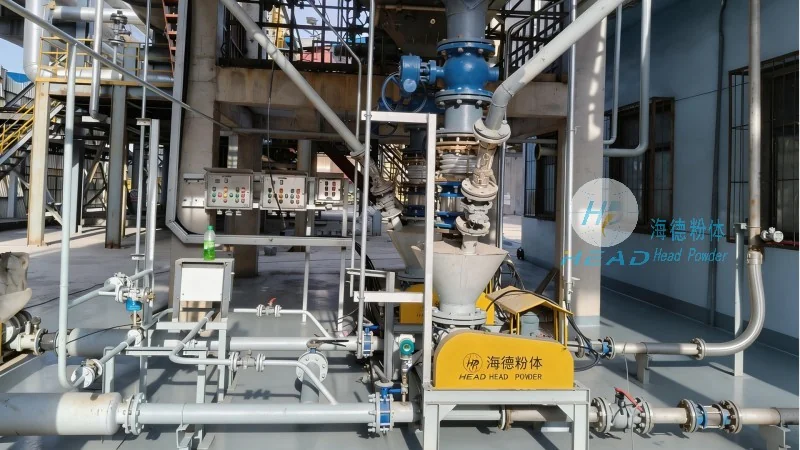
While both positive and negative pressure systems can be used for sodium chlorate, the choice depends on the specific operational requirements. Positive pressure systems are generally more suitable for high-volume, long-distance transport and when the material is prone to clogging or requires a consistent flow. Negative pressure systems are better suited for shorter distances, lighter materials, or when the goal is to minimize dust and maintain a cleaner environment. The key difference lies in the direction of air flow and the pressure differential: positive pressure uses external air to push the material, while negative pressure uses a vacuum to pull the material.
Conclusion
Choosing between positive and negative pressure pneumatic conveying systems for sodium chlorate requires a thorough analysis of the material's characteristics, operational needs, and safety considerations. By understanding the fundamental differences between these systems and evaluating the specific requirements of your application, you can select the most appropriate solution to ensure efficient and safe handling of sodium chlorate. Whether you opt for a positive pressure or negative pressure system, the goal is to maintain product quality, minimize operational risks, and achieve optimal performance in your sodium chlorate processing operations.