

Lysine Pneumatic Conveying: Choosing Positive Pressure or Negative Pressure? How to Distinguish?
Lysine is a critical amino acid widely utilized in the animal feed and food industries. Efficient and reliable material handling is essential for maintaining product quality and operational efficiency in lysine production and processing. Pneumatic conveying systems have become a preferred method for transporting lysine powders due to their ability to handle fine, dusty materials with minimal product degradation. However, the choice between positive pressure and negative pressure systems can significantly impact system performance, cost, and maintenance requirements. This article explores the key differences between positive and negative pressure pneumatic conveying for lysine, helping industry professionals make informed decisions.
Understanding Positive Pressure Pneumatic Conveying
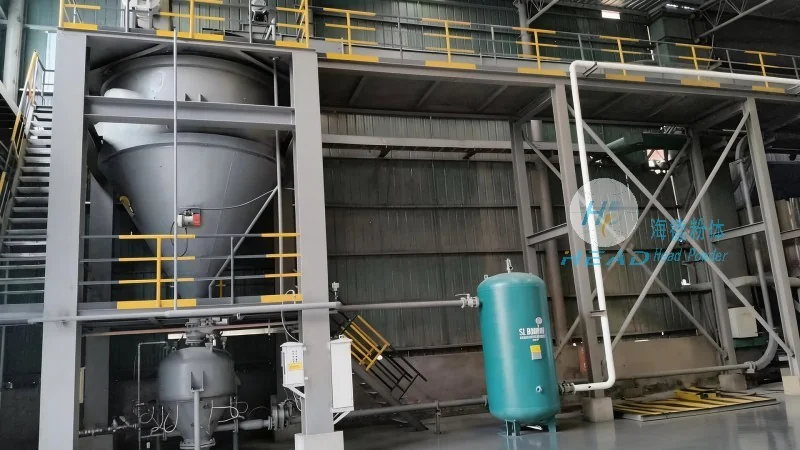
Positive pressure pneumatic conveying systems operate by blowing air or gas into the conveying line, creating a pressure higher than the ambient atmosphere. This method is often referred to as "blow" or "pressure" conveying. In a positive pressure system, the material is drawn into the conveying line from a hopper or storage silo by the moving air stream. The air velocity is typically maintained at a level sufficient to keep the material suspended and transported to the destination point, such as a storage silo, processing unit, or packaging line.
For lysine, which is a fine powder with a relatively low bulk density, positive pressure systems are commonly used in large-scale production facilities. The high air velocity and pressure ensure that the powder is effectively conveyed without clogging or bridging in the system. This type of system is particularly suitable for long-distance conveying and multiple transfer points, as the positive pressure can maintain consistent flow rates even with varying material loads.
One of the main advantages of positive pressure conveying is its ability to handle abrasive materials like lysine without excessive wear on the system components. The high pressure and air velocity help to prevent material buildup and ensure smooth operation. Additionally, positive pressure systems are generally easier to install and maintain, as they do not require complex vacuum equipment or high vacuum pumps. However, they may require more energy to operate compared to negative pressure systems, especially for long-distance or high-capacity applications.
Exploring Negative Pressure Pneumatic Conveying
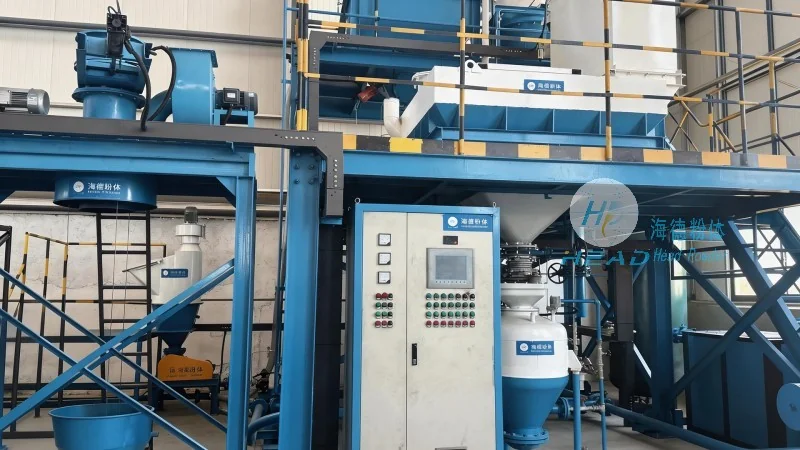
Negative pressure pneumatic conveying, also known as "suction" or "vacuum" conveying, operates by creating a vacuum in the conveying line, which draws the material from the source into the system. The air or gas is then drawn through the material, carrying it to the destination point. This method is often used for shorter conveying distances and for materials that are less abrasive or have higher bulk densities.
In the context of lysine, negative pressure systems are typically employed in smaller-scale operations or for conveying materials from a single source to a single destination. The vacuum created in the system helps to minimize dust emissions and maintain a clean working environment. However, negative pressure systems may be more prone to clogging and material bridging, especially with fine powders like lysine, due to the lower air velocity and pressure compared to positive pressure systems.
Another consideration for negative pressure conveying is the potential for higher maintenance costs, as the vacuum pumps and filters may require more frequent cleaning and replacement. The system also needs to be carefully designed to prevent backflow and ensure that the vacuum is maintained throughout the conveying process. Despite these challenges, negative pressure systems can be more energy-efficient for short-distance applications and may be more suitable for facilities with limited space or where dust control is a primary concern.
Distinguishing Between Positive and Negative Pressure Systems
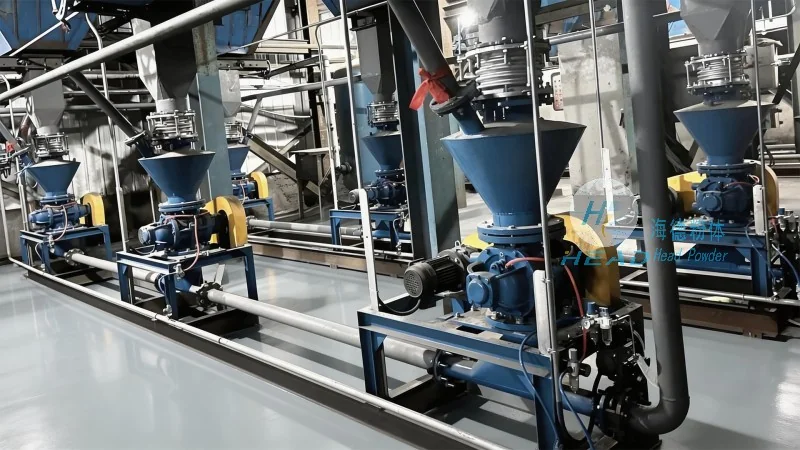
When deciding between positive and negative pressure pneumatic conveying for lysine, several factors should be considered. The most critical factor is the conveying distance and the number of transfer points. Positive pressure systems are generally more suitable for long-distance or multi-point conveying, as they can maintain consistent pressure and flow rates over longer distances. Negative pressure systems are better suited for shorter distances and single-point transfers.
Material properties also play a significant role in the choice of system. Lysine, being a fine powder with low bulk density, may require higher air velocities and pressures in positive pressure systems to ensure effective conveying. Negative pressure systems may struggle with such fine materials, leading to increased clogging and reduced efficiency. Additionally, the system's energy consumption and operational costs should be evaluated. Positive pressure systems typically consume more energy due to the higher air pressure and velocity, while negative pressure systems may have higher maintenance costs due to the vacuum equipment.
Another important consideration is the environmental impact and dust control. Positive pressure systems may generate more dust at the source, as the material is blown out of the hopper, whereas negative pressure systems draw material into the system, reducing dust emissions at the source. However, negative pressure systems may require additional filtration to prevent dust from escaping at the destination point. The choice between the two systems should also take into account the facility layout, available space, and existing infrastructure. For example, if a facility has existing positive pressure equipment, it may be more cost-effective to expand the system rather than converting to a negative pressure system.
HeadPowder Engineering: Expertise in Lysine Pneumatic Conveying Solutions
Shandong HeadPowder Engineering Co., Ltd., a leading provider of pneumatic conveying systems, specializes in designing and manufacturing customized solutions for lysine and other fine powders. With years of experience in the industry, HeadPowder has developed a deep understanding of the unique challenges associated with lysine handling, including dust control, material flow, and system efficiency. The company's team of engineers and technicians work closely with clients to assess their specific needs and recommend the most appropriate conveying system, whether positive or negative pressure.
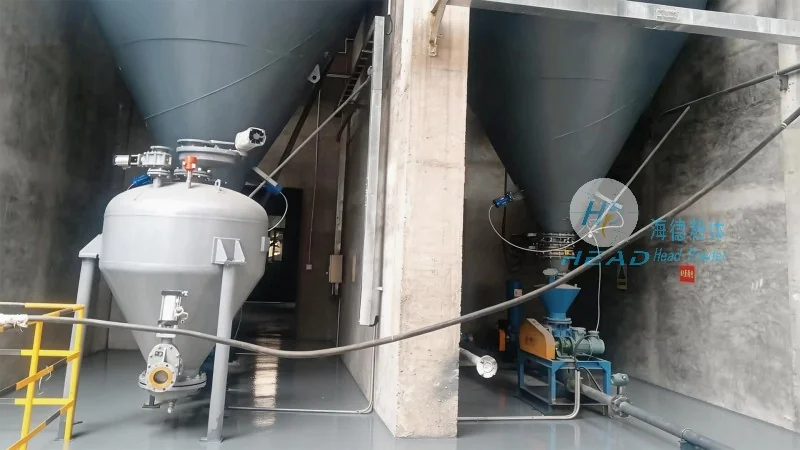
HeadPowder's positive pressure conveying systems are engineered to handle the high demands of lysine production, with features such as high-efficiency blowers, robust material handling components, and advanced control systems. The systems are designed to minimize energy consumption while maintaining optimal conveying performance, ensuring that clients achieve the best possible return on investment. For negative pressure applications, HeadPowder offers vacuum conveying solutions with high-quality filters and vacuum pumps, designed to handle fine powders without clogging or loss of material.
HeadPowder's commitment to quality and customer satisfaction is reflected in its comprehensive after-sales service and technical support. The company provides regular maintenance and inspection services to ensure that the conveying systems operate at peak efficiency, reducing downtime and maintenance costs for clients. Additionally, HeadPowder offers training programs for clients' staff to ensure proper operation and maintenance of the systems, further enhancing the value of the investment.
With its headquarters in Shandong, China, HeadPowder serves clients worldwide, providing reliable and efficient lysine pneumatic conveying solutions tailored to their specific requirements. The company's expertise and dedication to quality have made it a trusted partner for many lysine producers and processors, helping them to improve their operational efficiency and product quality.