

Foam Plastic Pneumatic Conveying: Choosing Positive Pressure or Negative Pressure? How to Distinguis
When it comes to handling foam plastic materials in industrial settings, the choice of pneumatic conveying system is a critical decision. Foam plastic, with its lightweight and often irregular shapes, presents unique challenges for material transport. Traditional methods like belt conveyors or manual handling may not be efficient or safe for these materials. Pneumatic conveying offers a solution, but the question arises: should you opt for a positive pressure system or a negative pressure system? This article explores the key factors to consider when selecting the right pneumatic conveying method for foam plastic, helping you make an informed decision.
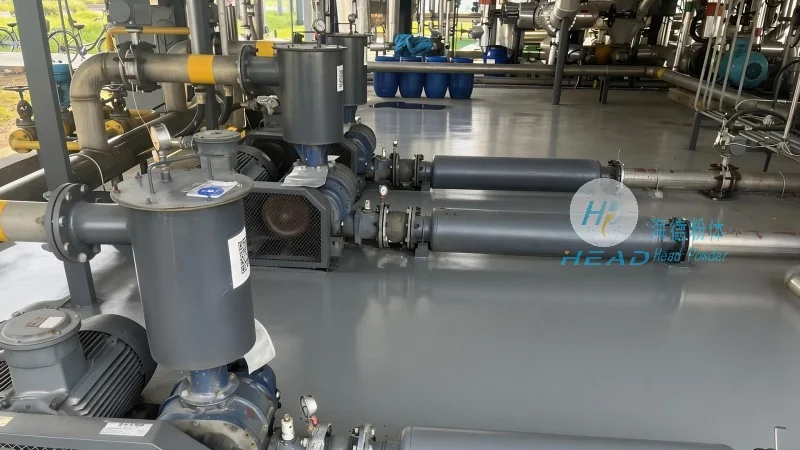
Understanding Positive Pressure Pneumatic Conveying
Positive pressure pneumatic conveying systems operate by blowing air or a gas mixture into the conveying line, creating a pressure higher than the ambient air pressure. The material is then drawn into the system and transported to the destination. This method is often preferred for applications where the material is sensitive to moisture or contamination, as the sealed system prevents external air from entering. For foam plastic, which can be hygroscopic or prone to dust generation, a positive pressure system can provide a cleaner and more controlled environment. The high-pressure air also helps to break up any agglomerates or clumps in the foam, ensuring consistent material flow. Companies like Shandong HeadPowder Engineering Co., Ltd. specialize in designing and manufacturing such systems tailored to the specific properties of foam plastic.
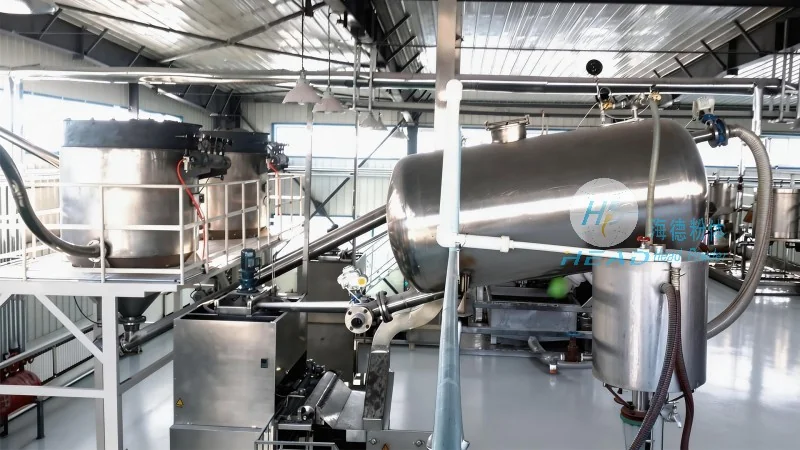
Exploring Negative Pressure Pneumatic Conveying
Negative pressure, or vacuum, pneumatic conveying systems work by creating a vacuum in the conveying line, which draws the material into the system. The material is then transported to the destination under the influence of the vacuum. This method is typically used for shorter distances and when the material is less abrasive or when the source is at a higher elevation than the destination. For foam plastic, negative pressure systems can be advantageous in applications where the material needs to be transported from a single point to multiple destinations, as the vacuum can be directed to different collection points. However, negative pressure systems may be less effective for handling large volumes of foam plastic or for materials that are prone to clogging the lines. The vacuum also requires careful maintenance to prevent the intake of external contaminants, which can affect the quality of the foam plastic.
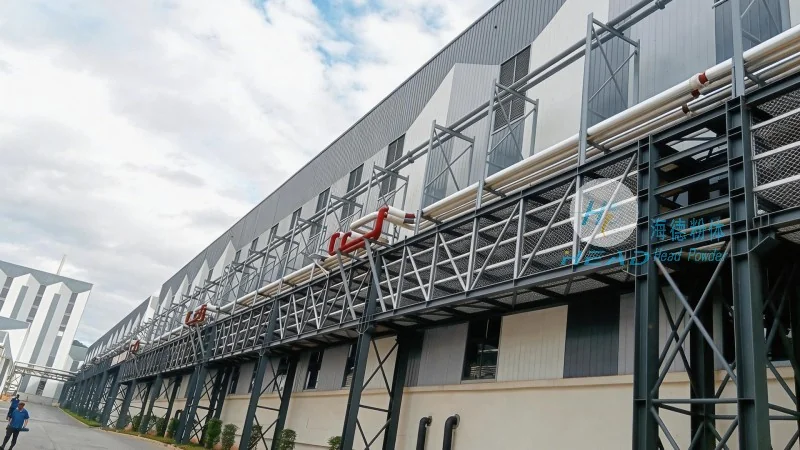
Distinguishing Between Positive and Negative Pressure Systems
Choosing between positive and negative pressure pneumatic conveying for foam plastic depends on several factors. The first consideration is the distance and layout of the conveying system. Positive pressure systems are generally more suitable for longer distances and complex layouts, as they can maintain a consistent pressure throughout the line. Negative pressure systems are better for shorter distances and simpler setups. The second factor is the material properties of the foam plastic. If the foam is lightweight and prone to dust, a positive pressure system with filtration can help contain the material and prevent environmental contamination. For foam that is less dusty and less sensitive to moisture, a negative pressure system may suffice. The third factor is the operational requirements, such as the need for a clean environment or the presence of other materials in the system. Positive pressure systems are ideal for applications where the foam plastic must be kept isolated from other substances, while negative pressure systems may be used when the foam is mixed with other materials that are less sensitive to contamination.
Key Considerations for Selecting the Right System
When deciding between positive and negative pressure pneumatic conveying for foam plastic, it is essential to evaluate the specific needs of your operation. Consider the volume of material to be transported, the distance between the source and destination, and the environmental and safety requirements. A positive pressure system may be more expensive to install and operate due to the higher air pressure requirements, but it offers better control and flexibility. A negative pressure system may be more cost-effective for shorter distances but may require more maintenance to prevent clogging and contamination. It is also important to consider the material handling equipment and the integration with other processes in the plant. Companies like Shandong HeadPowder Engineering Co., Ltd. provide comprehensive solutions, including system design, equipment selection, and installation, tailored to the unique needs of foam plastic applications. Their expertise in pneumatic conveying technology ensures that the chosen system is optimized for efficiency, reliability, and safety.
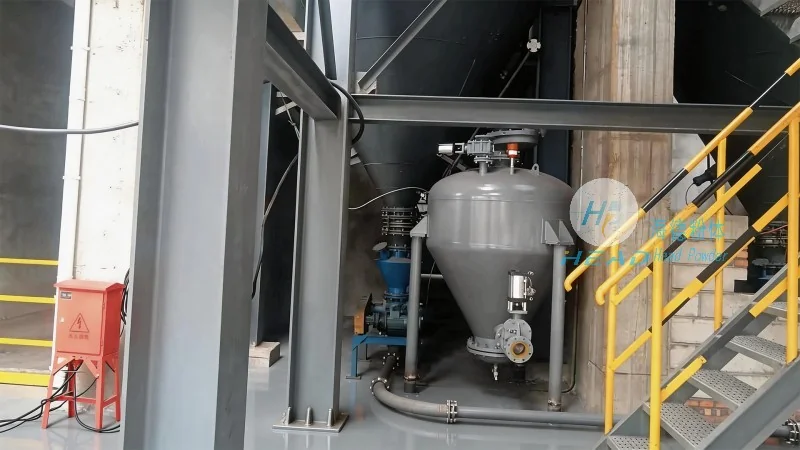
Conclusion
Choosing the right pneumatic conveying system for foam plastic is a critical decision that impacts the efficiency, safety, and quality of material handling in industrial operations. By understanding the differences between positive and negative pressure systems and considering the specific properties and requirements of the foam plastic, you can select the most appropriate system. Whether you opt for a positive pressure system for its controlled environment and material handling capabilities or a negative pressure system for its simplicity and cost-effectiveness, the key is to ensure that the system is designed and installed by a reputable company like Shandong HeadPowder Engineering Co., Ltd. Based in Shandong, China, this company specializes in providing high-quality pneumatic conveying solutions for a wide range of industrial applications, including foam plastic. Their commitment to quality and customer satisfaction ensures that your material handling needs are met with precision and reliability.