

Choosing Between Positive Pressure and Negative Pressure for Cement Raw Material Pneumatic Conveying
When it comes to the pneumatic conveying of cement raw materials, selecting the right system is crucial for efficiency, cost-effectiveness, and operational safety. Two primary approaches dominate the industry: positive pressure and negative pressure systems. Understanding the differences between these two methods is essential for making an informed decision that aligns with your specific production needs. This article will explore the key characteristics, advantages, and practical considerations of both positive and negative pressure pneumatic conveying systems, helping you determine which option is best suited for your cement plant.
Understanding Positive Pressure Pneumatic Conveying
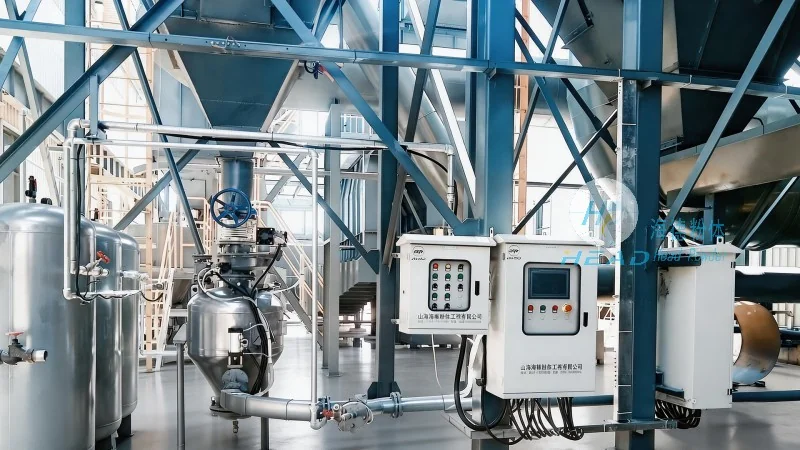
Positive pressure pneumatic conveying systems operate by generating air pressure within the conveying line, pushing the material through the system. This method is often referred to as "pressure conveying" and is commonly used in applications where the material needs to be transported over longer distances or through complex piping networks. The system typically includes a blower or compressor that supplies compressed air to the conveying line, ensuring a continuous flow of material.
One of the main advantages of positive pressure systems is their ability to handle a wide range of materials, including those that are abrasive or have high moisture content. The high pressure ensures that the material is moved efficiently without clogging or blockages. Additionally, positive pressure systems are generally more suitable for conveying materials from multiple sources to a single destination, as the pressure can be maintained throughout the entire line.
However, positive pressure systems also have some drawbacks. They require more robust equipment, such as high-pressure blowers and stronger piping, which can increase initial investment costs. Furthermore, the high pressure can lead to higher energy consumption, making them less economical for short-distance or low-volume applications. Another consideration is the potential for dust emissions, as the high-pressure air can cause particles to become airborne, posing health and safety risks if not properly managed.
Understanding Negative Pressure Pneumatic Conveying
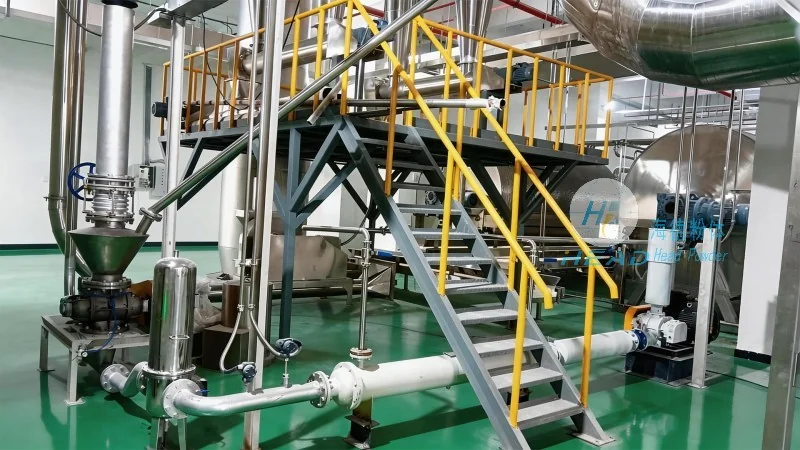
Negative pressure pneumatic conveying, also known as "suction conveying," operates by creating a vacuum in the conveying line, drawing the material into the system. This method is ideal for applications where the material needs to be collected from multiple points and transported to a central location, such as in a cement plant where raw materials are sourced from various silos or storage areas.
The primary advantage of negative pressure systems is their ability to handle fine powders and dust without the need for high-pressure equipment. The vacuum helps to maintain the material's integrity and prevents it from being dispersed into the environment. This makes negative pressure systems particularly suitable for applications where dust control is a critical concern. Additionally, negative pressure systems are generally more energy-efficient for short-distance conveying, as they require less power to operate compared to positive pressure systems.
Despite these benefits, negative pressure systems have their limitations. They are less effective for conveying materials over long distances or through complex piping, as the vacuum can be lost or reduced due to line resistance and material buildup. This can lead to reduced conveying efficiency and potential blockages. Another challenge is the need for proper filtration and dust collection systems, as the vacuum can pull in ambient air and dust, which may require additional equipment to manage.
Distinguishing Between Positive and Negative Pressure Systems
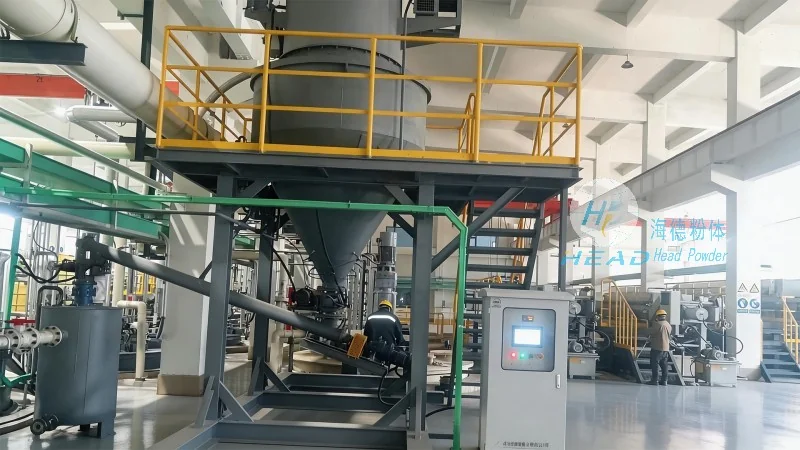
When deciding between positive and negative pressure pneumatic conveying systems, several factors should be considered. The first is the distance and complexity of the conveying line. Positive pressure systems are better suited for longer distances and more complex networks, while negative pressure systems are ideal for shorter distances and simpler setups.
The second factor is the material characteristics. If the material is abrasive, has high moisture content, or is prone to clogging, a positive pressure system may be more appropriate due to its ability to handle these challenges. Conversely, if the material is fine and dusty, a negative pressure system may be preferred to maintain its integrity and control dust emissions.
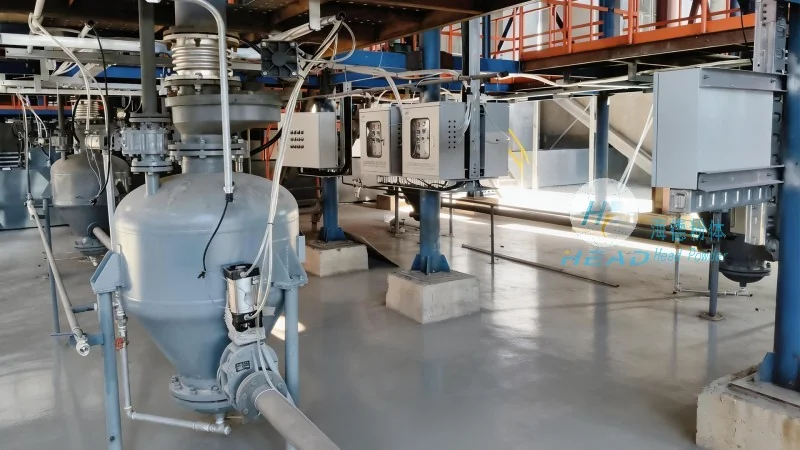
The third factor is the operational environment and safety considerations. Positive pressure systems may require additional dust control measures due to the high-pressure air, while negative pressure systems need proper filtration to prevent dust from entering the workplace. The choice should also consider the available space and infrastructure, as positive pressure systems may require more room for equipment and piping.
Conclusion and Recommendations
Choosing between positive pressure and negative pressure pneumatic conveying for cement raw materials requires a thorough evaluation of your specific needs and operational conditions. Positive pressure systems offer robustness and efficiency for long-distance or complex conveying, while negative pressure systems provide dust control and energy efficiency for shorter distances and fine powders. By understanding the characteristics and limitations of each system, you can select the most suitable option for your cement plant, ensuring optimal performance, cost-effectiveness, and safety.
Shandong HeadPowder Engineering Co., Ltd., a leading provider of pneumatic conveying solutions, specializes in designing and manufacturing customized systems tailored to the unique requirements of cement production. With years of experience in the industry, HeadPowder offers expert guidance and high-quality equipment to help cement plants achieve efficient and reliable material handling. Located in Shandong, China, HeadPowder serves clients worldwide, providing comprehensive solutions that meet the highest standards of performance and durability.