

Choosing Positive Pressure or Negative Pressure for Glass Bubble Pneumatic Conveying? How to Disting
When it comes to transporting glass bubbles through pneumatic systems, selecting the right pressure type—positive or negative—is crucial for efficiency, cost-effectiveness, and system longevity. This guide explores the key differences between positive and negative pressure systems, helping you make an informed decision for your specific application.
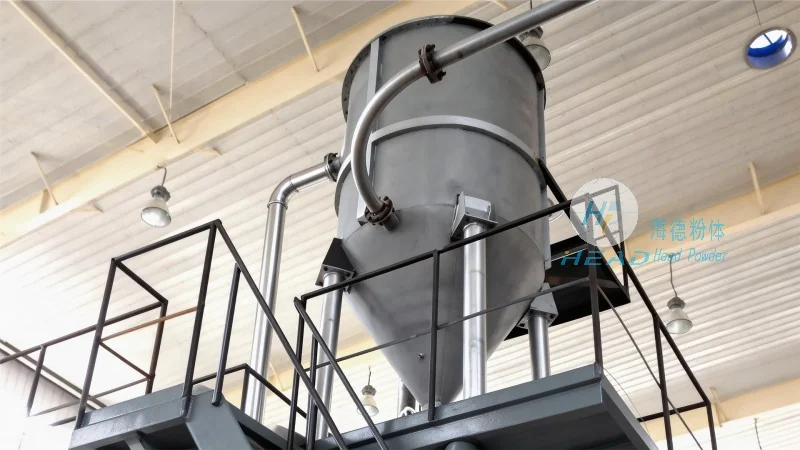
HeadPowder, a leading provider of glass bubble solutions from Shandong, China, understands the nuances of pneumatic conveying. With years of experience in the industry, we help clients optimize their material handling processes by matching the right pressure system to their operational needs.
What Are Glass Bubbles and Why Pneumatic Conveying?
Glass bubbles are lightweight, hollow glass spheres used in various industries, including construction, insulation, and cosmetics. Their unique properties make them ideal for lightweighting and enhancing product performance. Pneumatic conveying is a common method to transport these delicate materials due to its ability to handle fine powders and minimize product degradation.
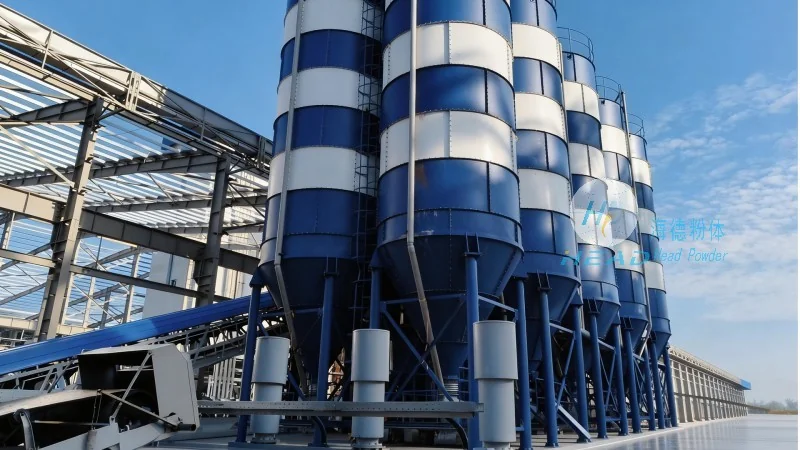
Differentiating Positive and Negative Pressure Systems
Positive pressure systems push material through the system using a blower or fan that generates air pressure. This method is often used for long-distance or high-volume transport, as it can maintain consistent flow and handle abrasive materials. The primary advantage is that it can operate in environments with dust or debris, as the system is sealed and the air is forced out.
Negative pressure systems, on the other hand, pull material into the system using a vacuum or suction. This approach is typically used for shorter distances or when the material is sensitive to pressure changes. It is ideal for applications where the material is prone to caking or where the system needs to be enclosed to prevent dust from escaping.
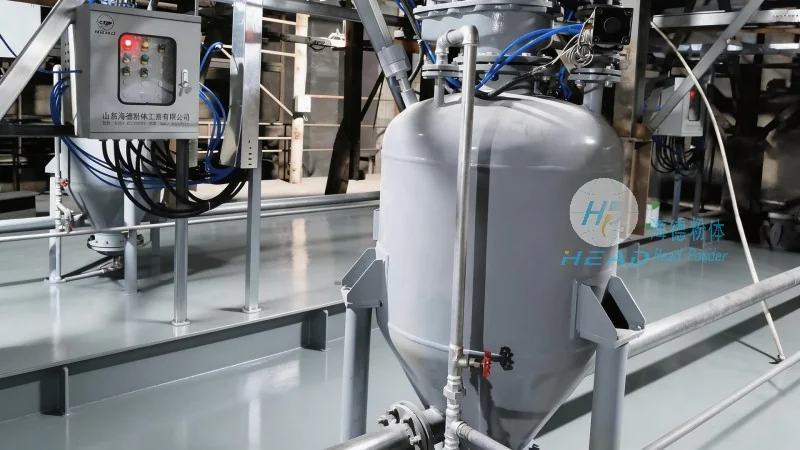
Key Factors to Consider When Choosing a Pressure Type
Several factors influence the choice between positive and negative pressure systems. The first is the distance and layout of the conveying line. Positive pressure is better suited for longer runs, while negative pressure is more efficient for shorter distances. The second factor is the material properties, such as particle size, moisture content, and abrasiveness. For example, glass bubbles with fine particles may require a negative pressure system to avoid clogging, whereas larger, less abrasive particles can be handled by positive pressure.
The third consideration is the system's integration with existing infrastructure. Positive pressure systems may require additional filtration and exhaust systems to manage air quality, while negative pressure systems need careful sealing to prevent air leaks. Finally, cost and maintenance are critical. Positive pressure systems often have higher initial costs due to the need for robust blower units, but they may have lower long-term maintenance costs compared to negative pressure systems, which require more frequent filter changes and sealing checks.
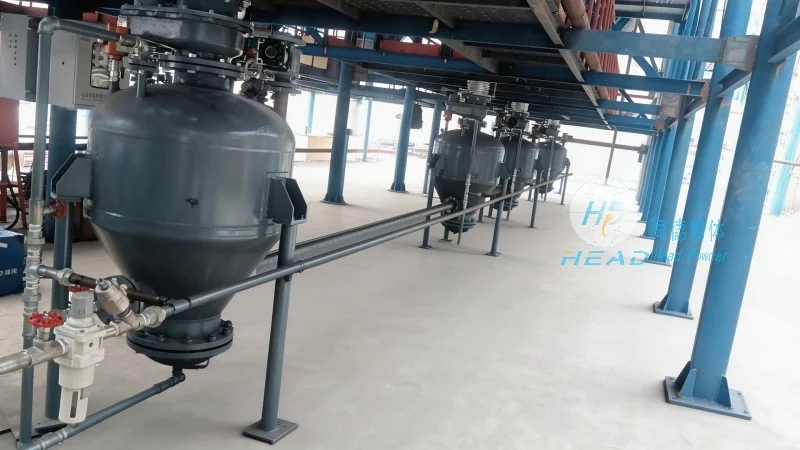
How HeadPowder Can Assist with Your Pneumatic Conveying Needs
At HeadPowder, we offer comprehensive solutions for glass bubble pneumatic conveying, including system design, equipment selection, and installation support. Our team of experts works closely with clients to assess their specific requirements and recommend the most suitable pressure type. Whether you need a positive pressure system for long-distance transport or a negative pressure system for sensitive materials, we can provide tailored solutions that meet your operational goals.
Our headquarters in Shandong, China, enables us to leverage local manufacturing capabilities and supply high-quality components at competitive prices. We also provide technical support and maintenance services to ensure your system operates at peak efficiency. By partnering with HeadPowder, you can optimize your material handling processes and improve overall productivity.