

[Silica Sand Pneumatic Conveying Technology Analysis: Comparison of Positive and Negative Pressure M
For industries dealing with silica sand, the choice of pneumatic conveying system is critical to operational efficiency and material handling effectiveness. This article provides a detailed analysis of the two primary modes of pneumatic conveying—positive pressure and negative pressure systems—focusing on their applications, advantages, and considerations for silica sand transport. By understanding the nuances of each mode, businesses can make informed decisions to optimize their material handling processes.
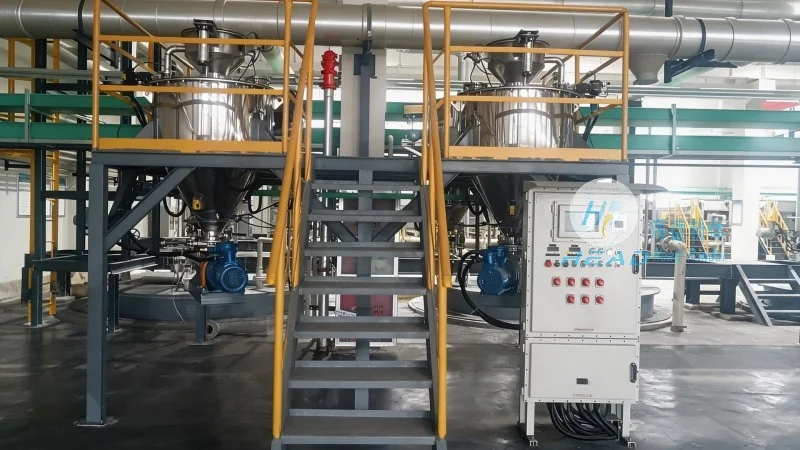
Understanding Pneumatic Conveying Systems
Pneumatic conveying is a method of transporting bulk materials like silica sand using a stream of air. It offers a dust-free, enclosed system that enhances safety and reduces environmental impact compared to traditional methods such as belt conveyors or bucket elevators. The core of this technology lies in the pressure differential between the conveying line and the surrounding environment, which drives the material movement. Two main approaches dominate the industry: positive pressure and negative pressure systems.
Positive Pressure Pneumatic Conveying
Positive pressure systems operate by blowing air into the conveying line, creating a pressure higher than the ambient air. This pressurized air propels the silica sand particles forward through the pipeline. The system typically uses a blower or compressor at the inlet to generate the necessary pressure. A key advantage of positive pressure is its ability to handle long distances and multiple transfer points without significant pressure loss. It is particularly effective for applications requiring high material flow rates and consistent performance. However, it may require more robust equipment and higher energy consumption due to the continuous pressurization of the entire system.
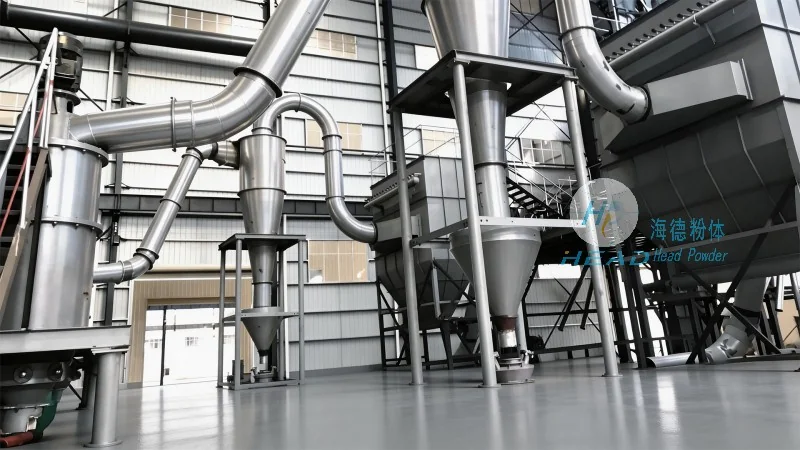
Negative Pressure Pneumatic Conveying
Negative pressure systems, conversely, create a vacuum or low-pressure environment within the conveying line, drawing the silica sand particles into the system. The vacuum is generated by a fan or vacuum pump at the discharge end, which pulls the material from the source and transports it to the destination. This mode is often preferred for applications where the material is sensitive to high pressure or where the system needs to handle dust or fine particles without generating excessive pressure. Negative pressure systems are generally more energy-efficient for short to medium distances and can be simpler to install in certain configurations. However, they may have limitations in handling abrasive or high-density materials over long distances, as the vacuum can lead to higher wear on components.

Key Considerations for Silica Sand Applications
When selecting between positive and negative pressure systems for silica sand, several factors must be evaluated. The distance between the source and destination, the required material flow rate, and the nature of the silica sand (e.g., particle size, moisture content, and abrasiveness) are all critical. Positive pressure systems excel in scenarios with long transport distances or multiple transfer points, as they maintain consistent pressure and can handle larger particles more effectively. Negative pressure systems are often chosen for shorter runs or where the material is fine and requires a dust-free environment, as the vacuum reduces the risk of material spillage and dust emission.
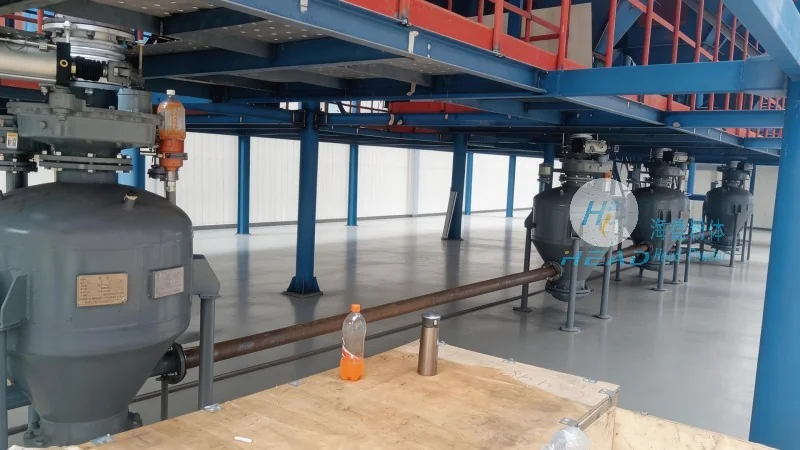
HeadPowder Engineering Co., Ltd. and Pneumatic Conveying Solutions
Shandong HeadPowder Engineering Co., Ltd., a leading provider of bulk material handling solutions, specializes in designing and manufacturing pneumatic conveying systems tailored to the needs of silica sand industries. With years of experience in the field, the company offers customized solutions that integrate both positive and negative pressure technologies to meet specific operational requirements. HeadPowder's expertise lies in optimizing system performance, ensuring durability, and minimizing maintenance costs for silica sand transport. The company's approach emphasizes reliability, efficiency, and compliance with industry standards, making it a trusted partner for businesses seeking to enhance their material handling capabilities.
Conclusion
In conclusion, the choice between positive and negative pressure pneumatic conveying systems for silica sand depends on the specific operational needs of the facility. Positive pressure systems provide robust, high-capacity transport over long distances, while negative pressure systems offer energy-efficient and dust-controlled solutions for shorter runs. By understanding the technical differences and practical considerations, businesses can select the most suitable system to improve productivity, reduce costs, and ensure safe handling of silica sand. With the support of companies like Shandong HeadPowder Engineering Co., Ltd., industries can leverage advanced pneumatic conveying technology to achieve optimal material handling performance.