

Analysis of Bean Powder Pneumatic Conveying Technology: Comparison of Positive and Negative Pressure
When it comes to transporting bean powder, selecting the right pneumatic conveying system is crucial for efficiency, cost-effectiveness, and product integrity. Two primary modes dominate the industry: positive pressure and negative pressure systems. Each has distinct characteristics, advantages, and applications, making it essential to understand their differences to choose the optimal solution for specific needs. This analysis is provided by Shandong HeadPowder Engineering Co., Ltd., a leading provider of pneumatic conveying solutions based in China.
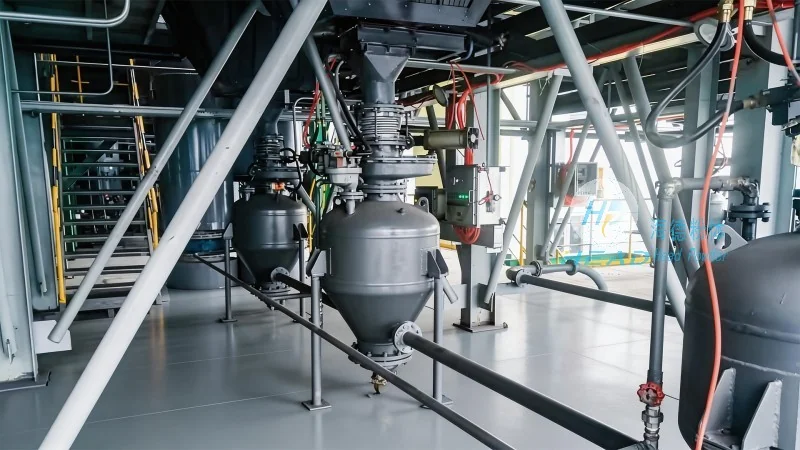
Understanding Pneumatic Conveying Basics
Pneumatic conveying uses air or gas to move bulk materials like bean powder through a pipeline. The system operates by creating a pressure differential between the conveying line and the surrounding environment. This pressure difference propels the material forward, ensuring smooth and continuous transport. The choice between positive and negative pressure depends on factors such as material properties, distance, and system complexity.
Positive Pressure Pneumatic Conveying Systems
Positive pressure systems, as the name implies, operate by pressurizing the conveying line above atmospheric pressure. In this mode, air is forced into the system, carrying the bean powder through the pipeline. This approach is particularly effective for long-distance transport and when dealing with abrasive or sticky materials. The high pressure ensures that the material is fully suspended and moves efficiently, reducing the risk of blockages and material degradation.
One of the key advantages of positive pressure systems is their ability to handle high material loads and maintain consistent flow rates. They are also well-suited for applications requiring high pressure to overcome significant resistance, such as transporting bean powder over several hundred meters. Additionally, these systems are generally more energy-efficient for long-distance transport, as they can operate at higher pressures with less air volume.
Negative Pressure Pneumatic Conveying Systems
Conversely, negative pressure systems operate by creating a vacuum or sub-atmospheric pressure within the conveying line. The surrounding air is drawn into the system, pulling the bean powder along with it. This mode is ideal for short-distance transport and when the material is less abrasive or less likely to cause blockages. Negative pressure systems are often preferred for applications where the material is sensitive to high pressure or where the system needs to be enclosed to prevent dust emissions.
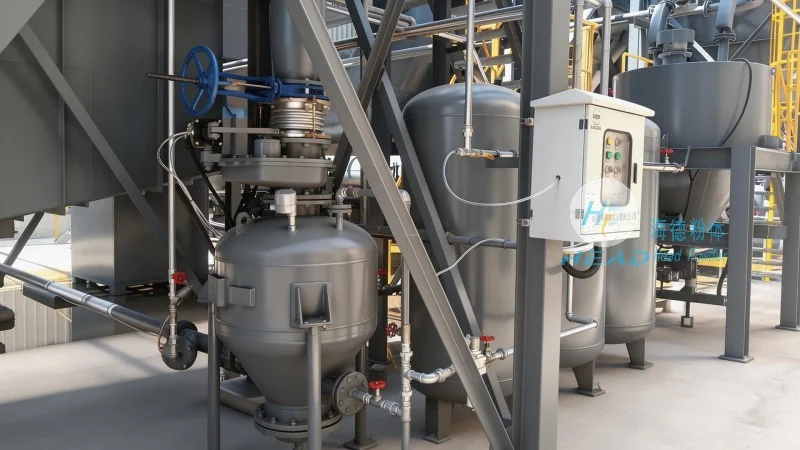
A major benefit of negative pressure systems is their lower energy consumption for short distances. They are also easier to install and maintain, as they do not require high-pressure pumps or compressors. However, they are less effective for long-distance transport due to the limitations of maintaining a vacuum over extended pipelines. Additionally, negative pressure systems may be more prone to clogging if the material is fine or has high moisture content.
Key Differences and Selection Criteria
When comparing positive and negative pressure pneumatic conveying systems for bean powder transport, several factors must be considered. The primary difference lies in the pressure differential: positive pressure uses excess pressure, while negative pressure uses reduced pressure. This impacts the system's energy requirements, material handling capabilities, and overall cost.
For instance, positive pressure systems are generally more suitable for high-volume, long-distance transport of bean powder, especially when the material is dense or has a tendency to agglomerate. They provide better control over material flow and can handle more challenging conditions. Negative pressure systems, on the other hand, are better suited for low-volume, short-distance transport or when the material is light and less prone to blockages. They are also more environmentally friendly as they can be enclosed to contain dust.
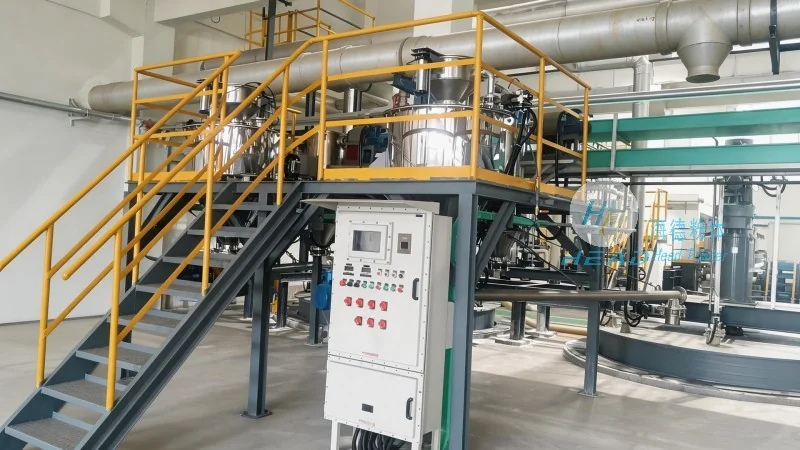
Application Considerations for Bean Powder
Bean powder, like other fine powders, presents unique challenges in pneumatic conveying due to its fine particle size and potential for static electricity. The choice of system must account for these characteristics. Positive pressure systems are often preferred for bean powder because they can better control the flow and prevent dust accumulation. The high pressure helps to break up agglomerates and ensure that the powder remains suspended in the air stream.
Negative pressure systems may be used for smaller-scale operations or when the bean powder is less likely to cause blockages. However, they require careful attention to system design to prevent dust leakage and ensure efficient transport. The choice ultimately depends on the specific application, such as whether the bean powder is being transported from a silo to a processing plant or from a storage area to a packaging line.
Conclusion and Recommendations
Both positive and negative pressure pneumatic conveying systems have their place in the transportation of bean powder. Positive pressure systems offer superior performance for long-distance, high-volume transport, while negative pressure systems are more suitable for short-distance, low-volume applications. The optimal choice depends on factors such as the distance of transport, the volume of material, the material's properties, and the overall system requirements.
For businesses dealing with bean powder, understanding these differences and selecting the appropriate system is critical to ensuring efficient, cost-effective, and safe transport. By carefully evaluating the specific needs of the operation, companies can choose the most suitable pneumatic conveying technology to enhance productivity and maintain product quality. Shandong HeadPowder Engineering Co., Ltd. specializes in designing and implementing customized pneumatic conveying solutions tailored to the unique requirements of bean powder handling.