

Resin Pneumatic Conveying Technology Analysis: Comparison of Positive and Negative Pressure Modes
Resin pneumatic conveying technology has become a critical component in the processing and handling of resin materials across various industries. This method involves transporting resin particles through a pipeline using air or other gases, offering a non-contact, efficient, and flexible solution for material movement. The core of this technology lies in the two primary modes: positive pressure and negative pressure systems. Understanding the differences and applications of these modes is essential for optimizing material handling processes and selecting the most suitable conveying system for specific operational needs.
Positive Pressure Pneumatic Conveying: Working Principle and Applications
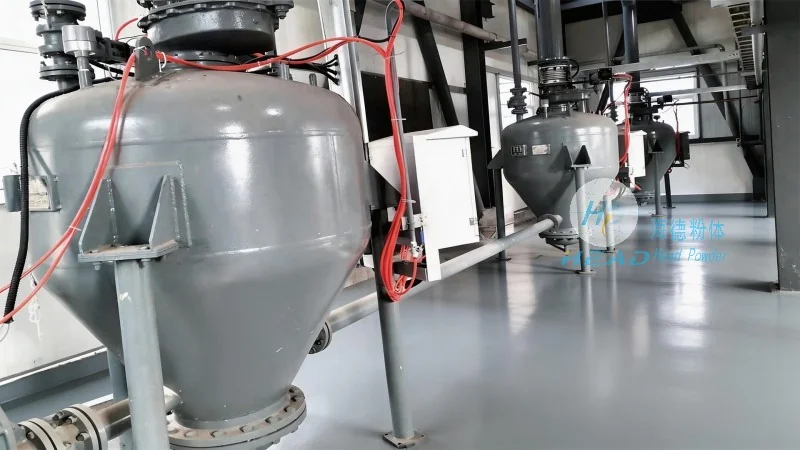
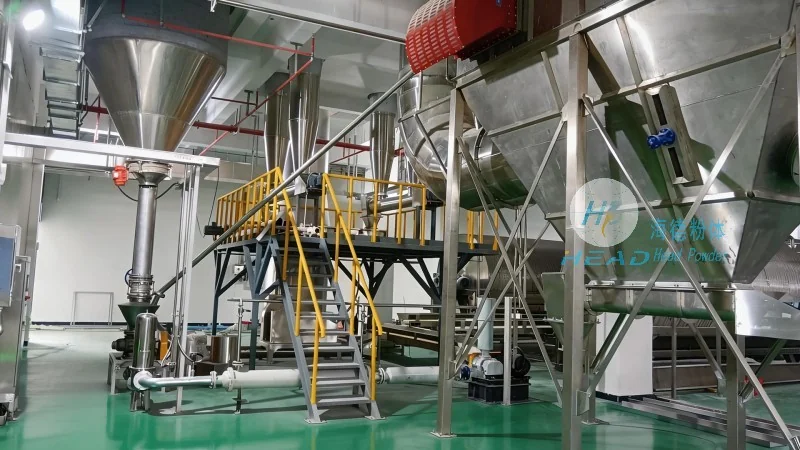
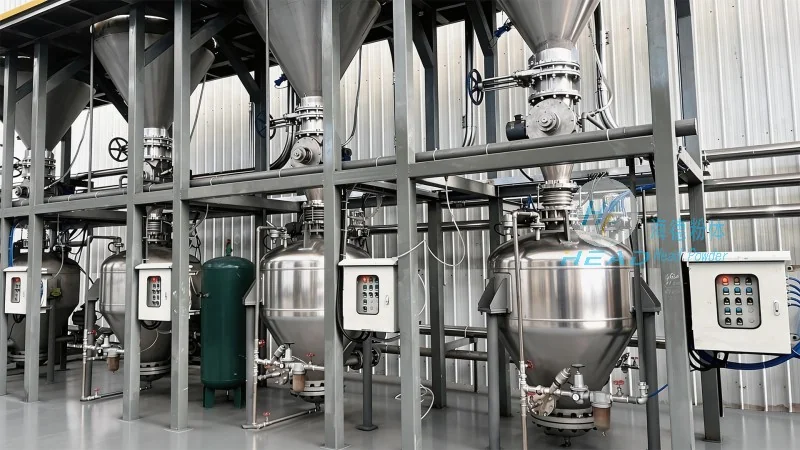
Positive pressure pneumatic conveying systems operate by generating high-pressure air or gas at the material inlet. The air is forced through the pipeline, creating a pressure differential that propels the resin particles forward. This mode is particularly effective for transporting abrasive or high-density resin materials over long distances, as the high pressure ensures consistent flow and prevents material degradation. The system typically includes a blower or compressor at the inlet, a hopper for material storage, and a pipeline network that may include bends, valves, and filters. Positive pressure systems are commonly used in applications such as resin transfer to molding machines, where precise control over material flow is required. The high pressure also allows for the conveyance of materials with high moisture content or those that are prone to caking, as the forceful air flow prevents material buildup in the pipeline.
Negative Pressure Pneumatic Conveying: Working Principle and Applications
Negative pressure pneumatic conveying, also known as suction conveying, operates by creating a low-pressure environment at the material inlet. The system draws air and resin particles into the pipeline using a vacuum or suction device. This mode is ideal for applications where the material needs to be collected from a source and transported to a processing unit, often in environments where dust control is a priority. The low-pressure system is less likely to cause material degradation due to the lower air velocities compared to positive pressure systems. Negative pressure conveying is commonly used in resin handling for applications such as resin recovery from waste streams or material transfer from storage bins to processing equipment. The system typically includes a vacuum pump, a hopper, and a pipeline with appropriate filters to prevent dust emissions. The low pressure also reduces the risk of material spillage and ensures a cleaner handling environment, making it suitable for applications where hygiene and dust control are critical.