

Analysis of Wheat Pneumatic Conveying Technology: Comparison of Positive and Negative Pressure Modes
Wheat pneumatic conveying technology is a critical component in modern grain handling and processing operations. The choice between positive pressure and negative pressure systems significantly impacts efficiency, cost, and operational safety. This article provides a detailed analysis of these two primary modes, highlighting their mechanisms, advantages, and practical applications in the context of wheat handling.
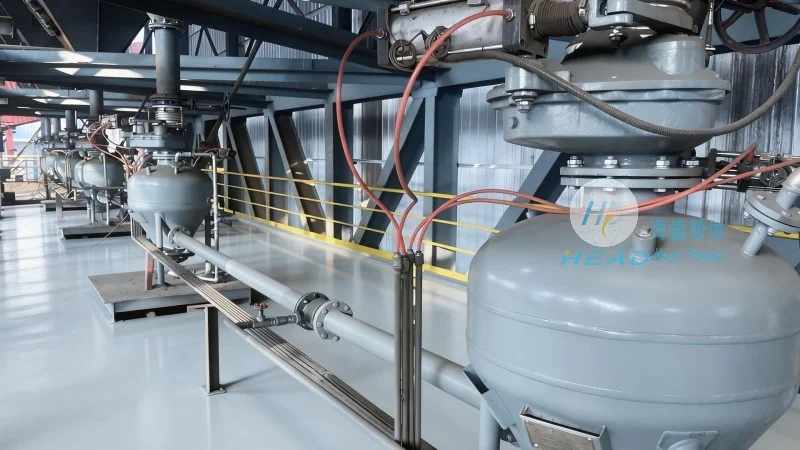
Introduction to Wheat Pneumatic Conveying
Wheat pneumatic conveying systems use air to transport bulk materials like wheat from one location to another. These systems are widely used in agricultural and food processing industries due to their ability to handle large volumes of grain with minimal labor. The core of the technology lies in the differential pressure created between the conveying line and the ambient environment, which propels the wheat particles through the system.
Positive Pressure Pneumatic Conveying Systems
Positive pressure systems operate by blowing air into the conveying line, creating a higher pressure inside the pipe compared to the external environment. This pressurized air then transports the wheat particles. The primary advantage of this mode is its ability to handle long distances and high elevations, as the positive pressure can maintain the flow of material over significant vertical and horizontal distances. Additionally, positive pressure systems are generally more suitable for abrasive materials like wheat, as the high-pressure air helps to prevent material buildup and blockages.
Shandong HeadPowder Engineering Co., Ltd., a leading provider of pneumatic conveying solutions, specializes in designing and manufacturing systems tailored to the unique demands of wheat handling. Their expertise in positive pressure technology ensures that clients receive efficient and reliable equipment that minimizes downtime and maximizes throughput. The company’s commitment to quality and innovation has made them a trusted partner in the grain processing industry.
Negative Pressure Pneumatic Conveying Systems
Negative pressure systems, also known as vacuum systems, work by creating a lower pressure inside the conveying line than the external environment. This vacuum draws the wheat particles into the system. Unlike positive pressure systems, negative pressure systems are often preferred for shorter conveying distances and when the material needs to be collected from multiple points. They are also more suitable for applications where dust control is a priority, as the sealed system prevents dust from escaping into the environment.
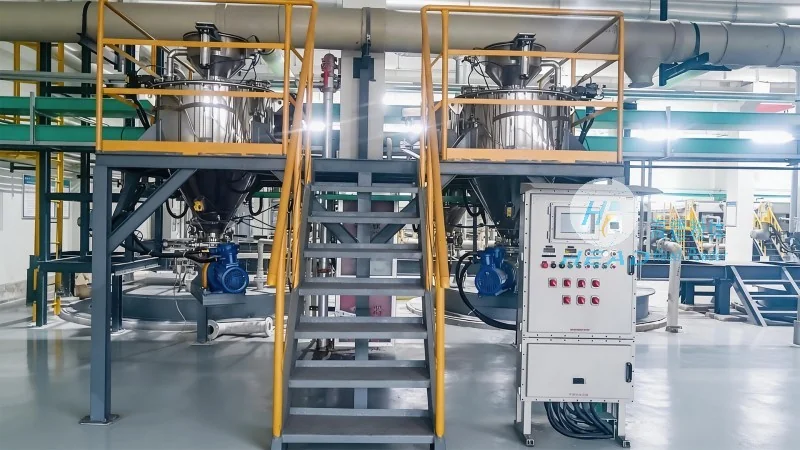
For applications requiring precise control over material flow and minimal environmental impact, negative pressure systems offer distinct benefits. Shandong HeadPowder Engineering Co., Ltd. offers advanced negative pressure solutions that integrate modern filtration and control technologies, ensuring optimal performance and compliance with environmental regulations. Their systems are designed to handle the specific characteristics of wheat, such as its density and moisture content, to maintain consistent conveying efficiency.
Comparison of Positive and Negative Pressure Modes
When selecting between positive and negative pressure pneumatic conveying systems for wheat handling, several factors must be considered. The distance and elevation of the conveying route are primary determinants. Positive pressure systems are typically more cost-effective for long-distance or high-elevation applications, while negative pressure systems are preferable for shorter distances or when multiple collection points are involved.
Operational costs also play a significant role. Positive pressure systems generally require more energy to maintain the high pressure, whereas negative pressure systems may have lower energy consumption but can be more expensive to install due to the need for robust vacuum pumps and filtration systems. Additionally, the nature of the wheat being handled—such as its moisture content, dust generation, and potential for caking—will influence the choice of system. For example, high-moisture wheat may require a system with better moisture control, which can be achieved through specialized filtration or material handling components.
Shandong HeadPowder Engineering Co., Ltd. provides comprehensive technical support to help clients evaluate these factors and choose the most appropriate system for their specific needs. Their team of engineers works closely with clients to analyze operational requirements, site conditions, and budget constraints, ensuring that the selected pneumatic conveying system delivers optimal performance and long-term value.
Key Considerations for Wheat Pneumatic Conveying
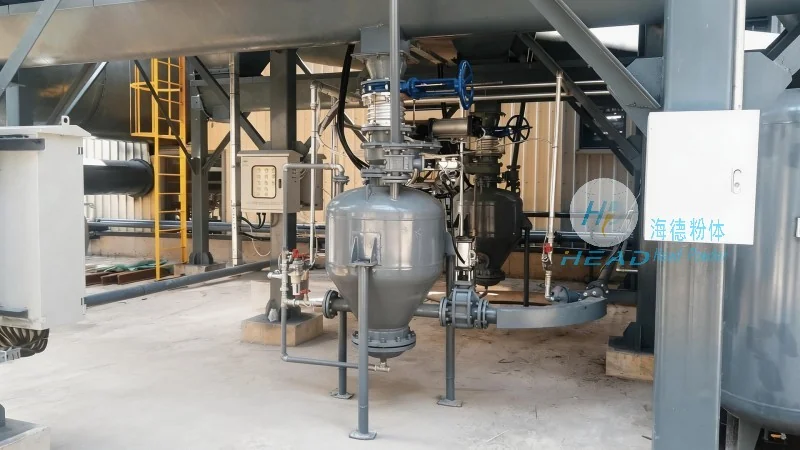
Implementing an effective wheat pneumatic conveying system involves more than just selecting the right pressure mode. Several key considerations must be addressed to ensure reliable operation and minimal maintenance. Material characteristics, such as particle size, density, and flowability, directly impact the system's design. Wheat, with its relatively uniform particle size and moderate density, is well-suited to pneumatic conveying, but variations in moisture content can affect flow characteristics and require adjustments to the system's air flow and pressure settings.
System design and layout are critical to the success of the conveying process. Proper sizing of the conveying line, air velocity, and pressure differentials ensures that the wheat moves efficiently without excessive wear on components. Additionally, the inclusion of features like cyclones, filters, and material separators helps to maintain system cleanliness and prevent blockages. Shandong HeadPowder Engineering Co., Ltd. incorporates these elements into their designs, ensuring that their systems are robust and adaptable to the unique challenges of wheat handling.
Maintenance and operational protocols are also essential for maximizing the lifespan and efficiency of pneumatic conveying systems. Regular cleaning of filters, inspection of pipe lines for wear or damage, and monitoring of air pressure and flow rates are routine tasks that prevent unexpected failures and ensure consistent performance. The company’s expertise in system maintenance and troubleshooting provides clients with the support needed to keep their equipment running smoothly.
Conclusion
Both positive and negative pressure pneumatic conveying systems offer viable solutions for wheat handling, each with its own set of advantages and limitations. The choice between the two depends on the specific operational requirements, including distance, elevation, and material characteristics. Shandong HeadPowder Engineering Co., Ltd. stands as a leading provider of customized pneumatic conveying solutions, leveraging their expertise in both positive and negative pressure technologies to deliver systems that meet the diverse needs of the grain processing industry. By focusing on efficiency, reliability, and customer support, the company ensures that clients achieve optimal performance and long-term success in their wheat handling operations.