

Analysis of Gravel Pneumatic Conveying Technology: Comparison of Positive and Negative Pressure Mode
Gravel pneumatic conveying technology has become a crucial method for material handling in various industrial applications. This technology involves transporting granular materials like gravel through a pipeline using air pressure. The core of this process lies in the selection of the appropriate conveying mode, with the most common approaches being positive pressure and negative pressure systems. Understanding the differences and characteristics of these two modes is essential for optimizing material transport efficiency and system performance.

Introduction to Gravel Pneumatic Conveying Systems
Gravel, as a widely used construction material, requires efficient and reliable transport solutions to meet the demands of modern construction and infrastructure projects. Pneumatic conveying systems offer a flexible and effective means of moving gravel from storage to processing or application sites. These systems are designed to handle the physical properties of gravel, such as particle size, density, and moisture content, while ensuring minimal material degradation and system maintenance. The choice of conveying mode significantly impacts the system's operational efficiency, energy consumption, and overall cost-effectiveness.
Positive Pressure Pneumatic Conveying Mode
Positive pressure conveying systems operate by generating high-pressure air at the material inlet, which forces the gravel particles through the pipeline. This mode is characterized by its ability to handle a wide range of particle sizes and material types, including abrasive materials like gravel. The system typically uses a blower or compressor to create the necessary pressure, ensuring that the material is propelled through the pipeline with sufficient velocity to overcome friction and gravitational forces. One of the key advantages of positive pressure systems is their high conveying capacity and ability to transport materials over long distances without significant pressure loss. However, these systems may require more robust equipment and higher energy input compared to negative pressure systems, which can impact operational costs.
Negative Pressure Pneumatic Conveying Mode
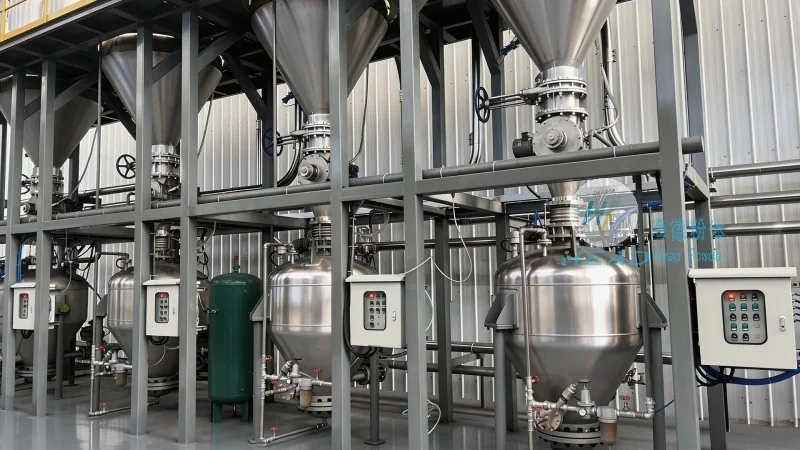
Negative pressure conveying systems, also known as vacuum systems, operate by creating a low-pressure environment at the material outlet, drawing the gravel particles into the pipeline. This mode is particularly suitable for applications where the material needs to be transported from a higher elevation to a lower one or where the system is integrated with existing ventilation infrastructure. The vacuum created by a fan or ejector pulls the material through the pipeline, ensuring that the material is drawn in without the need for high-pressure air at the inlet. A notable advantage of negative pressure systems is their lower energy consumption and reduced equipment complexity, making them more cost-effective for shorter conveying distances or specific material handling scenarios. However, these systems may have limitations in terms of conveying capacity and are more susceptible to blockages or material buildup within the pipeline.
Comparison of Positive and Negative Pressure Modes
When comparing positive and negative pressure pneumatic conveying modes for gravel transport, several factors need to be considered. Positive pressure systems generally offer higher conveying capacities and are better suited for long-distance or high-volume applications, making them ideal for large-scale construction projects. In contrast, negative pressure systems are more energy-efficient and suitable for shorter distances or applications where the material is already in a relatively clean state. The choice between the two modes also depends on the specific characteristics of the gravel, such as particle size distribution and moisture content, as well as the available infrastructure and operational constraints. For instance, abrasive gravel may require more durable equipment in positive pressure systems, while negative pressure systems may be preferred in environments where noise and air quality are critical considerations.
Key Considerations for System Design and Implementation
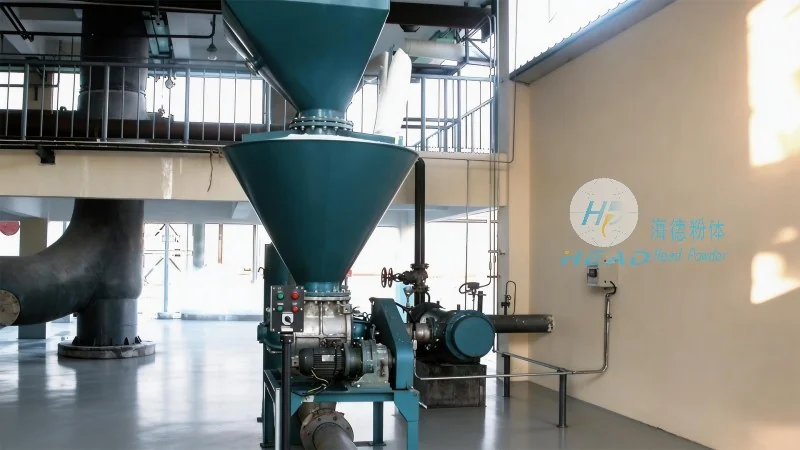
Designing an effective gravel pneumatic conveying system involves careful consideration of several technical and operational factors. The selection of the conveying mode is a critical decision that impacts the system's performance and cost. Positive pressure systems typically require larger and more powerful blowers or compressors, which can increase initial investment costs but may reduce long-term operational expenses due to higher efficiency. Negative pressure systems, on the other hand, may have lower initial costs but may incur higher energy costs over time. Additionally, the pipeline design, including diameter, length, and bends, plays a crucial role in determining the system's efficiency and material flow. Properly sized and designed pipelines minimize pressure loss and ensure consistent material transport. The use of appropriate filtration and separation equipment is also essential to prevent material buildup and maintain system performance. Regular maintenance and monitoring of the system are necessary to ensure optimal operation and to address any issues that may arise during material transport.
Applications and Industry Impact
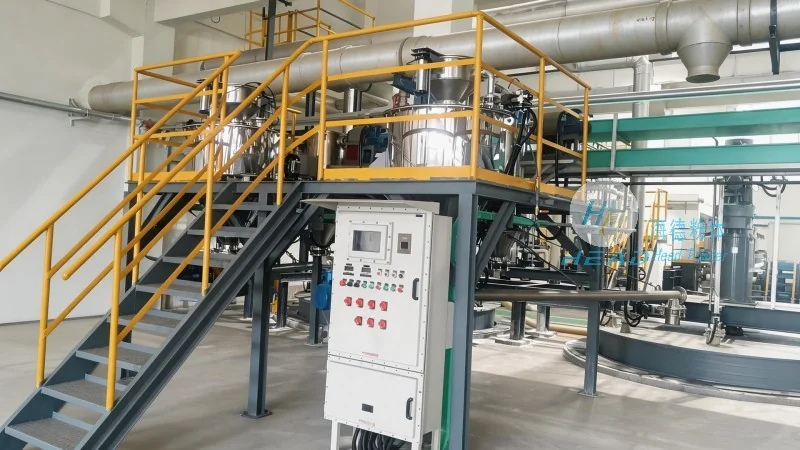
Gravel pneumatic conveying systems are widely used in various industries, including construction, mining, and manufacturing. In the construction sector, these systems are used to transport gravel from stockpiles to concrete mixing plants or to construction sites for road and building projects. The ability to handle large volumes of gravel efficiently reduces labor costs and improves project timelines. In the mining industry, pneumatic conveying is used to transport crushed gravel from processing facilities to storage or for further processing. The flexibility of these systems allows for integration with existing infrastructure, reducing the need for additional material handling equipment. Manufacturers of construction materials also benefit from pneumatic conveying systems, as they can streamline the production process and improve material quality control. The adoption of advanced pneumatic conveying technologies has contributed to increased productivity and reduced operational costs in these industries.
Conclusion
In conclusion, the selection of the appropriate pneumatic conveying mode—positive or negative—for gravel transport is a critical decision that impacts system efficiency, cost, and performance. Positive pressure systems offer high conveying capacities and are suitable for long-distance applications, while negative pressure systems provide energy efficiency and are ideal for shorter distances or specific material handling scenarios. The choice between the two modes should be based on a thorough analysis of the material characteristics, operational requirements, and available infrastructure. By carefully considering these factors and implementing appropriate system design and maintenance strategies, industries can optimize their material handling processes and achieve improved operational efficiency. As technology continues to advance, the development of more efficient and reliable pneumatic conveying systems will further enhance the performance of gravel transport in various industrial applications.