

Analysis of Pneumatic Conveying Technology for Flake Graphite Powder: Comparison of Positive and Neg
Flake graphite powder, a critical material in various industrial applications, requires efficient and reliable transport methods to ensure optimal performance and process efficiency. Pneumatic conveying technology has emerged as a preferred solution for handling such powders, offering advantages in terms of cleanliness, safety, and process integration. This article provides a detailed analysis of pneumatic conveying systems for flake graphite powder, focusing on the comparison between positive pressure and negative pressure modes.
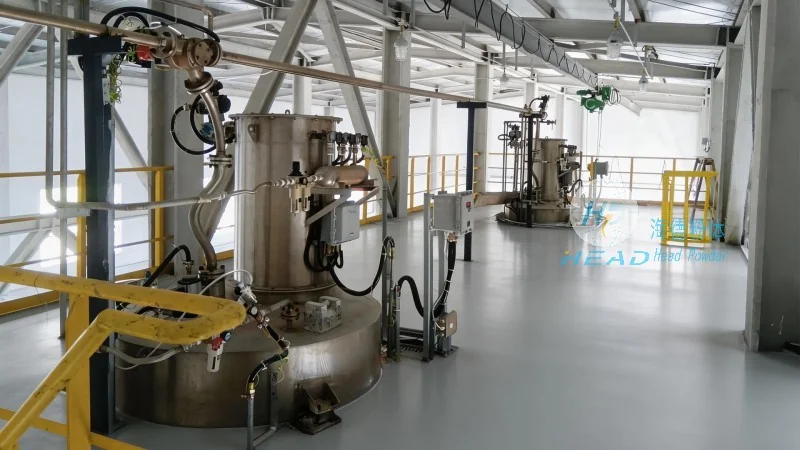
Company Profile: Shandong HeadPowder Engineering Co., Ltd.
Shandong HeadPowder Engineering Co., Ltd., a leading manufacturer in the field of powder handling and conveying systems, specializes in providing customized solutions for various industrial applications. With a strong commitment to quality and innovation, the company has established itself as a trusted partner for businesses seeking efficient and reliable pneumatic conveying systems. HeadPowder's expertise lies in designing and manufacturing advanced systems tailored to the unique requirements of flake graphite powder handling, ensuring optimal performance and durability.
Understanding Pneumatic Conveying Systems
Pneumatic conveying systems utilize air or gas to transport bulk materials like flake graphite powder through a pipeline. The technology offers several benefits, including the ability to handle materials in a closed system, reducing dust emissions and improving workplace safety. Additionally, pneumatic conveying allows for precise control over material flow, enabling seamless integration with downstream processes. There are primarily two types of pneumatic conveying systems: positive pressure and negative pressure, each with distinct characteristics and applications.
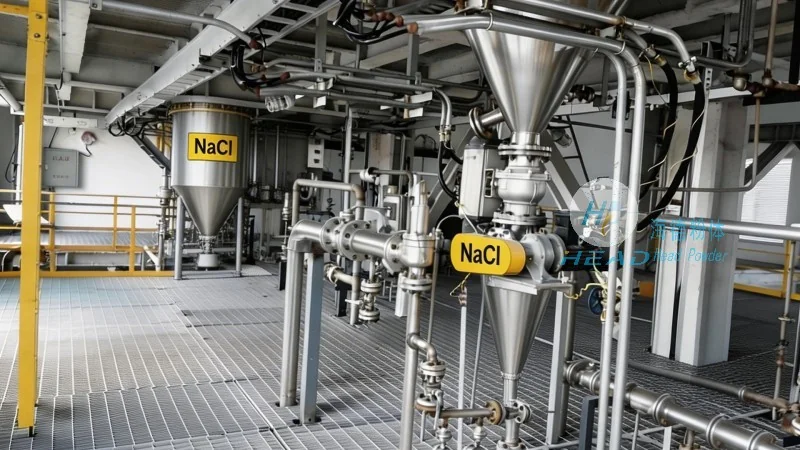
Positive Pressure Pneumatic Conveying Systems
Positive pressure systems operate by blowing air or gas into the conveying line, creating a pressure higher than the ambient air pressure. This method is commonly used for transporting flake graphite powder over longer distances or through complex pipeline networks. The positive pressure system ensures that the material is continuously pushed through the pipeline, minimizing the risk of blockages and ensuring consistent flow rates. HeadPowder's positive pressure systems are designed with robust components, including high-efficiency blowers and durable pipelines, to handle the abrasive nature of flake graphite powder. The system's design allows for easy maintenance and cleaning, ensuring long-term operational reliability. Positive pressure conveying is particularly suitable for applications where the material needs to be transported to multiple destinations or integrated with existing production lines.
Negative Pressure Pneumatic Conveying Systems
Negative pressure systems, also known as vacuum conveying, operate by creating a vacuum in the conveying line, drawing the material into the system. This method is often preferred for shorter transport distances or when the material needs to be collected from multiple points. The negative pressure system is effective in handling fine powders and can be more energy-efficient for shorter distances. However, it may be less suitable for long-distance transport due to potential issues with material buildup and system maintenance. HeadPowder's negative pressure systems are equipped with advanced vacuum pumps and filtration systems to ensure efficient material collection and transport. The design focuses on minimizing air leakage and maintaining consistent vacuum levels, which is crucial for reliable operation. Negative pressure conveying is ideal for applications where the material is collected from a hopper or a storage bin and needs to be transported to a processing unit.
Comparison of Positive and Negative Pressure Modes
When selecting a pneumatic conveying system for flake graphite powder, it is essential to compare the characteristics of positive and negative pressure modes to determine the most suitable option. Positive pressure systems are generally more suitable for long-distance transport and complex pipeline configurations, offering higher flow rates and better control over material handling. They are also more resistant to material blockages and can handle abrasive materials like flake graphite powder more effectively. On the other hand, negative pressure systems are more energy-efficient for shorter distances and are easier to install in existing facilities. They are particularly effective for collecting materials from multiple points and transporting them to a central processing unit. The choice between the two modes depends on factors such as the distance of transport, the complexity of the pipeline network, the material properties, and the specific requirements of the application. HeadPowder's expertise allows for the design of customized systems that can be optimized for either positive or negative pressure operation, ensuring the best performance for each individual application.

Key Considerations for Pneumatic Conveying of Flake Graphite Powder
Several factors need to be considered when implementing a pneumatic conveying system for flake graphite powder. The first is the material's properties, including its particle size, density, and abrasiveness. Flake graphite powder typically has a high density and can be abrasive, requiring systems with durable components and efficient filtration. The second consideration is the transport distance and pipeline configuration. Longer distances may necessitate positive pressure systems with higher pressure capabilities, while shorter distances can be handled by negative pressure systems. The third factor is the need for material handling efficiency and process integration. The system should be designed to minimize downtime, reduce maintenance costs, and integrate seamlessly with existing production lines. HeadPowder's engineers work closely with clients to assess these factors and design systems that meet their specific requirements, ensuring optimal performance and cost-effectiveness.
Conclusion
Pneumatic conveying technology offers an efficient and reliable solution for transporting flake graphite powder, with positive and negative pressure modes providing distinct advantages depending on the application requirements. HeadPowder Engineering Co., Ltd., with its expertise in powder handling systems, provides customized solutions that cater to the unique needs of flake graphite powder processing. By understanding the characteristics of both positive and negative pressure systems and considering factors such as transport distance and material properties, businesses can select the most suitable pneumatic conveying system to enhance their operational efficiency and product quality. With a strong commitment to quality and innovation, HeadPowder continues to lead in the development of advanced pneumatic conveying systems for the flake graphite industry.