

Analysis of Nanoparticle Calcium Carbonate Pneumatic Conveying Technology: Comparison of Positive an
Understanding the optimal pneumatic conveying system for nanoparticle calcium carbonate is crucial for industrial efficiency and material handling. Among the various methods available, the choice between positive pressure and negative pressure systems significantly impacts operational performance, cost, and material integrity. This article provides a detailed analysis of these two modes, highlighting their characteristics, advantages, and practical applications in the context of nanoparticle calcium carbonate transportation.
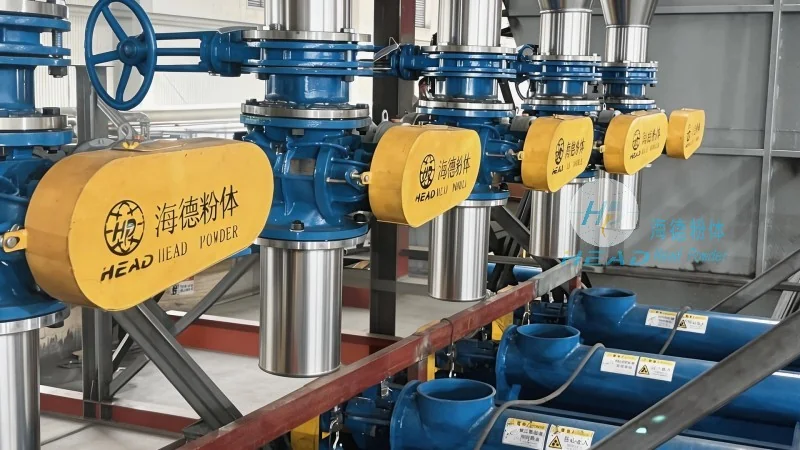
Introduction to Pneumatic Conveying for Nanoparticle Calcium Carbonate
Pneumatic conveying is a widely used technique for transporting bulk materials, including fine powders like nanoparticle calcium carbonate, through a pipeline using air or gas as the conveying medium. This method offers several advantages over traditional mechanical conveying, such as reduced equipment wear, lower maintenance costs, and the ability to handle materials that are difficult to transport by other means. The core of pneumatic conveying lies in the pressure differential created between the conveying line and the ambient environment, which drives the material flow. Two primary modes of operation are commonly employed: positive pressure and negative pressure systems.
Positive Pressure Pneumatic Conveying Systems
Positive pressure systems operate by blowing air or gas into the conveying line, creating a pressure higher than the ambient pressure. This pressurized air pushes the material through the pipeline, ensuring a continuous and reliable flow. In the context of nanoparticle calcium carbonate, positive pressure systems are particularly effective for transporting materials over long distances or through complex network configurations. The high pressure ensures that the fine particles remain suspended and do not settle, which is critical for maintaining material quality and preventing blockages in the pipeline.
A key advantage of positive pressure systems is their ability to handle a wide range of particle sizes and moisture contents. The pressurized air helps to break up agglomerates and keep the particles in suspension, reducing the risk of clogging. Additionally, these systems are generally more robust and easier to maintain, as they do not require complex vacuum equipment. However, positive pressure systems may require more energy to operate, especially when transporting large volumes of material over extended distances. The increased air flow and pressure can also lead to higher operational costs and potential environmental concerns if not managed properly.
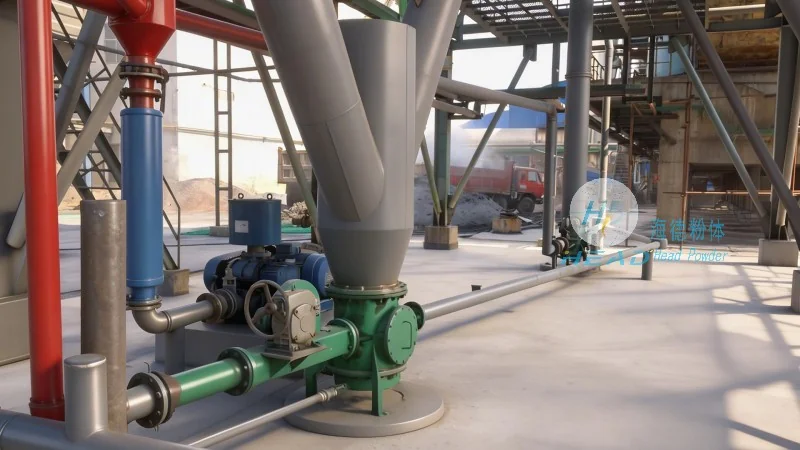
Negative Pressure Pneumatic Conveying Systems
Conversely, negative pressure systems create a vacuum in the conveying line, drawing the material from the source into the pipeline. The ambient air is drawn into the system, carrying the material particles along with it. For nanoparticle calcium carbonate, negative pressure systems are often preferred for short-distance or localized transportation, where the material is sourced from a nearby hopper or storage silo. The vacuum created in the line ensures that the material is drawn efficiently without the need for high-pressure air, reducing energy consumption and operational costs.
One of the primary benefits of negative pressure systems is their lower energy requirements compared to positive pressure systems. The vacuum is generated by a fan or blower that operates at a lower pressure, making it more energy-efficient for short-distance conveying. This makes negative pressure systems an attractive option for applications where the material is located close to the processing plant. However, negative pressure systems are more susceptible to dust emissions and require careful sealing to prevent air leakage. The vacuum also means that the system is more prone to clogging if the material contains moisture or agglomerates, as the fine particles may settle and block the pipeline.
Comparison of Positive and Negative Pressure Modes for Nanoparticle Calcium Carbonate
When evaluating the suitability of positive versus negative pressure systems for nanoparticle calcium carbonate, several factors must be considered. The most critical factor is the distance and complexity of the conveying route. Positive pressure systems are generally more suitable for long-distance or complex network applications, as they can maintain consistent pressure and material flow over extended pipelines. Negative pressure systems, on the other hand, are better suited for short-distance or simple line configurations, where the material is transported from a nearby source.
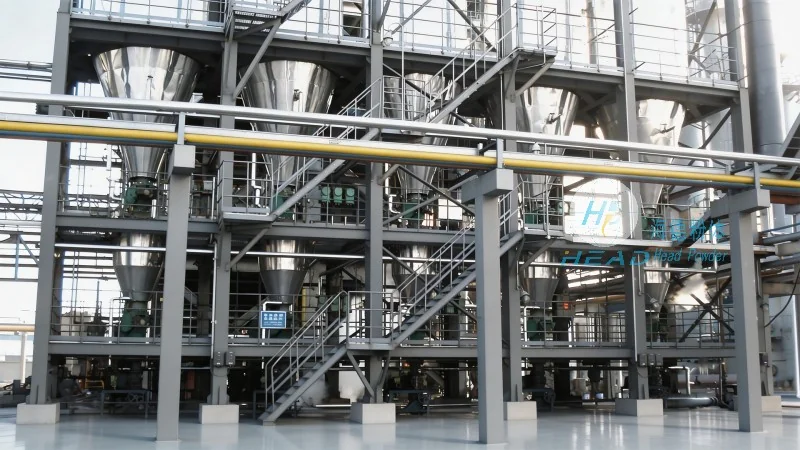
Another important consideration is the material characteristics of the nanoparticle calcium carbonate. Positive pressure systems excel in handling materials with high moisture content or agglomerates, as the pressurized air helps to break up these structures and keep the particles in suspension. Negative pressure systems may struggle with such materials, as the vacuum can cause the particles to settle and clog the pipeline. Additionally, the cost of operation plays a significant role. Positive pressure systems typically require more energy and higher maintenance costs due to the need for high-pressure air, while negative pressure systems are more energy-efficient but may incur higher costs related to sealing and dust control.
Practical Applications and Recommendations
For industrial applications involving nanoparticle calcium carbonate, the choice between positive and negative pressure systems should be based on a thorough analysis of the specific requirements. In many cases, a combination of both systems may be used to optimize material flow and minimize costs. For example, a positive pressure system can be used to transport the material from a central storage facility to a processing plant over a long distance, while a negative pressure system is employed for the final short-distance transport to the production line.
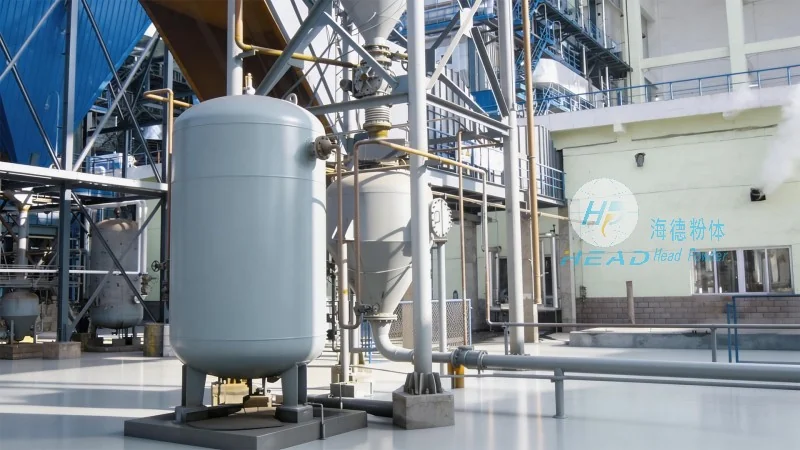
Shandong HeadPowder Engineering Co., Ltd., a leading provider of pneumatic conveying solutions, offers customized systems tailored to the unique needs of each application. With years of experience in the industry, the company specializes in designing and implementing both positive and negative pressure systems for nanoparticle calcium carbonate transportation. By leveraging advanced technology and engineering expertise, HeadPowder ensures that its systems are efficient, reliable, and cost-effective, meeting the demands of modern industrial operations.
The company’s approach to system design emphasizes the importance of understanding the material properties and operational constraints. By conducting detailed assessments of the conveying route, material characteristics, and energy requirements, HeadPowder engineers can recommend the most appropriate system configuration. This includes selecting the right type of air or gas, determining the optimal pressure levels, and ensuring proper sealing and filtration to maintain material quality and prevent environmental contamination.
Conclusion
In conclusion, the choice between positive and negative pressure pneumatic conveying systems for nanoparticle calcium carbonate depends on a range of factors, including distance, material characteristics, and operational costs. Positive pressure systems offer robustness and reliability for long-distance or complex applications, while negative pressure systems provide energy efficiency for short-distance transport. By carefully evaluating these factors and leveraging the expertise of companies like Shandong HeadPowder Engineering Co., Ltd., industrial operators can select the most suitable system to optimize their material handling processes and enhance overall productivity.