

Comparison of Advantages and Disadvantages of Negative Pressure and Positive Pressure Conveying for
When it comes to the transportation of coal powder, selecting the right conveying method is crucial for ensuring efficiency, safety, and cost-effectiveness. Two primary approaches are widely used: negative pressure conveying and positive pressure conveying. Each method has its own set of advantages and disadvantages, which can significantly impact the overall performance of the system. This article provides a detailed comparison of these two methods, helping to inform the decision-making process for industries relying on coal powder handling.
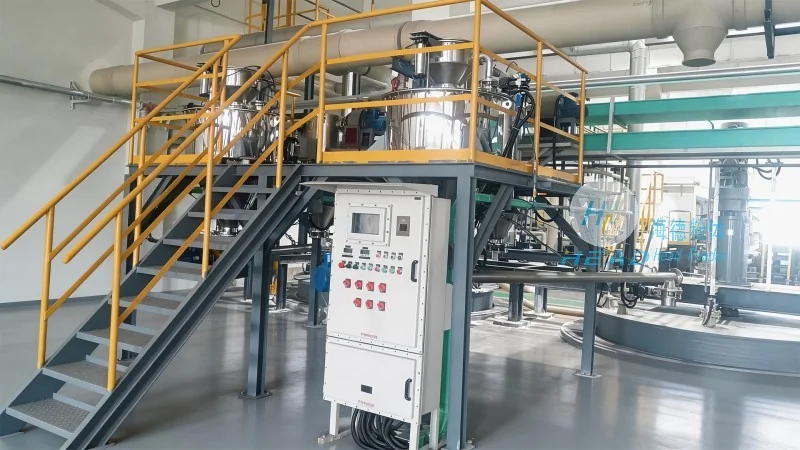
Introduction to Coal Powder Conveying Methods
Coal powder is a fine particulate material that requires specialized handling due to its dustiness and potential for explosion hazards. Conveying systems are designed to transport this material from one location to another while maintaining safety and operational efficiency. The choice between negative pressure and positive pressure conveying depends on factors such as the distance of transport, the amount of material to be moved, and the specific requirements of the application.
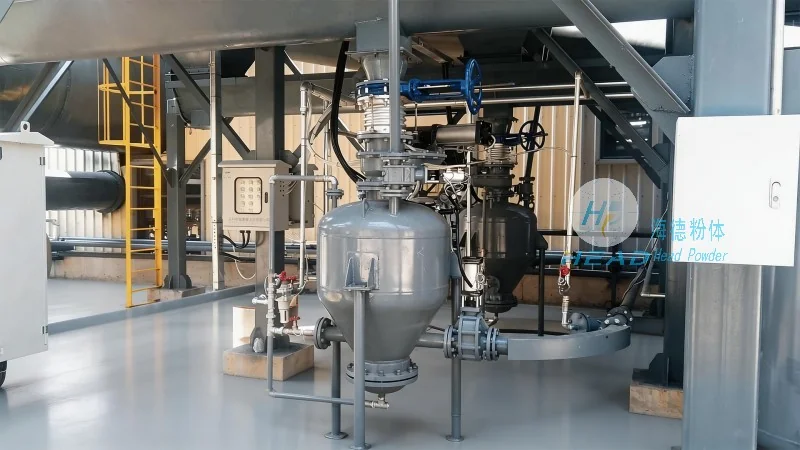
Company Profile: Shandong HeadPowder Engineering Co., Ltd.
HeadPowder, a leading provider of coal powder handling solutions, specializes in designing and manufacturing advanced conveying systems. With a strong presence in China, particularly in Shandong, the company has established itself as a trusted partner for industries seeking reliable and efficient coal powder transportation solutions. HeadPowder's expertise lies in customizing systems to meet the unique needs of clients, ensuring optimal performance and safety in coal powder handling operations.
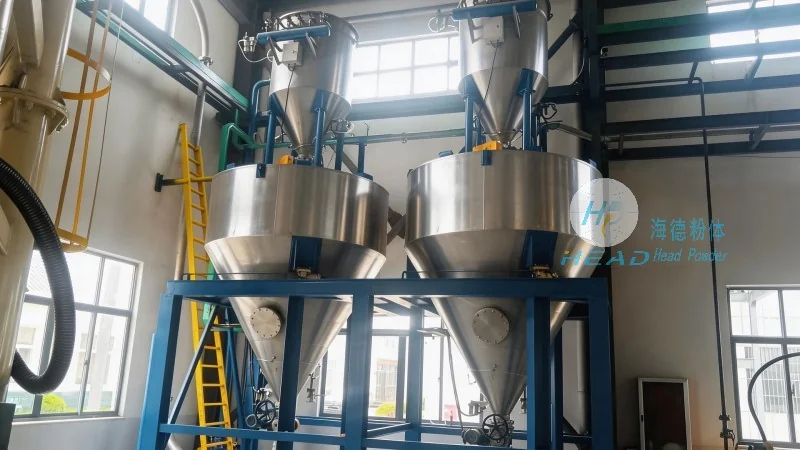
Negative Pressure Conveying: How It Works and Its Key Features
Negative pressure conveying, also known as suction conveying, operates by creating a vacuum in the system to draw the coal powder from the source to the destination. This method is particularly effective for short to medium distances and when the material needs to be transported from multiple points to a central collection point. The system typically consists of a suction fan, a conveying line, and a collection hopper. The key advantage of negative pressure conveying is its ability to handle fine powders without the need for high-pressure air, reducing the risk of dust dispersion and explosion.
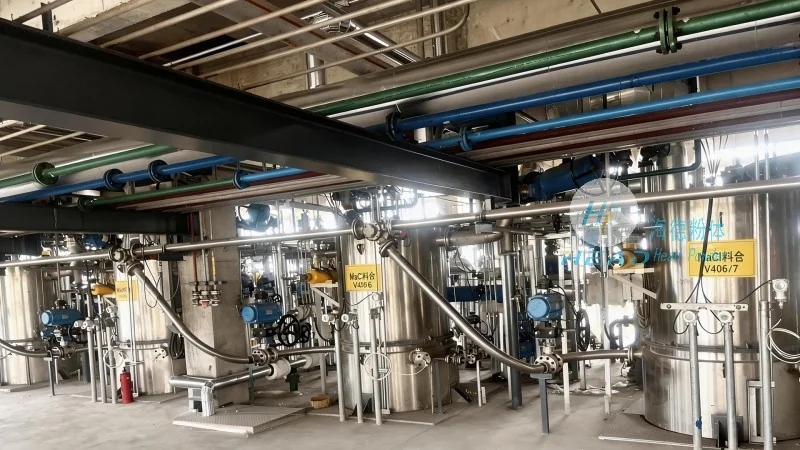
One of the main benefits of negative pressure systems is their lower energy consumption compared to positive pressure systems. By using a vacuum to draw material, the system requires less power to operate, leading to cost savings over time. Additionally, negative pressure conveying is less likely to cause material degradation due to the lower air velocity inside the conveying line. This makes it suitable for transporting sensitive coal powders that could be damaged by high-speed air flow.