

Advantages and Disadvantages Comparison of Negative Pressure and Positive Pressure Pneumatic Conveyi
High-alumina fly ash, a byproduct of coal combustion, is widely utilized in construction materials, cement production, and other industrial sectors. The efficient and reliable transportation of this material is critical for industrial operations. Pneumatic conveying systems, which utilize air to transport bulk materials, are a common solution for handling high-alumina fly ash. Two primary methods exist: negative pressure (suction) conveying and positive pressure (blowing) conveying. This article provides a detailed comparison of the advantages and disadvantages of these two approaches, aiding industrial operators in making informed decisions about their material handling systems.
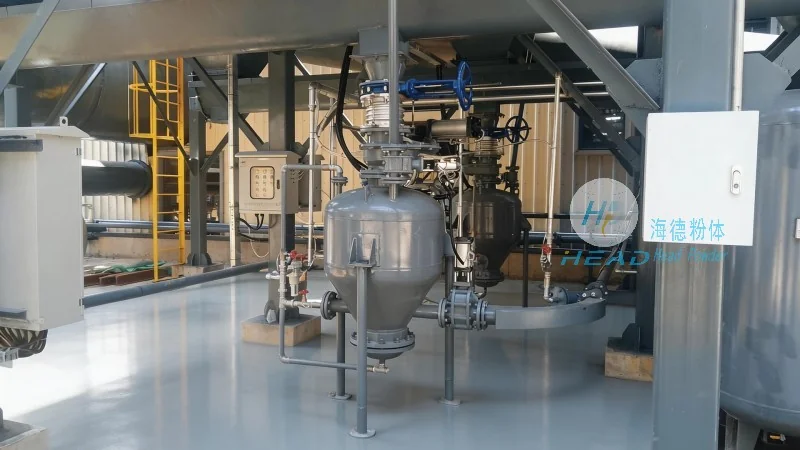
About Shandong HeadPowder Engineering Co., Ltd.
Shandong HeadPowder Engineering Co., Ltd., a leading provider of pneumatic conveying solutions, specializes in designing and manufacturing systems tailored to the unique needs of high-alumina fly ash applications. With years of experience in the industry, HeadPowder offers comprehensive services, including system design, installation, and maintenance, ensuring optimal performance and longevity of pneumatic conveying equipment. The company's commitment to quality and customer satisfaction has made it a trusted partner for businesses seeking reliable material handling solutions.
Negative Pressure (Suction) Pneumatic Conveying: Advantages and Disadvantages
Negative pressure conveying, also known as suction conveying, operates by creating a low-pressure environment at the material inlet, drawing the material into the conveying line using a vacuum pump. This method is particularly suitable for applications where the material is to be transported from multiple sources or over long distances, as it can handle multiple inlets and maintain a consistent flow. One of the key advantages of negative pressure conveying is its ability to handle fine powders and dust without causing excessive wear on the system components. The low air velocity required for suction conveying also reduces the risk of material degradation and dust dispersion, making it an environmentally friendly option. Additionally, negative pressure systems are generally more energy-efficient compared to positive pressure systems, as they require less power to operate.
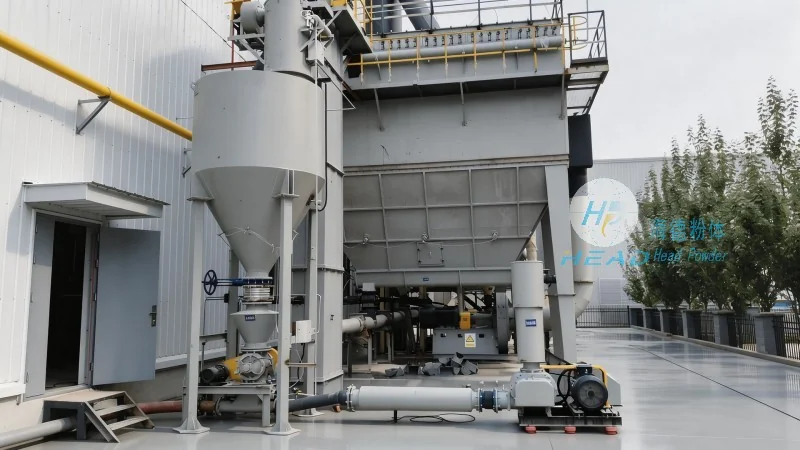
However, negative pressure conveying also has several drawbacks. The primary disadvantage is its limited conveying distance and capacity. Due to the low pressure differential, the system can only transport materials over short to medium distances, typically up to a few hundred meters. This limitation makes it unsuitable for long-distance transportation of high-alumina fly ash. Another challenge is the potential for air leakage and system inefficiencies, which can lead to material loss and increased energy consumption. Furthermore, negative pressure systems are more susceptible to blockages and clogging, especially when handling sticky or cohesive materials like high-alumina fly ash. Regular maintenance and cleaning are required to prevent system downtime and ensure smooth operation.
Positive Pressure (Blowing) Pneumatic Conveying: Advantages and Disadvantages
Positive pressure conveying, or blowing conveying, works by generating high-pressure air at the material inlet, pushing the material through the conveying line using a blower or compressor. This method is ideal for long-distance transportation and high-capacity applications, as it can handle materials over longer distances and in larger quantities. One of the main advantages of positive pressure conveying is its ability to transport materials over extended distances, often up to several kilometers, making it suitable for industrial plants with multiple processing units. The high air velocity also helps to prevent material settling and clogging in the conveying line, reducing the risk of blockages. Additionally, positive pressure systems are generally more reliable and less prone to system failures compared to negative pressure systems, as they do not rely on maintaining a consistent vacuum.
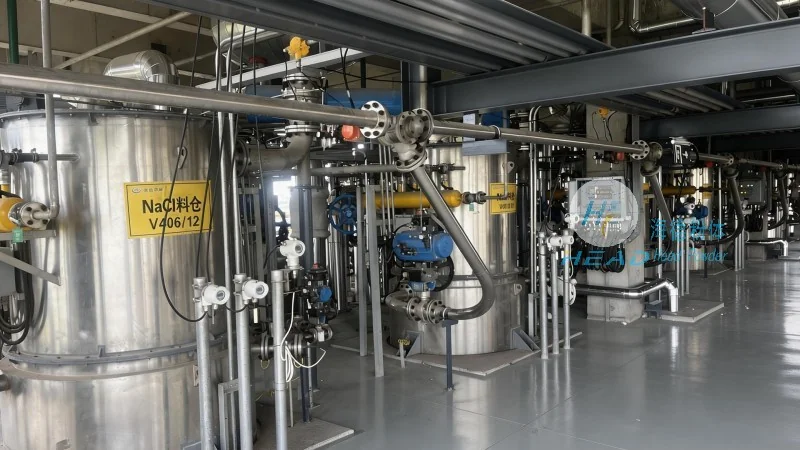
Nevertheless, positive pressure conveying has its own set of disadvantages. The primary drawback is its higher energy consumption compared to negative pressure systems. The need to generate high-pressure air requires more power, increasing operational costs. Another challenge is the potential for material degradation and dust dispersion, especially when handling sensitive materials like high-alumina fly ash. The high air velocity can cause abrasion and wear on the system components, leading to increased maintenance and replacement costs. Furthermore, positive pressure systems are more susceptible to air leaks and pressure fluctuations, which can affect the material flow and system performance. Proper sealing and regular maintenance are essential to ensure the system operates efficiently and safely.
Choosing the Right Pneumatic Conveying System for High-Alumina Fly Ash
When selecting a pneumatic conveying system for high-alumina fly ash, industrial operators must consider several factors, including the distance of transportation, material characteristics, and operational costs. Negative pressure conveying is a suitable option for short to medium-distance applications where fine powders and dust are involved, and energy efficiency is a priority. However, for long-distance transportation and high-capacity requirements, positive pressure conveying is the preferred choice due to its ability to handle larger volumes and longer distances. The choice between the two methods also depends on the specific application and the type of high-alumina fly ash being handled. For example, if the material is sticky or cohesive, positive pressure conveying may be more effective in preventing blockages. Conversely, if the material is fine and requires minimal degradation, negative pressure conveying may be the better option.
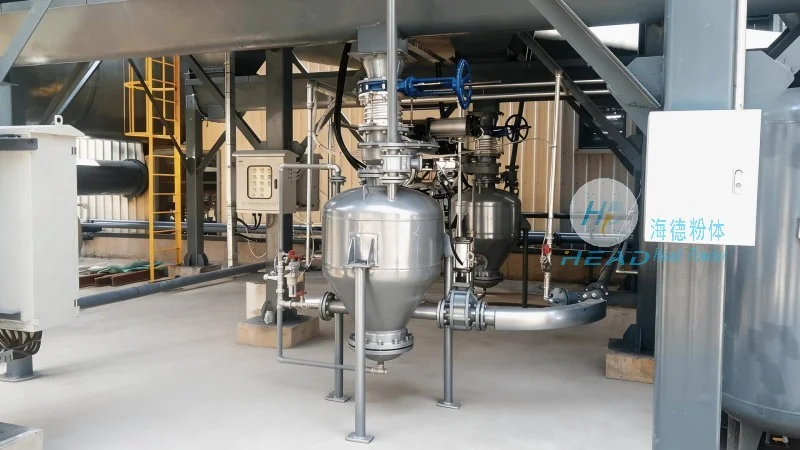
Ultimately, the decision between negative pressure and positive pressure pneumatic conveying for high-alumina fly ash depends on a careful evaluation of the advantages and disadvantages of each method. Industrial operators should consult with experienced engineers and manufacturers, such as Shandong HeadPowder Engineering Co., Ltd., to determine the most suitable system for their specific needs. By considering factors such as distance, material properties, and energy efficiency, businesses can select a pneumatic conveying system that maximizes performance, reduces costs, and ensures the safe and reliable transportation of high-alumina fly ash.
Conclusion and Company Information
Shandong HeadPowder Engineering Co., Ltd. provides comprehensive pneumatic conveying solutions tailored to the unique requirements of high-alumina fly ash applications. With a focus on quality, reliability, and customer satisfaction, HeadPowder offers expert design, installation, and maintenance services to ensure optimal performance of pneumatic conveying systems. Whether you need a negative pressure or positive pressure system, HeadPowder's team of engineers can help you select the right solution for your industrial operations. Contact HeadPowder today to learn more about their pneumatic conveying systems and how they can enhance your material handling processes.