

Advantages and Disadvantages of Negative Pressure and Positive Pressure Conveying for Micronized Pow
When it comes to the pneumatic transport of micronized powders, selecting the right conveying method is crucial for efficiency, safety, and operational costs. Two primary approaches dominate the industry: negative pressure conveying and positive pressure conveying. Each method has its own set of advantages and disadvantages, which can significantly impact the overall performance of a powder handling system. This article provides a detailed comparison of these two techniques, focusing on their applications, operational characteristics, and key considerations for different industrial scenarios.
Understanding Negative Pressure Conveying
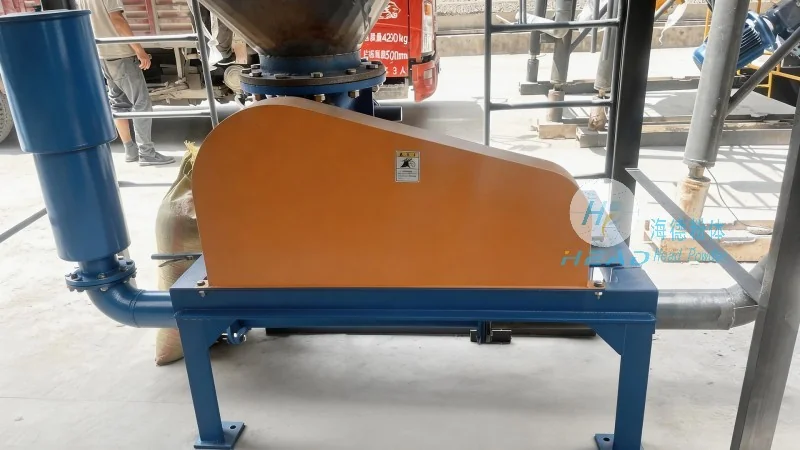
Negative pressure conveying, also known as suction conveying, operates by creating a vacuum at the material inlet to draw the powder into the system. The system uses a fan or blower to generate a low-pressure environment, which pulls the powder from the source into the transport line. This method is particularly effective for handling powders that are prone to dust generation or require a closed system to prevent contamination. The primary advantage of negative pressure conveying is its ability to handle powders with high moisture content or those that are sensitive to air exposure, as the material is drawn into the system rather than being forced out. Additionally, it can be more energy-efficient for short to medium distances, as the vacuum created reduces the need for high-pressure air. However, negative pressure systems may face challenges with high-particle loadings, as the vacuum can lead to reduced conveying velocity and increased risk of blockages. The system also requires careful maintenance to prevent dust leakage and ensure consistent performance.
Understanding Positive Pressure Conveying
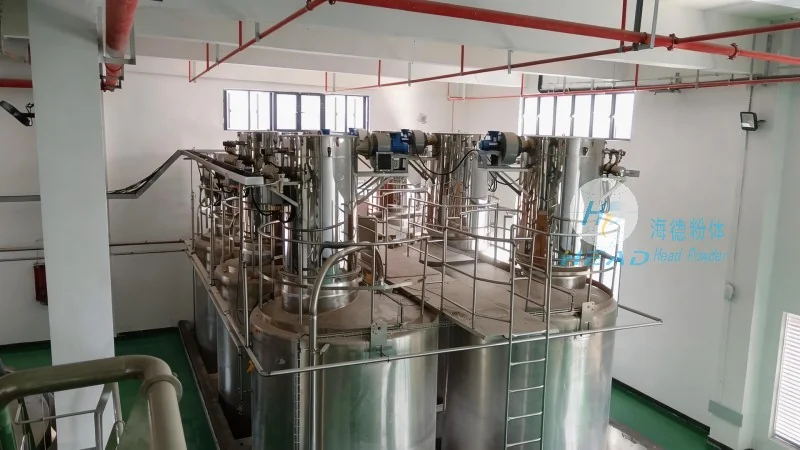
Positive pressure conveying, or pressure conveying, works by blowing air or a carrier gas into the material to push it through the transport line. The system uses a high-pressure blower or compressor to generate the necessary pressure, which forces the powder from the source into the pipeline. This method is ideal for applications requiring high conveying rates, long distances, or when handling abrasive or heavy powders. The main advantage of positive pressure conveying is its ability to handle high particle loads and long distances with minimal pressure drop. It also allows for better control over the material flow, as the pressure can be adjusted to match the specific requirements of the powder. However, positive pressure systems are generally more energy-intensive, especially for long-distance transport, as they require higher air pressures to maintain flow. Additionally, they may be less suitable for powders that are sensitive to air exposure or have high moisture content, as the forced air can cause degradation or clumping. The system also demands robust equipment to withstand the higher pressures and potential wear from abrasive materials.
Key Differences and Performance Metrics
Several critical factors differentiate negative and positive pressure conveying systems. One of the most significant is the direction of air flow and its effect on the material. In negative pressure, the air is drawn into the system, which can help in maintaining a clean environment by preventing dust from escaping. In contrast, positive pressure forces air out, which may require additional filtration to prevent dust contamination in the surrounding area. The energy consumption is another key metric. Negative pressure systems typically consume less energy for short distances but may require more maintenance to maintain the vacuum. Positive pressure systems, while more energy-intensive, offer better efficiency for long-distance transport due to the higher pressure driving the material. The material handling capacity also varies; positive pressure can handle larger volumes and higher particle loads, making it suitable for bulk material transport, whereas negative pressure is often used for smaller quantities or when the material is more delicate.
Application Considerations for Micronized Powders
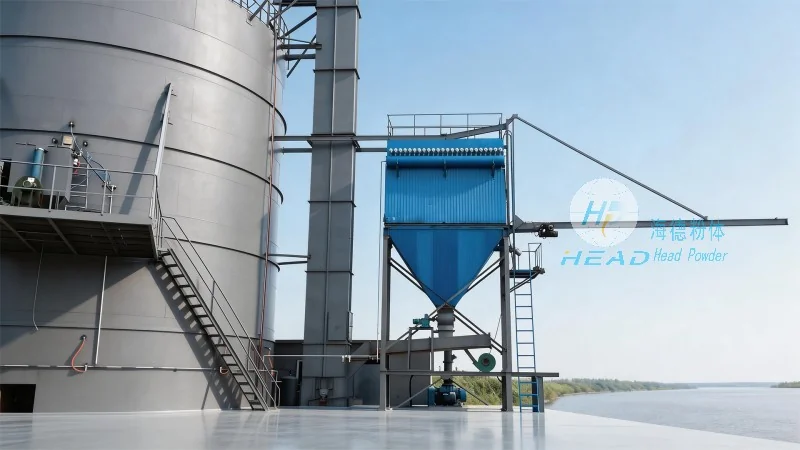
The choice between negative and positive pressure conveying depends heavily on the specific characteristics of the micronized powder being handled. For powders that are hygroscopic or sensitive to air, negative pressure conveying is often preferred to minimize exposure and maintain quality. Conversely, for abrasive or heavy micronized powders that need to be transported over long distances, positive pressure conveying may be the better option due to its ability to handle higher loads and pressures. The system design also plays a role; negative pressure systems are typically simpler in terms of piping and equipment, but require careful sealing to prevent leaks. Positive pressure systems, while more complex, offer greater flexibility in terms of distance and load capacity. Ultimately, the decision should be based on a thorough analysis of the powder's properties, the required transport distance, and the operational constraints of the facility.