

Silica Sand Positive Pressure and Negative Pressure Conveying: A Comparative Analysis of Two Pneumat
HeadPowder, a leading engineering company based in Shandong, China, specializes in the design and implementation of advanced material handling solutions. In this article, we delve into the comparative analysis of positive pressure and negative pressure pneumatic conveying systems, focusing specifically on their application in silica sand transport. Understanding the nuances between these two methods is crucial for optimizing material flow efficiency, reducing operational costs, and ensuring system reliability in industrial settings.
Introduction to Pneumatic Conveying Systems
Pneumatic conveying is a widely used technique for transporting bulk materials like silica sand through a pipeline using air or gas as the conveying medium. The two primary methods—positive pressure and negative pressure—differ significantly in their operational principles, system design, and suitability for various industrial applications. This section provides an overview of both approaches, laying the foundation for a detailed comparison.
Positive Pressure Pneumatic Conveying
Positive pressure systems operate by blowing air or gas into the conveying line, creating a pressure higher than the ambient air pressure. This method is particularly effective for transporting materials over long distances or through complex networked pipelines. The primary advantages of positive pressure conveyance include high conveying capacity, ability to handle abrasive materials without excessive wear, and the capacity to transport materials against gravity in certain configurations. HeadPowder’s expertise in designing positive pressure systems ensures that clients receive tailored solutions that maximize material throughput while minimizing energy consumption. For silica sand applications, positive pressure systems are often preferred when dealing with large volumes or when the material needs to be transported to elevated storage locations.
Negative Pressure Pneumatic Conveying
Negative pressure systems, also known as vacuum or suction conveying, work by creating a vacuum in the conveying line, drawing material from the source into the pipeline. This approach is ideal for applications requiring gentle material handling, such as transporting delicate or fine powders that could be damaged by high-velocity air streams. Negative pressure systems are particularly effective for short to medium-distance transport and for handling materials that are prone to dust generation or require containment to prevent environmental contamination. HeadPowder’s negative pressure conveying solutions are engineered to maintain consistent vacuum levels, ensuring efficient material collection and transport while minimizing air leakage and energy loss. In silica sand operations, negative pressure systems are commonly used in scenarios where the material is sourced from a hopper or silo and needs to be transported to a processing unit without the need for high-pressure air.
Key Differences and Performance Metrics
When comparing positive and negative pressure pneumatic conveying for silica sand, several critical factors come into play. These include system pressure requirements, energy consumption, material handling capacity, and the impact on material quality. Positive pressure systems typically require higher energy input due to the need to generate and maintain elevated air pressure, but they offer higher throughput rates and the ability to handle larger particle sizes. Negative pressure systems, while consuming less energy, may have lower conveying capacities and are more susceptible to clogging if the material is too fine or has high moisture content. HeadPowder’s engineers conduct thorough performance analyses to determine the optimal system for each client’s specific silica sand characteristics and operational needs. This includes evaluating factors such as particle size distribution, moisture content, and the desired conveying distance to recommend the most efficient and cost-effective solution.
System Design and Components
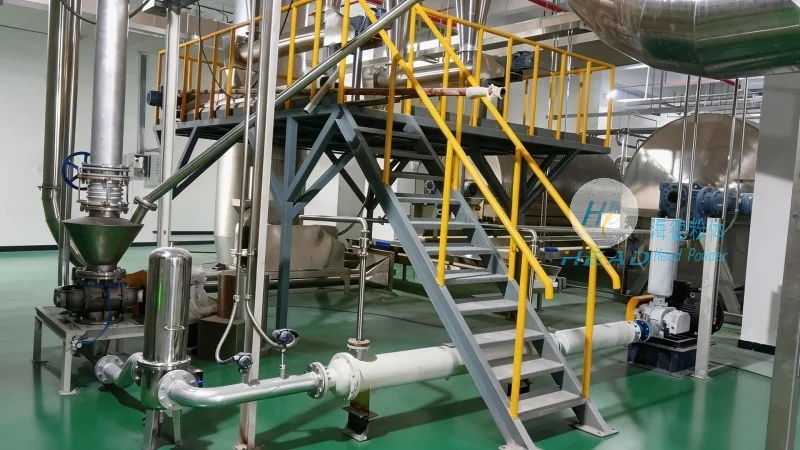
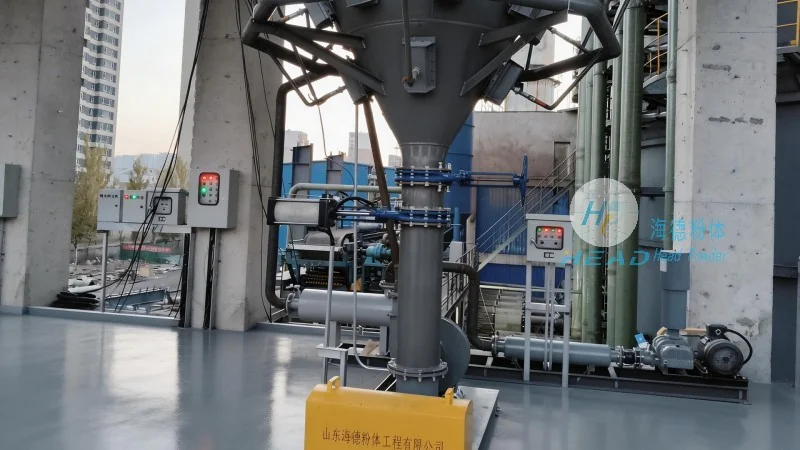
The design of both positive and negative pressure conveying systems involves key components that ensure reliable operation. For positive pressure systems, these typically include a blower, material feeders, conveying lines, and dust collectors. The blower provides the necessary pressure to move the material, while the feeder controls the flow rate to maintain consistent system performance. Conveying lines are often made of corrosion-resistant materials like stainless steel to withstand the abrasive nature of silica sand. Dust collectors are integrated to capture and recycle any material that may escape the system, improving overall efficiency and safety. In negative pressure systems, the primary components are a vacuum pump, material collection hoppers, and suction lines. The vacuum pump creates the suction force, and the collection hoppers are designed to trap the material efficiently. HeadPowder’s design philosophy emphasizes the use of high-quality, durable components that are specifically selected for silica sand applications, ensuring long-term system reliability and minimal maintenance.
Operational Considerations and Maintenance
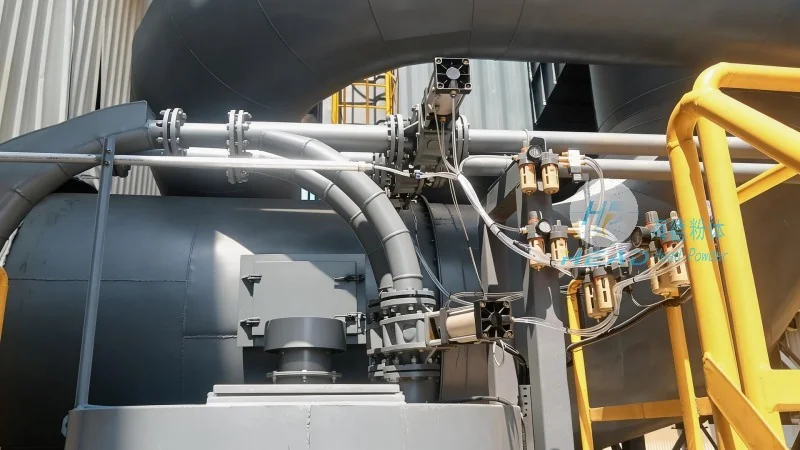
Operational considerations play a vital role in the effectiveness of both positive and negative pressure conveying systems. Positive pressure systems require regular maintenance of the blower and conveying lines to prevent wear and tear from abrasive silica sand particles. This includes inspecting for leaks, cleaning the system, and replacing worn parts as needed. Negative pressure systems, while generally requiring less maintenance, still need attention to the vacuum pump and collection hoppers to ensure consistent suction and material collection. HeadPowder provides comprehensive maintenance services to clients, including routine inspections, component replacement, and system optimization to minimize downtime and maximize operational efficiency. By adhering to proper maintenance protocols, clients can extend the lifespan of their conveying systems and reduce long-term operational costs.
Case Studies and Real-World Applications
HeadPowder has successfully implemented both positive and negative pressure pneumatic conveying systems for silica sand in various industrial applications. For example, a client in the glass manufacturing industry required the transport of large volumes of silica sand from a storage silo to a processing plant over a distance of 500 meters. HeadPowder designed a positive pressure system with a high-capacity blower and stainless steel conveying lines, achieving a throughput of 50 tons per hour with minimal energy consumption. Another client, a foundry, needed to transport fine silica sand from a hopper to a mixing unit over a shorter distance of 100 meters. HeadPowder recommended a negative pressure system with a vacuum pump and efficient collection hoppers, ensuring gentle handling of the fine particles and preventing dust contamination. These case studies illustrate the versatility of both systems and the importance of selecting the appropriate method based on specific operational requirements.
Conclusion
In conclusion, both positive pressure and negative pressure pneumatic conveying systems offer viable solutions for silica sand transport, each with its own advantages and limitations. Positive pressure systems excel in high-capacity, long-distance transport, while negative pressure systems are better suited for gentle handling and shorter distances. HeadPowder, with its expertise in material handling engineering, provides tailored solutions that optimize performance, efficiency, and cost-effectiveness for each client’s unique needs. By understanding the differences between these two methods and leveraging advanced design and maintenance practices, industrial facilities can achieve reliable and efficient silica sand transport, contributing to overall operational success.