

Positive Pressure and Negative Pressure Conveying of White Bean Flakes: A Comparative Analysis of Tw
Pneumatic conveying is a critical technology in the food processing industry, particularly for handling bulk materials like white bean flakes. The choice between positive pressure and negative pressure systems significantly impacts operational efficiency, material quality, and overall system costs. This analysis delves into the characteristics, advantages, and limitations of both positive and negative pressure conveying methods for white bean flakes, providing a comprehensive comparison to aid in informed decision-making for processing facilities.
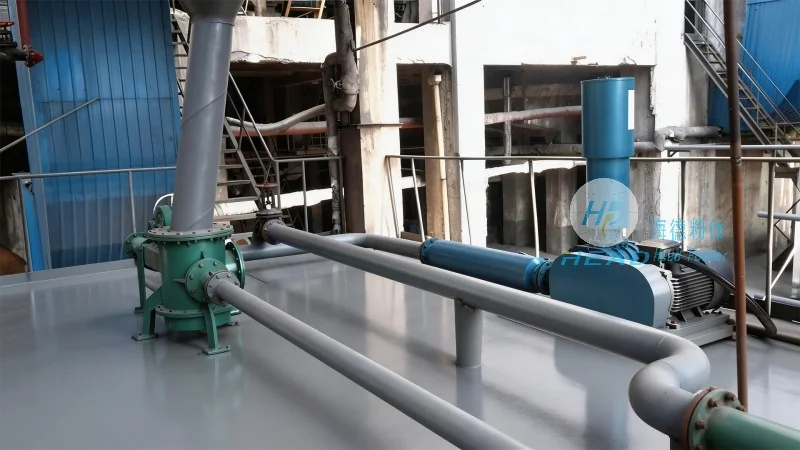
Positive Pressure Conveying: Advantages and Applications
Positive pressure conveying, also known as pressure pneumatic conveying, operates by blowing air or gas into the material to create a positive pressure within the system. This method is widely used for white bean flakes due to its ability to handle abrasive or sticky materials and its suitability for long-distance or high-rise applications. The system typically consists of a blower, a hopper, and a pipeline network, with the material being transported by the force of the pressurized air.
Key advantages of positive pressure conveying for white bean flakes include: enhanced material flow control, reduced risk of product degradation due to minimal exposure to ambient air, and the ability to handle high volumes of material efficiently. Additionally, positive pressure systems are often more suitable for applications requiring precise dosing or integration with downstream processing equipment. For instance, in a food processing plant, positive pressure conveying can be used to transport white bean flakes from storage silos to mixing or packaging lines without the need for intermediate handling.
However, positive pressure conveying also has certain limitations. The high pressure required can lead to increased energy consumption and higher maintenance costs for the blower and pipeline components. Moreover, the system may be less effective for conveying fine or light materials, as they can be easily carried away by the air stream, potentially leading to material loss or clogging issues. In the context of white bean flakes, which are relatively dense but can have varying particle sizes, positive pressure systems may require additional filtration or separation equipment to prevent fines from being entrained in the air.
Negative Pressure Conveying: Characteristics and Use Cases
Negative pressure conveying, or vacuum pneumatic conveying, works by creating a vacuum in the system to draw material from the source into the pipeline. This method is particularly effective for handling materials that are dusty or require a closed system to prevent contamination. The system includes a vacuum pump, a hopper, and a pipeline, with the material being pulled into the system by the pressure differential.
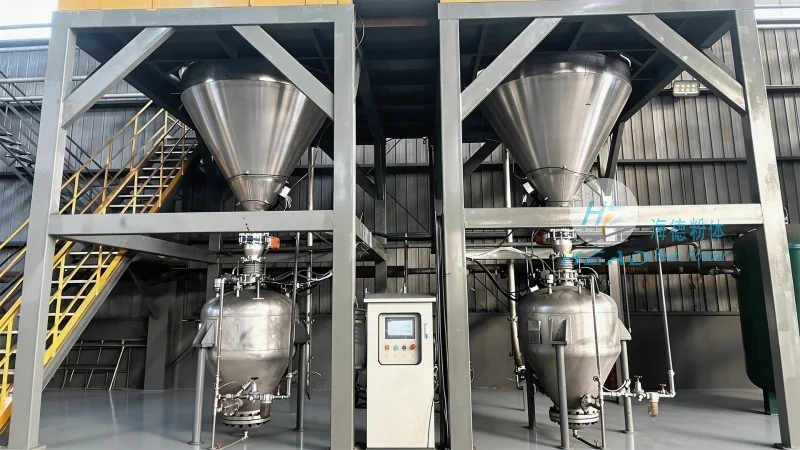
One of the primary benefits of negative pressure conveying for white bean flakes is its ability to maintain a closed environment, which is crucial for food safety and compliance with regulatory standards. The vacuum system ensures that no dust or particles are released into the surrounding air, reducing the risk of contamination and improving workplace safety. Additionally, negative pressure conveying is often more energy-efficient for short-distance or low-volume applications, as it requires less power to operate compared to positive pressure systems.
Nevertheless, negative pressure conveying has its own set of challenges. The vacuum system can be more complex to maintain, as it is more susceptible to clogging from fine particles or moisture in the material. This may require more frequent cleaning or the use of filters to prevent system blockages. For white bean flakes, which may contain moisture or have irregular shapes, the vacuum may not be sufficient to move all material, leading to lower throughput or the need for additional booster pumps. Furthermore, the closed system can make it more difficult to inspect or maintain the pipeline, potentially increasing downtime for repairs.
Comparative Analysis: Positive vs. Negative Pressure Conveying
When evaluating the two methods for white bean flakes, several factors must be considered to determine the most suitable option. The primary considerations include material characteristics, system distance, energy efficiency, and operational costs. Positive pressure conveying is generally preferred for long-distance or high-volume applications where material flow control is critical. It offers better control over the conveying process and is less prone to clogging from fine particles. However, it requires higher energy input and more robust equipment, which can increase initial investment and maintenance costs.
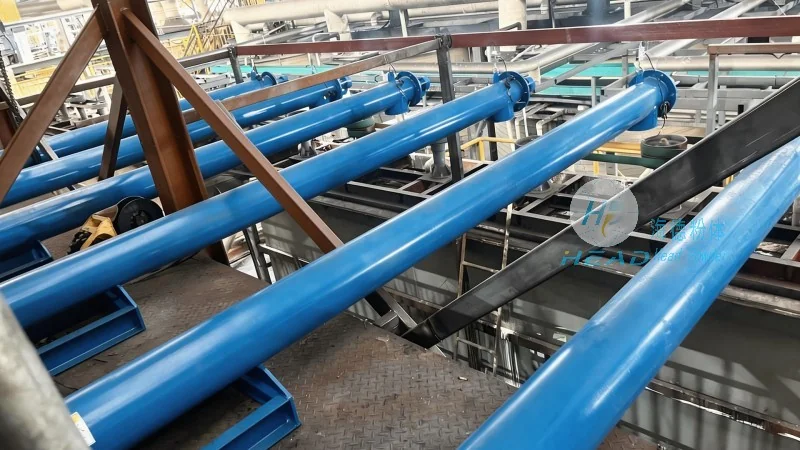
On the other hand, negative pressure conveying is ideal for short-distance, low-volume applications or when a closed system is mandatory for food safety. It is more energy-efficient and easier to maintain for certain materials, but it may have lower throughput and be more susceptible to clogging. The choice between the two often depends on the specific processing requirements of the facility, such as the need for precise dosing, integration with existing equipment, or compliance with environmental regulations.
For white bean flakes, the decision may also be influenced by the nature of the material itself. If the flakes are dense and have a consistent particle size, positive pressure conveying may be more effective. Conversely, if the material contains a high proportion of fines or is prone to moisture, negative pressure conveying might be more suitable to prevent loss or degradation. Ultimately, a thorough analysis of the processing needs, material properties, and budget constraints is essential to select the optimal pneumatic conveying method.
Conclusion and Recommendations
In conclusion, both positive and negative pressure conveying methods offer viable solutions for handling white bean flakes in food processing applications. Positive pressure systems provide superior control, efficiency for high-volume operations, and better material protection, but at a higher cost and energy consumption. Negative pressure systems, while more energy-efficient and suitable for closed environments, may have limitations in terms of throughput and material handling for certain types of white bean flakes.
For facilities processing white bean flakes, it is recommended to conduct a detailed assessment of their specific requirements, including the distance of material transport, volume of material handled, and regulatory compliance needs. Consulting with experts from companies like Shandong HeadPowder Engineering Co., Ltd., based in China, can provide valuable insights into the most appropriate pneumatic conveying system. By carefully evaluating the advantages and disadvantages of each method, processing facilities can optimize their operations, reduce costs, and ensure the quality and safety of their white bean flakes products.