

Positive Pressure and Negative Pressure Conveying of Glucose Powder: A Comparative Analysis of Two P
HeadPowder, a leading engineering company based in Shandong, China, specializes in the design and implementation of advanced material handling systems. In the pharmaceutical and food processing industries, the efficient and hygienic transport of fine powders like glucose powder is critical. Pneumatic conveying systems offer a solution by using air to move materials, and two primary methods dominate the market: positive pressure and negative pressure conveying. This article provides a detailed comparison of these two approaches, highlighting their applications, advantages, and limitations in the context of glucose powder handling.
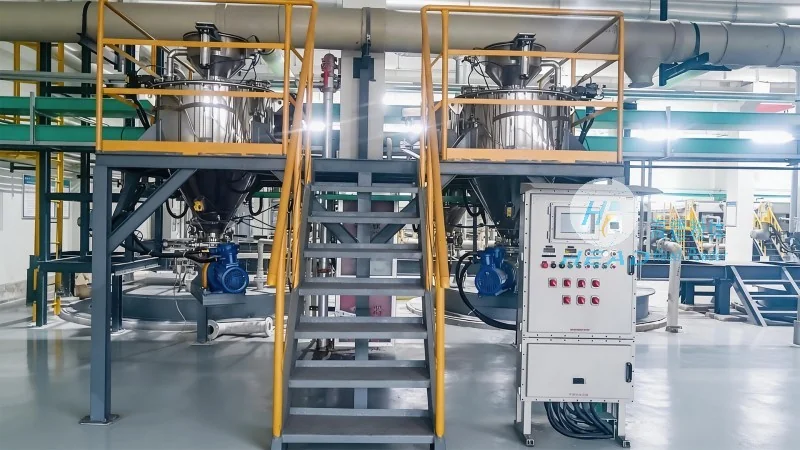
Understanding Pneumatic Conveying Systems
Pneumatic conveying involves the use of air or gas to transport bulk materials through a pipeline. The two main categories are positive pressure and negative pressure systems, each with distinct operational principles and suitability for different material types and process requirements. For glucose powder, which is a fine, hygroscopic material, the choice of conveying method can significantly impact product quality, system efficiency, and operational costs.
Positive Pressure Conveying of Glucose Powder
Positive pressure conveying, also known as pressure pneumatic conveying, operates by blowing air or gas into the conveying line under pressure. The material is introduced into the system at the inlet, where it is mixed with the pressurized air and carried through the pipeline to the discharge point. This method is particularly effective for transporting materials over long distances or through complex system layouts, as the high pressure ensures consistent flow and prevents material degradation.
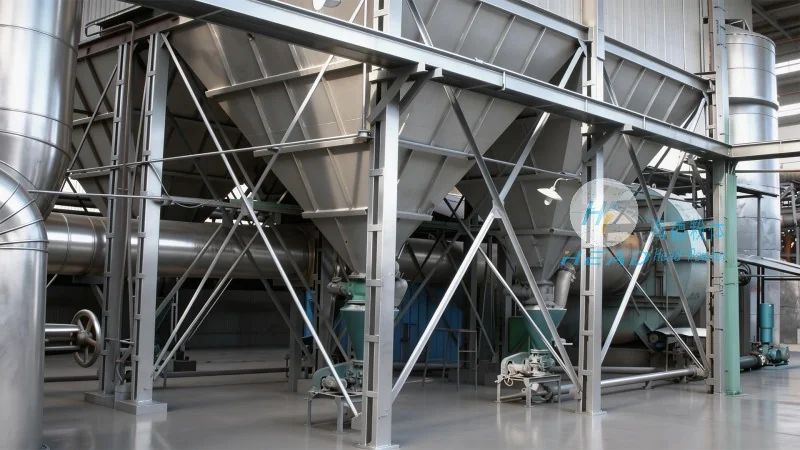
Key advantages of positive pressure systems for glucose powder include high conveying capacity, the ability to handle abrasive or sticky materials, and the option for multiple discharge points. The pressurized environment also helps maintain product integrity by reducing exposure to ambient air and minimizing the risk of contamination. However, these systems require robust equipment, such as high-pressure blowers and sealed pipelines, which can increase initial investment and maintenance costs. Additionally, the high air velocity may lead to increased energy consumption and potential wear on system components.
Negative Pressure Conveying of Glucose Powder
Negative pressure conveying, or vacuum pneumatic conveying, works by creating a vacuum in the conveying line to draw material from the source into the system. The material is typically fed into a hopper or silo, where it is drawn into the pipeline by the vacuum created by a vacuum pump. This method is well-suited for applications where the material needs to be transported from a central storage area to a processing unit, as it allows for the collection of material from multiple points and central discharge.
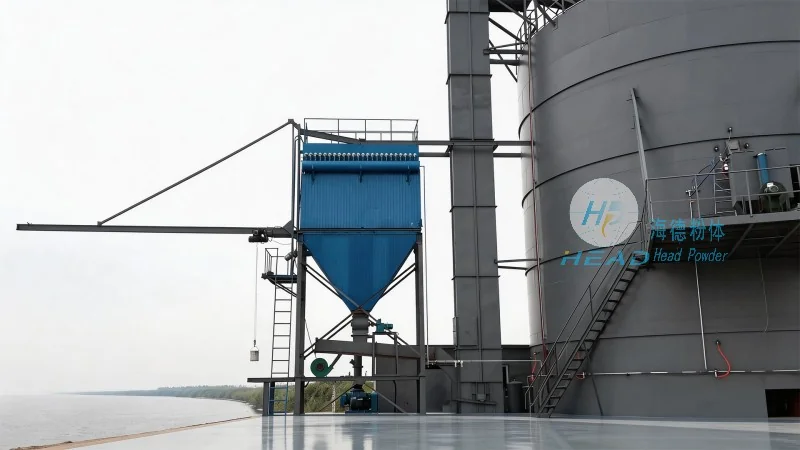
Advantages of negative pressure systems include lower initial costs compared to positive pressure systems, as they often use standard vacuum equipment and do not require high-pressure blowers. The vacuum environment also helps in controlling dust and maintaining a clean working environment, which is crucial for hygienic applications like glucose powder handling. However, negative pressure systems have limitations in terms of conveying distance and material capacity. The vacuum pressure is typically lower than positive pressure, which can result in lower conveying rates and increased risk of material blockages, especially with fine powders that are prone to clogging.
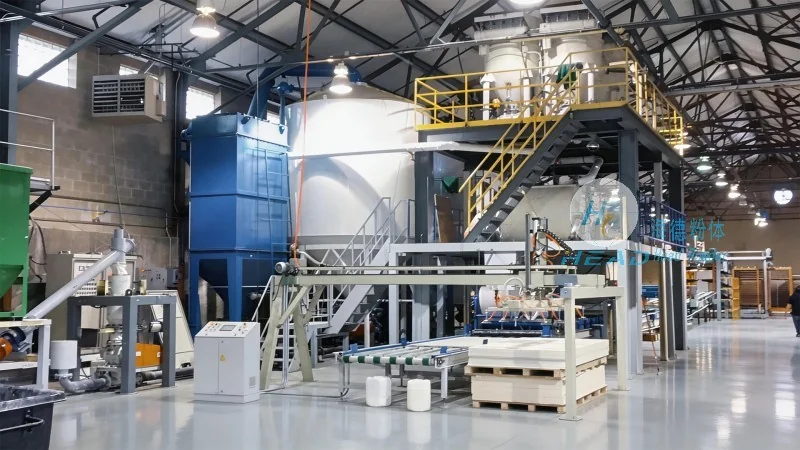
Comparative Analysis: Which Method is Best for Glucose Powder?
When deciding between positive and negative pressure conveying for glucose powder, several factors must be considered. The primary considerations include the distance between the source and destination, the required conveying capacity, the material's physical properties (such as particle size, moisture content, and hygroscopicity), and the overall system complexity and cost. For applications requiring long-distance transport or high throughput, positive pressure conveying is often preferred due to its higher capacity and reliability. Conversely, for shorter distances or where cost-effectiveness and ease of installation are priorities, negative pressure conveying may be more suitable.
HeadPowder, with its expertise in material handling engineering, offers customized solutions tailored to the specific needs of glucose powder processing facilities. By evaluating the operational requirements and material characteristics, the company can recommend the most efficient conveying method and design a system that maximizes performance while minimizing operational costs. Whether implementing a positive pressure or negative pressure system, HeadPowder ensures that the conveying process is optimized for product quality, safety, and sustainability.