

Positive Pressure vs. Negative Pressure Conveying of Ammonium Bicarbonate: A Comparative Analysis of
Ammonium bicarbonate is a widely used chemical in various industries, including food processing, pharmaceuticals, and agriculture. Efficient and reliable transportation of this material is crucial for maintaining production efficiency and product quality. In this analysis, we will compare two primary pneumatic conveying methods: positive pressure conveying and negative pressure conveying. Both methods are essential for handling ammonium bicarbonate, but they differ significantly in their operational principles, advantages, and applications.
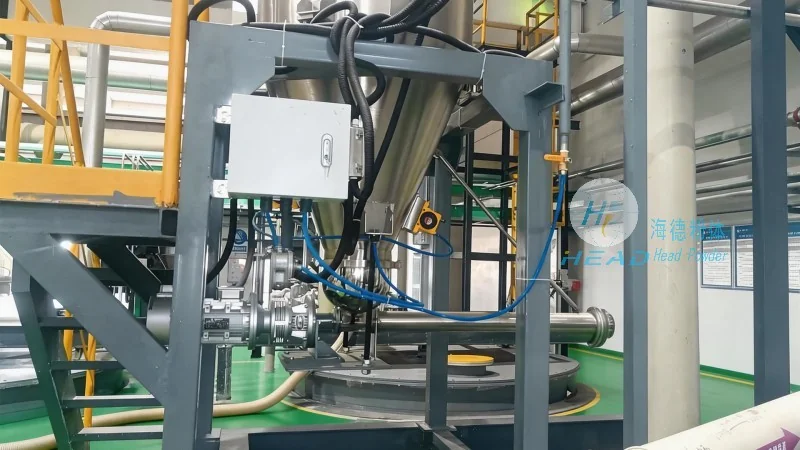
Understanding Pneumatic Conveying Systems
Pneumatic conveying systems use air or other gases to transport bulk materials like ammonium bicarbonate through a pipeline. The choice between positive and negative pressure systems depends on factors such as material properties, distance, and system complexity. Positive pressure systems push material through the pipeline using a blower or compressor, while negative pressure systems draw material into the system using a vacuum or suction device.
Positive Pressure Conveying of Ammonium Bicarbonate
Positive pressure conveying, also known as pressure conveying, operates by generating positive pressure at the material inlet. This method is particularly effective for transporting ammonium bicarbonate over longer distances and through complex piping networks. The system typically includes a blower, a hopper, and a discharge point. The blower creates a high-pressure air stream that propels the material forward. One of the key advantages of positive pressure conveying is its ability to handle abrasive or corrosive materials, which is relevant for ammonium bicarbonate due to its potential to cause wear on equipment. Additionally, positive pressure systems are generally more energy-efficient for long-distance transport, as they require less power to maintain pressure compared to negative pressure systems.
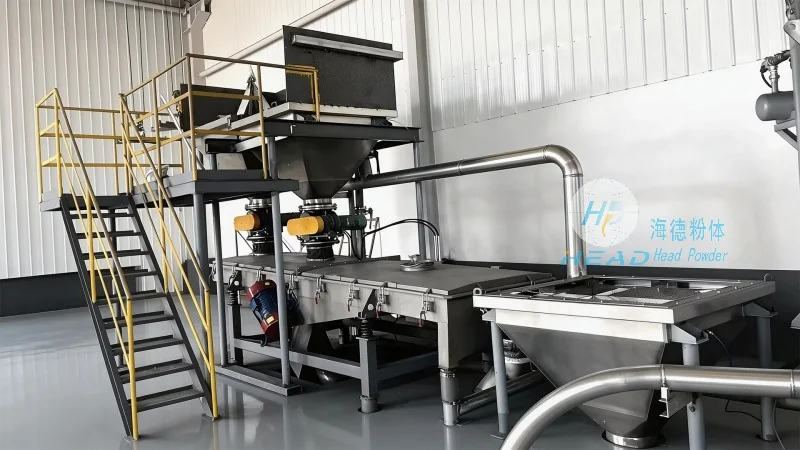
Negative Pressure Conveying of Ammonium Bicarbonate
Negative pressure conveying, or vacuum conveying, works by creating a vacuum at the material discharge point. This draws the material into the system through a pipeline. This method is often preferred for shorter distances and for handling materials that are sensitive to pressure changes or for applications where dust control is critical. The system consists of a vacuum pump, a hopper, and a collection point. Negative pressure conveying is particularly suitable for ammonium bicarbonate when the material is to be handled in a clean environment or when the material is prone to caking. However, it may not be as effective for long-distance transport due to the limitations of vacuum pressure and the potential for material degradation under low pressure conditions.

Key Differences and Performance Metrics
When comparing positive and negative pressure conveying for ammonium bicarbonate, several factors come into play. The primary difference lies in the pressure differential and the direction of material movement. Positive pressure systems operate at pressures above atmospheric, while negative pressure systems operate at pressures below atmospheric. This affects the system's ability to handle material flow rates, pressure drop, and energy consumption. For instance, positive pressure systems can achieve higher flow rates and maintain consistent material velocity over longer distances, which is beneficial for large-scale production. In contrast, negative pressure systems are more suitable for low-flow applications and for handling materials that require gentle handling to prevent degradation.
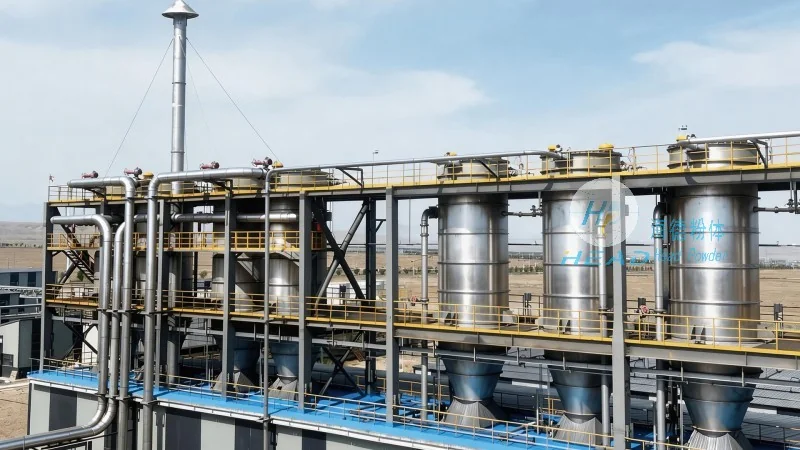
Advantages and Limitations of Each Method
Positive pressure conveying offers several advantages for ammonium bicarbonate transport. These include higher material throughput, better control over pressure and flow, and the ability to handle abrasive materials without significant wear. However, it also has limitations, such as higher initial investment costs due to the need for robust blower systems and potential for increased dust generation if not properly sealed. Negative pressure conveying, on the other hand, provides advantages like lower noise levels, reduced energy consumption for short distances, and better containment of dust, which is crucial for ammonium bicarbonate due to its potential to cause respiratory issues. Its limitations include lower material capacity, difficulty in handling long distances, and potential for material degradation under low pressure.
Application Scenarios and Practical Considerations
The choice between positive and negative pressure conveying for ammonium bicarbonate depends on specific application requirements. For example, in large-scale food processing facilities where high throughput is required, positive pressure conveying may be the preferred method due to its ability to handle large volumes efficiently. In contrast, in pharmaceutical or laboratory settings where material purity and gentle handling are critical, negative pressure conveying might be more suitable. Practical considerations also include the layout of the facility, the distance between the source and destination, and the existing infrastructure. Companies like Shandong HeadPowder Engineering Co., Ltd., based in China, specialize in designing and manufacturing pneumatic conveying systems tailored to the specific needs of ammonium bicarbonate applications, ensuring optimal performance and reliability.