

Types and Practical Applications of Pneumatic Conveying Systems for Industrial Salt Transport
Industrial salt, a vital raw material in sectors like chemical manufacturing, food processing, and de-icing, demands efficient transport solutions to maintain seamless production. Pneumatic conveying systems have become a preferred choice for industrial salt handling due to their ability to manage bulk materials with minimal human intervention and reduced contamination risks. This article examines the types of pneumatic conveying systems used in industrial salt transport and their practical applications, with insights from Shandong HeadPowder Engineering Co., Ltd., a leader in tailored material handling solutions.
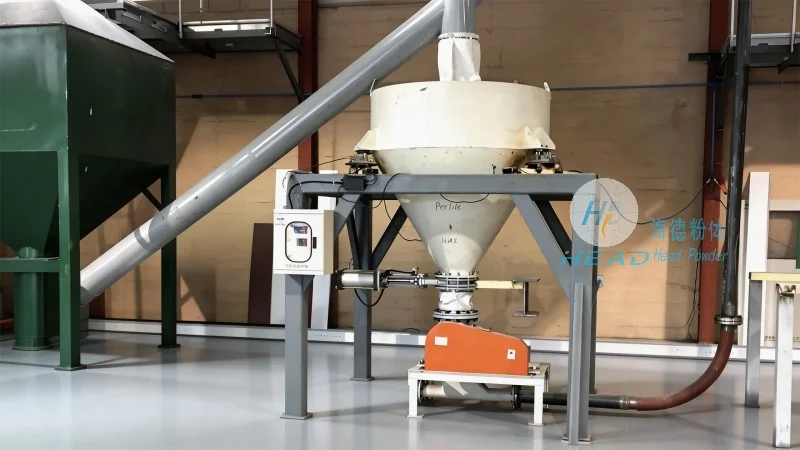
Overview of Pneumatic Conveying Systems for Industrial Salt
Pneumatic conveying systems utilize air or gas to transport industrial salt through pipelines. Classified by system pressure, two primary types dominate industrial applications: positive pressure and negative pressure systems. Positive pressure systems blow air into the material stream, while negative pressure systems draw material via suction. Each type offers distinct advantages, making them suitable for different operational conditions and material properties.
Types of Pneumatic Conveying Systems for Industrial Salt Transport
Positive Pressure Conveying Systems
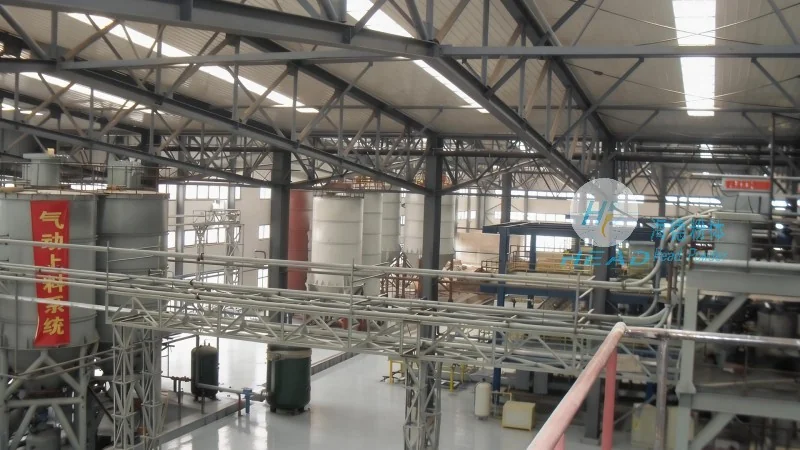
Positive pressure systems are widely used for industrial salt transport, especially for abrasive or corrosive materials. These systems force air into the material, moving it through pipelines. Key components include a blower, material hopper, feeder, and pipeline network. The blower provides the necessary pressure for long-distance or multi-transfer operations. Positive pressure systems excel in high-throughput scenarios, minimizing dust and material settling risks by continuously blowing air through the system.
Negative Pressure Conveying Systems
Negative pressure (vacuum) systems are ideal for transporting industrial salt from multiple sources or handling sensitive materials prone to caking. They draw material into the system via a vacuum pump, hopper, feeder, and pipeline. Suitable for short-to-medium distances, these systems require more maintenance due to vacuum-related wear but are effective for maintaining hygiene and handling caked materials.
Combined Pressure Systems
For complex industrial salt transport—such as long distances with multiple transfer points—combined systems integrate positive and negative pressure components. For example, a positive pressure system may transport material from the source to an intermediate point, while a negative pressure system handles the final segment. This hybrid approach optimizes throughput, energy use, and component wear.
Practical Applications of Pneumatic Conveying Systems in Industrial Salt Handling
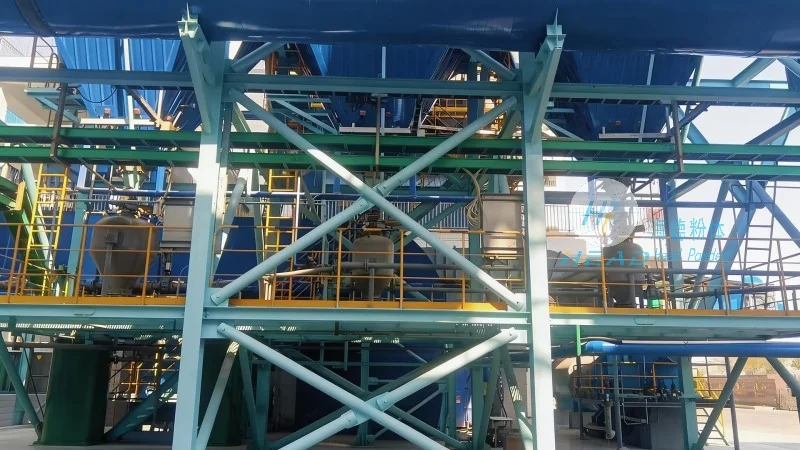
Pneumatic systems serve diverse industrial salt applications. In chemical manufacturing, they transport salt to processing units for sodium hydroxide production. In food processing, they maintain hygiene by minimizing human contact during seasoning. For de-icing, systems move salt from storage to application points, ensuring efficient snow removal. Each application leverages the systems' ability to handle bulk materials reliably and safely.
Case Study: Chemical Plant Industrial Salt Transport
Shandong HeadPowder Engineering Co., Ltd. recently implemented a positive pressure system for a Chinese chemical plant. The plant required daily transport of 200 tons of industrial salt over 500 meters. The system included a high-efficiency blower, rotary feeder, and multi-transfer pipeline. It achieved 20% production efficiency gains and 15% labor cost reductions, with minimal material loss or maintenance issues.
Key Considerations for Selecting a Pneumatic Conveying System for Industrial Salt
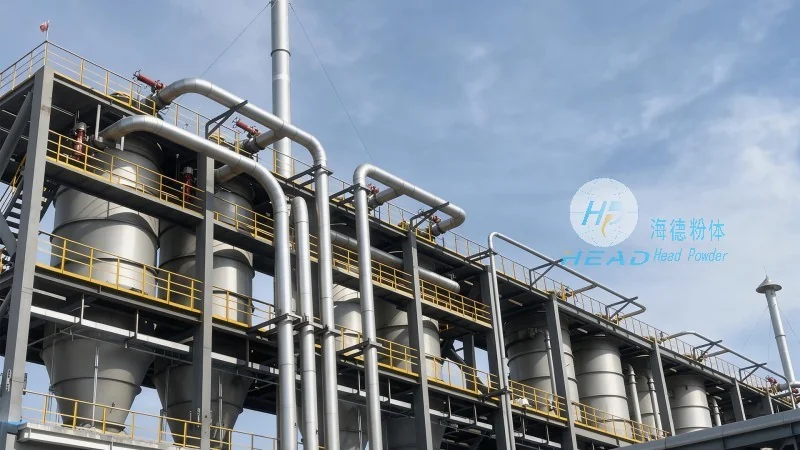
Choosing a system involves evaluating material characteristics (particle size, abrasiveness), operational distance/transfer points, and safety/environmental needs. Abrasive industrial salt demands wear-resistant components and robust pipelines. Longer distances or multiple transfers may require combined systems or larger blower capacities. Environmental factors, such as dust control or explosion protection, are critical, especially in enclosed or flammable environments. Shandong HeadPowder Engineering Co., Ltd. provides customized solutions addressing these factors to ensure optimal performance.
Conclusion
Pneumatic conveying systems offer reliable, efficient industrial salt transport, reducing contamination and labor costs while boosting throughput. The system type—positive, negative, or combined—depends on operational and material requirements. Shandong HeadPowder Engineering Co., Ltd. specializes in designing tailored systems that meet these needs, enhancing operational efficiency across industries. By understanding system types and applications, businesses can optimize material handling and improve overall productivity.