

Types and Practical Applications of Pneumatic Conveying Systems for Cement Particle Transport
HeadPowder, a prominent engineering firm headquartered in Shandong, China, focuses on delivering specialized pneumatic conveying solutions for the efficient handling of cement particles. This overview examines the different types of pneumatic conveying systems employed in cement processing and their real-world applications, highlighting how these technologies optimize material transport in industrial environments.
Key Types of Pneumatic Conveying Systems
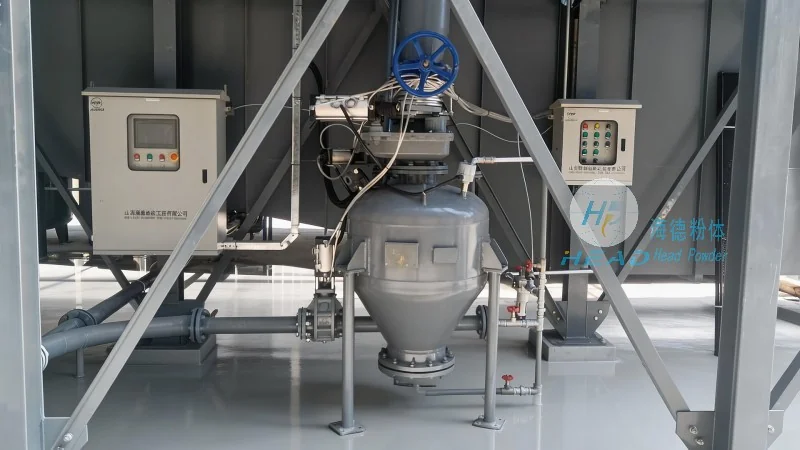
There are primarily three categories of pneumatic conveying systems used for cement particle transport, each with distinct operational principles and suitability for specific scenarios. The first is the positive pressure system, which utilizes compressed air to push material through a pipeline. This method is ideal for long-distance transport and can handle abrasive materials like cement without causing excessive wear on equipment. The second type is the negative pressure (vacuum) system, which draws material into the system using a vacuum pump. This approach is well-suited for short to medium distances and is often preferred for applications requiring gentle material handling to prevent degradation. The third category is the mixed-pressure system, which combines elements of both positive and negative pressure, offering flexibility in handling varying material characteristics and system configurations.
Practical Applications in Cement Industry
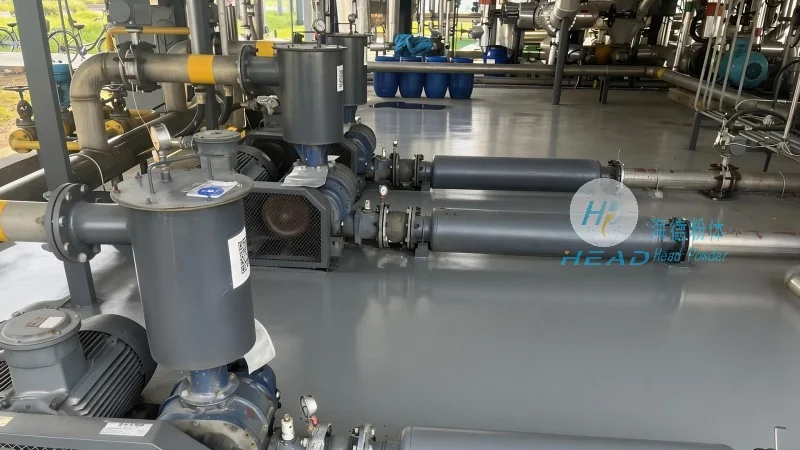
Positive pressure systems are commonly utilized in large-scale cement production facilities for transporting raw materials from storage silos to processing units. Their ability to maintain consistent flow rates and handle high volumes makes them a preferred choice for continuous production lines. For instance, in a cement plant, a positive pressure system can efficiently convey bulk cement from the storage silo to the grinding mill, ensuring a steady supply of material for production. Negative pressure systems, on the other hand, are often employed in applications where material needs to be transported from multiple points to a central collection point, such as in port terminals or bulk handling facilities. These systems are particularly useful for handling fine cement powders, as they minimize dust dispersion and maintain material integrity during transport. Mixed-pressure systems are versatile and can be adapted for various industrial applications, including the transport of cement from production sites to distribution centers or for integrating with existing material handling infrastructure. Their adaptability allows for customized solutions that meet specific operational requirements, such as varying material flow rates or distance constraints.
Advantages and Considerations
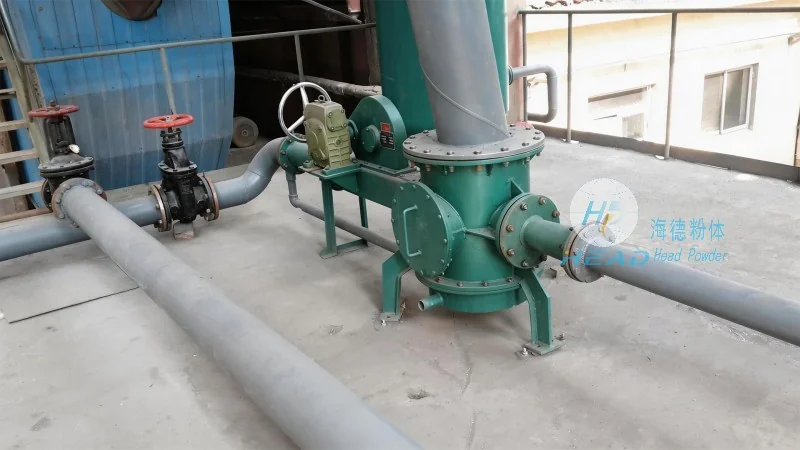
Each type of pneumatic conveying system offers unique advantages that make them suitable for different cement handling scenarios. Positive pressure systems provide high transport efficiency and can handle abrasive materials effectively, reducing equipment wear and maintenance costs. However, they require robust air compression systems and may generate higher noise levels compared to other methods. Negative pressure systems are more energy-efficient for shorter distances and are gentler on materials, preserving their quality and reducing dust emissions. Yet, they may have limitations in handling large volumes or abrasive materials, potentially leading to higher maintenance needs for the vacuum components. Mixed-pressure systems combine the benefits of both approaches, offering flexibility in system design and operational performance. They can adapt to varying material characteristics and system configurations, making them a reliable choice for complex industrial applications. When selecting a pneumatic conveying system for cement particle transport, factors such as material properties, distance, system layout, and operational requirements must be carefully considered to ensure optimal performance and cost-effectiveness.
Conclusion
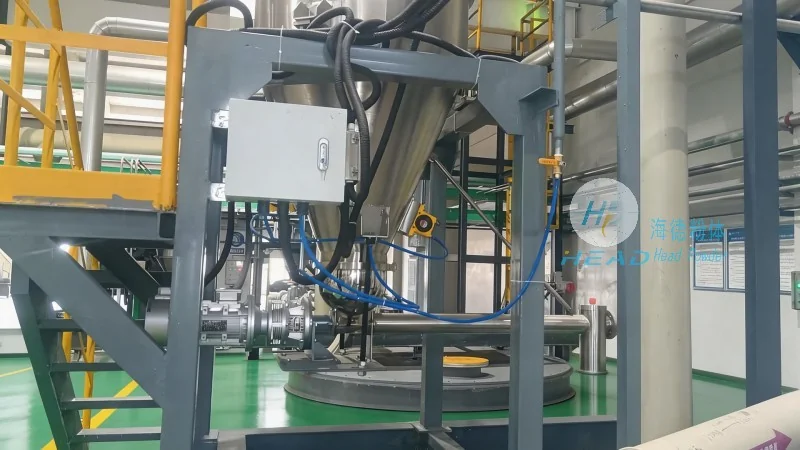
HeadPowder's expertise in designing and implementing pneumatic conveying systems for cement particle transport underscores the importance of selecting the right technology for specific industrial needs. By understanding the different types of systems and their practical applications, cement producers and handlers can enhance operational efficiency, reduce costs, and ensure the quality of their materials. Whether using positive, negative, or mixed-pressure systems, the goal is to achieve reliable, efficient, and cost-effective material transport that meets the demands of modern cement processing and distribution. With a strong presence in Shandong, China, HeadPowder continues to provide innovative solutions that address the evolving needs of the cement industry, contributing to improved productivity and sustainability in material handling operations.