

Types and Practical Applications of Pneumatic Conveying Systems for Gravity Dust Removal
Shandong HeadPowder Engineering Co., Ltd. specializes in providing advanced solutions for the efficient handling and transportation of gravity dust, a critical aspect in various industrial processes. The company, based in Shandong, China, leverages its expertise to develop and implement pneumatic conveying systems tailored to meet the specific demands of dust removal and material transport in industrial settings.
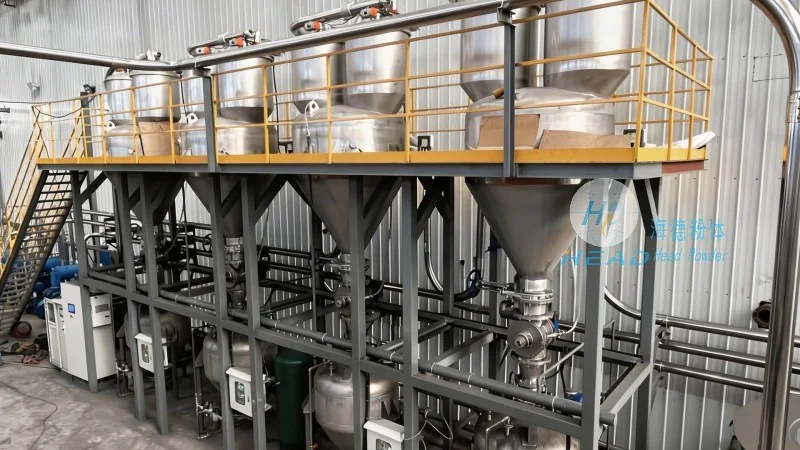
Introduction to Pneumatic Conveying Systems in Gravity Dust Removal
Pneumatic conveying systems have emerged as a vital technology in modern industrial operations, particularly for the removal and transport of gravity dust. These systems utilize air or gas to move particulate materials through a pipeline network, offering advantages such as reduced labor costs, minimized material degradation, and enhanced safety compared to traditional methods like belt conveyors or manual handling. The effectiveness of these systems depends heavily on the type of system employed, which is tailored to the characteristics of the dust and the operational requirements of the facility.
Types of Pneumatic Conveying Systems for Gravity Dust
There are primarily two main categories of pneumatic conveying systems used for gravity dust removal: positive pressure and negative pressure systems. Each type has distinct characteristics and is suitable for different applications based on factors like material properties, distance, and system complexity.
Positive Pressure Pneumatic Conveying Systems
Positive pressure systems operate by blowing air or gas into the conveying line, creating a pressure higher than the ambient air pressure. This method is commonly used for short to medium distance transport and is particularly effective for handling dusty materials that are prone to caking or agglomeration. The system typically includes a blower or compressor at the inlet, which supplies the necessary pressure to move the material. Positive pressure systems are often preferred for applications where the dust is to be delivered to a specific destination, such as a storage silo or a processing unit.
Negative Pressure Pneumatic Conveying Systems
Negative pressure systems, also known as vacuum systems, operate by creating a vacuum at the inlet, drawing the material into the conveying line. This approach is ideal for applications requiring the collection of dust from multiple sources or for long-distance transport where the material needs to be pulled rather than pushed. Negative pressure systems are commonly used in environments where dust control and containment are critical, as they minimize the risk of dust leakage and provide better control over the material flow.
Mixed-Pressure Pneumatic Conveying Systems
Mixed-pressure systems combine elements of both positive and negative pressure systems, offering flexibility in material handling. These systems may use a positive pressure blower at the discharge end to assist in pushing the material through the line while maintaining a vacuum at the inlet to draw the material in. This hybrid approach is suitable for complex systems involving multiple collection points and varying distances, allowing for efficient transport of gravity dust under diverse operational conditions.
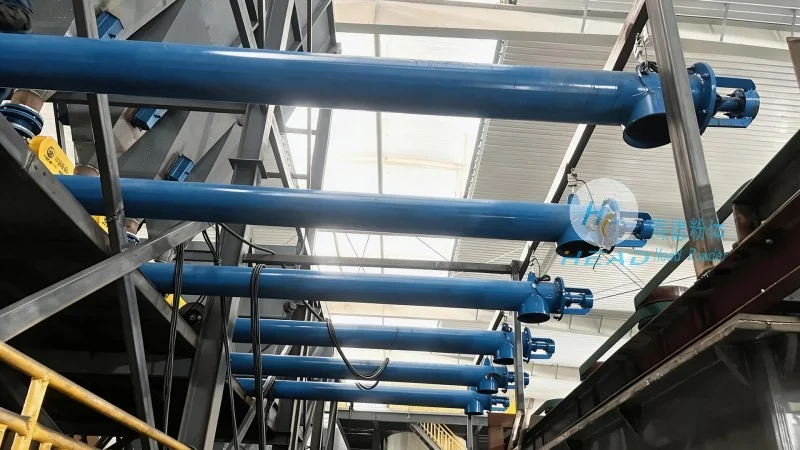
Practical Applications of Pneumatic Conveying Systems
The practical application of pneumatic conveying systems in gravity dust removal spans across various industries, including power generation, cement production, and chemical processing. Each industry presents unique challenges, and the choice of system type is determined by the specific requirements of the process.
Power Generation Industry
In power plants, especially those using coal as a fuel source, the removal of fly ash and bottom ash is essential for environmental compliance and operational efficiency. Pneumatic conveying systems are employed to transport these gravity dusts from the boiler and ash handling areas to storage silos or disposal sites. The systems are designed to handle high volumes of fine particulate matter, ensuring reliable and continuous operation. For instance, in a thermal power plant, a positive pressure system may be used to transport fly ash from the electrostatic precipitators to a storage silo, while a negative pressure system could be utilized to collect bottom ash from the ash hopper, demonstrating the versatility of pneumatic conveying in handling different types of gravity dust.
Cement Manufacturing Industry
Cement production involves the handling of raw materials like limestone, clay, and gypsum, which are processed into fine powders. The removal of dust generated during grinding and mixing processes is crucial to maintain plant hygiene and comply with environmental regulations. Pneumatic conveying systems are integrated into the cement production line to transport these gravity dusts from various points, such as the raw material silos and the clinker cooler, to the dust collection systems. The systems are typically designed as negative pressure systems to ensure that the dust is drawn away from the processing areas, preventing contamination and maintaining a clean working environment.
Chemical Processing Industry
In the chemical industry, the handling of various powders and dusts is common, and the use of pneumatic conveying systems is critical for safe and efficient material transport. These systems are employed to move chemical powders from storage tanks to processing units or to transfer waste dust from filtration systems. The choice of system type depends on the chemical properties of the material, such as its reactivity or moisture content. For example, in a pharmaceutical or food processing facility, a negative pressure system may be preferred to prevent cross-contamination and maintain product purity, while in a chemical plant dealing with abrasive or corrosive materials, a positive pressure system with robust components may be necessary to ensure durability and reliability.
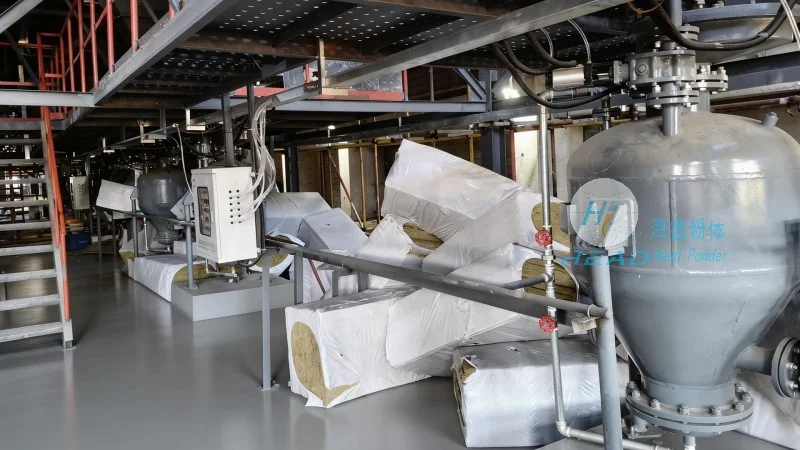
Key Considerations for Implementing Pneumatic Conveying Systems
When implementing pneumatic conveying systems for gravity dust removal, several factors must be carefully considered to ensure optimal performance and longevity. These considerations include the characteristics of the dust, such as particle size, density, and moisture content, as well as the operational parameters like the required conveying distance and flow rate. The system design must also account for the potential for material buildup or blockages in the pipeline, which can be mitigated through the use of appropriate equipment like cyclones, filters, and pulsation control devices.
Material Characteristics
The physical properties of the gravity dust play a significant role in determining the most suitable pneumatic conveying system. For example, fine and dry dusts are typically more easily conveyed using negative pressure systems, as they can be drawn efficiently into the pipeline. In contrast, coarse and heavy dusts may require positive pressure systems to ensure sufficient pressure to move the material. The moisture content of the dust is also a critical factor, as high moisture levels can lead to caking or agglomeration, which can cause blockages in the system. Proper drying or conditioning of the dust may be necessary before it is conveyed to prevent such issues.
System Design and Components
The design of the pneumatic conveying system involves selecting appropriate components such as blowers, filters, cyclones, and pipeline materials. The blower or compressor must be capable of providing the required pressure or vacuum levels, and its capacity must match the flow rate of the material. Filters are essential for maintaining air quality and preventing dust from entering the blower, which can cause wear and tear. Cyclones are commonly used as dust separators to remove the material from the air stream and return it to the process or storage. The choice of pipeline material, such as stainless steel or plastic, depends on the corrosiveness of the dust and the operating conditions.
Operational Efficiency and Maintenance
Ensuring the long-term efficiency of the pneumatic conveying system requires regular maintenance and monitoring. This includes checking the performance of the blower, cleaning the filters and cyclones, and inspecting the pipeline for any signs of wear or blockage. Proper maintenance can prevent system downtime and reduce the risk of material loss or contamination. Additionally, the system should be designed with features that facilitate easy access for maintenance, such as removable sections of the pipeline and accessible filter housings.
Conclusion
Pneumatic conveying systems offer a reliable and efficient solution for the removal and transport of gravity dust in various industrial applications. The choice of system type, whether positive pressure, negative pressure, or mixed-pressure, depends on the specific requirements of the process, including the characteristics of the dust and the operational conditions. By carefully selecting and implementing the appropriate system, industries can achieve improved operational efficiency, reduced environmental impact, and enhanced safety. Shandong HeadPowder Engineering Co., Ltd. continues to provide innovative solutions in this field, leveraging its expertise to meet the evolving needs of industrial dust handling and material transport.