

Types and Practical Applications of Pneumatic Conveying Systems for Sodium Hydroxide Transport
When it comes to transporting sodium hydroxide, a highly caustic and reactive chemical, the choice of conveying system is critical. Pneumatic conveying systems offer a reliable and efficient solution, particularly in industrial settings where safety, precision, and operational efficiency are paramount. This article explores the different types of pneumatic conveying systems used for sodium hydroxide transport and their practical applications, highlighting the expertise of Shandong HeadPowder Engineering Co., Ltd. as a leading provider in the field.
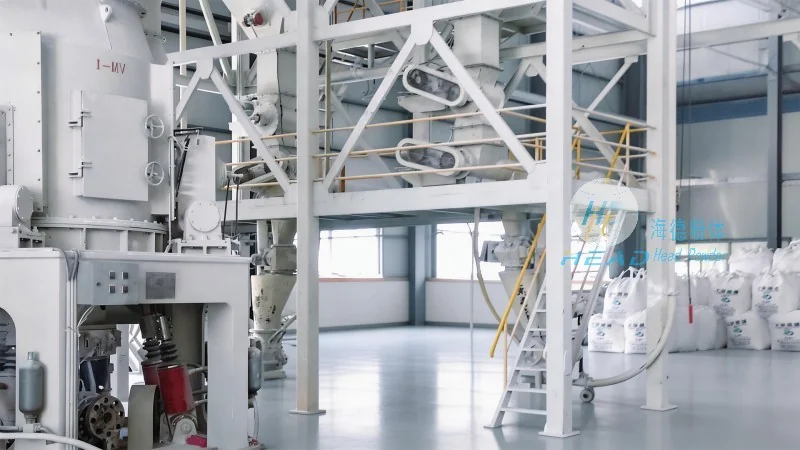
Types of Pneumatic Conveying Systems
There are primarily two main categories of pneumatic conveying systems: positive pressure and negative pressure systems. Each type has distinct characteristics and is suitable for different operational requirements.
Positive pressure systems, also known as pressure conveying systems, operate by blowing air or gas into the conveying line to move the material. This method is often preferred for long-distance or high-capacity transport, as it can handle larger particles and is less prone to blockages. In the context of sodium hydroxide, which is typically in the form of pellets or flakes, positive pressure systems can effectively transport the material from storage silos to processing units or packaging areas.
Negative pressure systems, or vacuum conveying systems, work by creating a vacuum in the receiving hopper or container to draw the material into the conveying line. This approach is ideal for short-distance transport, handling fine powders, and applications where dust control is a priority. For sodium hydroxide, which can generate dust during handling, negative pressure systems provide a safer and more controlled environment, minimizing exposure risks for operators.
Additionally, there are hybrid or mixed systems that combine elements of both positive and negative pressure. These systems offer flexibility, allowing for the transport of materials over varying distances with different particle sizes. For sodium hydroxide applications, hybrid systems can be particularly useful in complex plant layouts where multiple transfer points are required.
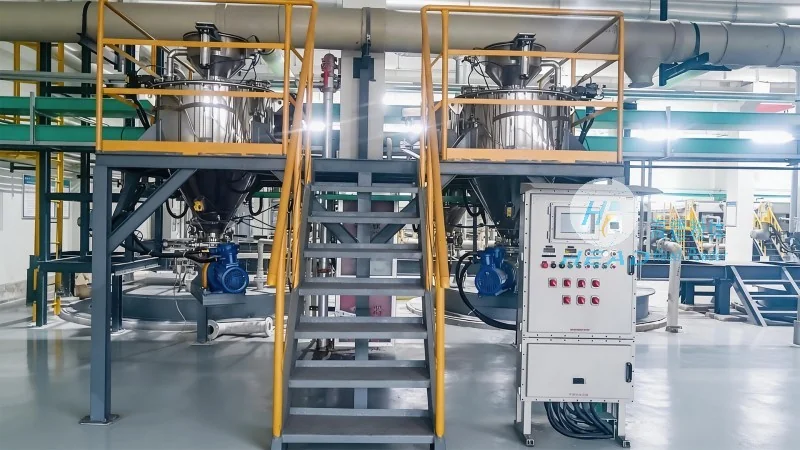
Practical Applications in Sodium Hydroxide Production
The practical application of pneumatic conveying systems in sodium hydroxide production involves several key stages. From raw material handling to final product packaging, these systems ensure a seamless and safe workflow.
At the raw material stage, sodium hydroxide is often received in bulk from suppliers. Pneumatic conveying systems can be used to unload the material from trucks or railcars directly into storage silos, eliminating the need for manual handling and reducing the risk of spills or contamination. This initial step is crucial for maintaining product quality and operational safety.
During the production process, sodium hydroxide is used in various chemical reactions, such as the synthesis of other chemicals or as a catalyst. Pneumatic conveying systems facilitate the transfer of the chemical between reactors, mixers, and other processing equipment. The ability to transport sodium hydroxide in a controlled manner ensures consistent reaction conditions and prevents material degradation.
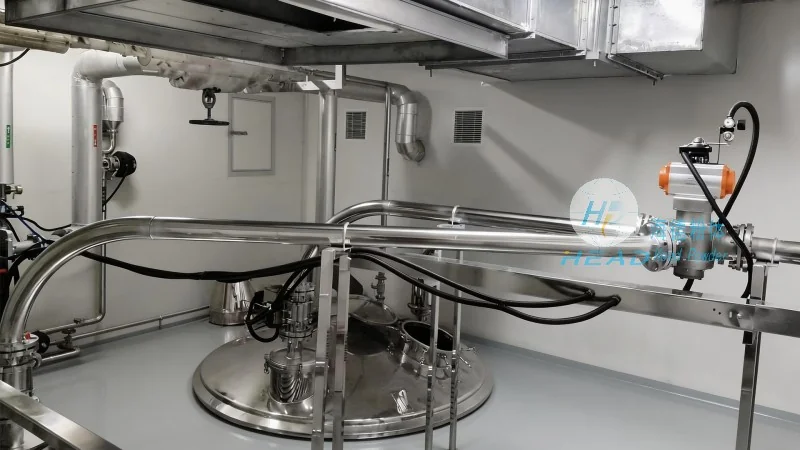
In the final stages of production, sodium hydroxide is often packaged into bags or containers for distribution. Pneumatic conveying systems can efficiently move the material from the production line to the packaging area, where it is loaded into bags or drums. This streamlined process enhances productivity and reduces labor costs, making it an essential component of modern manufacturing operations.
Benefits and Considerations for Sodium Hydroxide Transport
Implementing pneumatic conveying systems for sodium hydroxide transport offers several benefits. These include improved safety by reducing human exposure to the caustic material, enhanced operational efficiency through automated material handling, and reduced maintenance costs due to fewer mechanical components compared to traditional belt or screw conveyors.
However, there are also considerations to keep in mind. The corrosive nature of sodium hydroxide requires the use of materials that are resistant to chemical attack, such as stainless steel or specialized coatings. Proper system design and maintenance are essential to prevent leaks and ensure long-term performance. Additionally, the system must be equipped with appropriate dust collection and filtration to comply with environmental regulations and maintain a safe working environment.
Conclusion and Company Expertise
Pneumatic conveying systems are a vital technology in the efficient and safe transport of sodium hydroxide. By understanding the different types of systems and their applications, industries can optimize their operations and enhance product quality. Shandong HeadPowder Engineering Co., Ltd. specializes in designing and manufacturing customized pneumatic conveying solutions tailored to the specific needs of sodium hydroxide producers. With years of experience and a commitment to quality, HeadPowder provides reliable systems that meet the highest standards of safety and performance in the chemical industry.