

Pneumatic Conveying in Bulk Salt Transportation
HeadPowder Engineering Co., Ltd. specializes in providing advanced pneumatic conveying solutions tailored for bulk material handling, including applications in the salt industry. With a focus on efficiency, reliability, and safety, our systems are designed to meet the unique demands of transporting salt in bulk quantities. Based in Shandong, China, we leverage over 15 years of industry experience to deliver customized solutions that enhance operational performance for clients in the food processing, chemical, and industrial sectors.
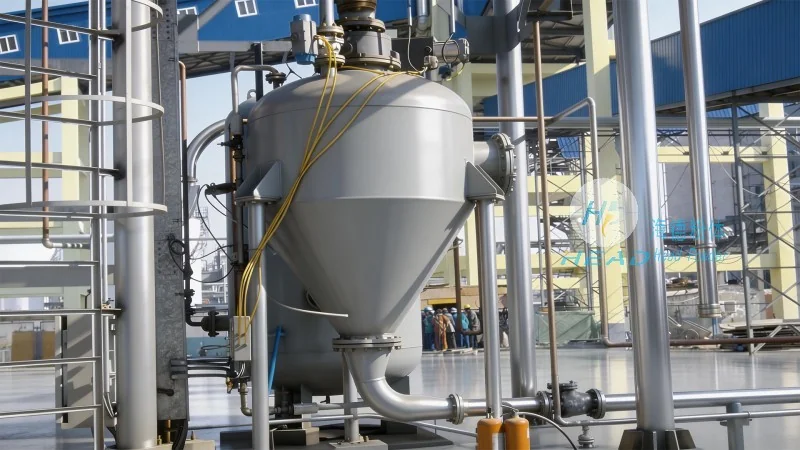
The Role of Pneumatic Conveying in Bulk Salt Transportation
Pneumatic conveying technology offers a highly effective method for transporting bulk salt, such as table salt or industrial-grade salt, from storage facilities to processing plants or distribution centers. Unlike traditional mechanical systems like belt conveyors or bucket elevators, pneumatic conveying uses compressed air to move material through a pipeline network. This approach eliminates the need for physical contact between the salt and machinery, reducing the risk of contamination and wear. For salt, which is hygroscopic and prone to clumping, pneumatic systems provide a dry, low-friction environment that maintains product quality throughout the transport process.
Key Advantages of Pneumatic Conveying for Salt Handling
When compared to other bulk material handling methods, pneumatic conveying offers several advantages that make it ideal for salt transportation. Firstly, it enables high-speed, continuous operation, allowing for the rapid movement of large volumes of salt. This is particularly beneficial for industrial applications where production rates are high and downtime must be minimized. Secondly, the system is highly flexible, with the ability to route material to multiple destinations through a network of interconnected pipelines. This flexibility allows for complex logistics, such as delivering salt to different processing lines or storage silos without the need for additional equipment. Thirdly, pneumatic conveying reduces labor costs by automating the material handling process, as the system can operate with minimal human intervention. Additionally, it minimizes product degradation by avoiding the mechanical stress associated with traditional conveyors, which can cause abrasion or breakage of salt crystals.
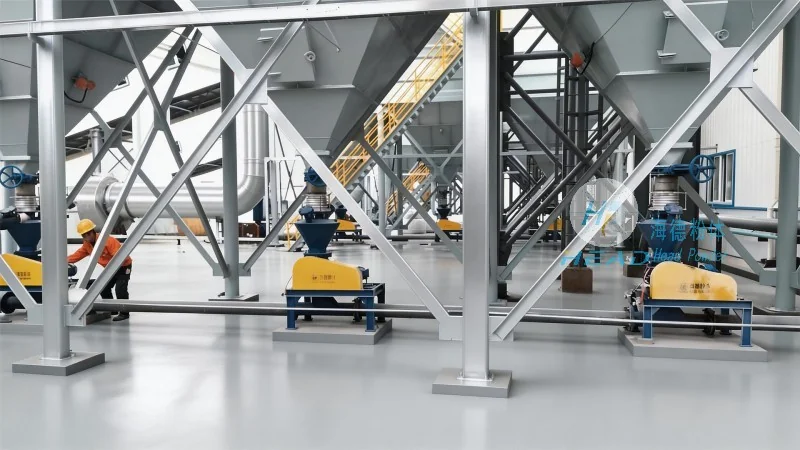
Technical Components of Pneumatic Salt Conveying Systems
Our pneumatic conveying systems for salt handling typically consist of several key components, each designed to optimize performance and ensure reliable operation. The primary components include a material feed hopper, which stores and meters the salt into the system; a rotary airlock valve, which controls the flow of material into the pipeline; a conveying pipeline, which transports the salt using compressed air; and a receiver or discharge hopper, which collects the material at the destination. The system may also include a dust collector to remove any airborne particles and maintain air quality, as well as a control panel to monitor and adjust operational parameters such as air pressure and flow rate. For salt applications, the pipeline material is often selected from materials like stainless steel or food-grade plastic to prevent corrosion and ensure compliance with hygiene standards. The air compressor, which provides the necessary pressure for conveying, is typically sized to handle the specific volume and distance of the transport, ensuring efficient energy use.
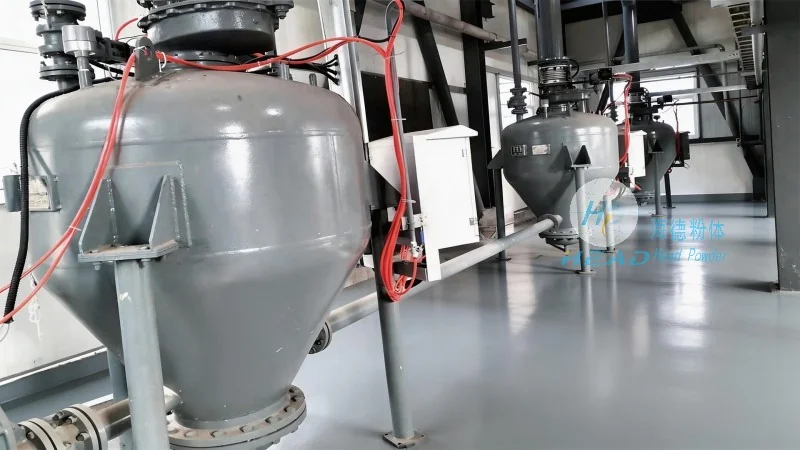
Application Examples in the Salt Industry
HeadPowder Engineering has successfully implemented pneumatic conveying systems in various salt processing facilities across China and beyond. For example, in a large-scale table salt production plant, our system was installed to transport raw salt from storage silos to the refining and packaging lines. The system was designed to handle 500 tons of salt per hour, with a conveying distance of 200 meters. The result was a significant reduction in labor costs and a 15% increase in production efficiency compared to the previous mechanical conveyor system. Another application involved transporting industrial-grade salt from a mine to a processing plant, where the system was configured to handle a mix of coarse and fine particles. The flexibility of the pneumatic network allowed for the simultaneous delivery of salt to both the processing line and a storage silo, improving overall operational flow. These case studies demonstrate the versatility and effectiveness of pneumatic conveying in addressing the specific challenges of salt handling, such as material variability and the need for clean, dry transport.
Maintenance and Operational Considerations for Pneumatic Salt Systems
Proper maintenance is essential to ensure the long-term reliability and efficiency of pneumatic conveying systems used for salt transportation. Regular inspection of components such as the rotary airlock valve, pipeline, and air compressor is critical to prevent issues like blockages or leaks. For salt systems, it is important to monitor for signs of moisture or dust accumulation, as these can affect air quality and system performance. The use of filters and moisture separators in the air compressor system helps maintain clean air, reducing the risk of corrosion or material degradation. Additionally, the system should be equipped with safety features such as pressure relief valves and emergency shut-off mechanisms to protect against overpressure or other hazards. By following a regular maintenance schedule and using high-quality components, clients can extend the lifespan of their pneumatic conveying systems and minimize downtime. HeadPowder provides comprehensive maintenance services, including on-site inspections and component replacement, to support our clients in maximizing the performance of their salt handling systems.