

Types and Characteristics of Coal and Sand Pneumatic Conveying Systems and Their Application Ranges
HeadPowder, a leading provider of industrial material handling solutions, specializes in the design, manufacturing, and implementation of advanced pneumatic conveying systems for various bulk materials, including coal and sand. With a strong presence in Shandong, China, the company has established itself as a trusted partner for industries requiring efficient and reliable material transport solutions.
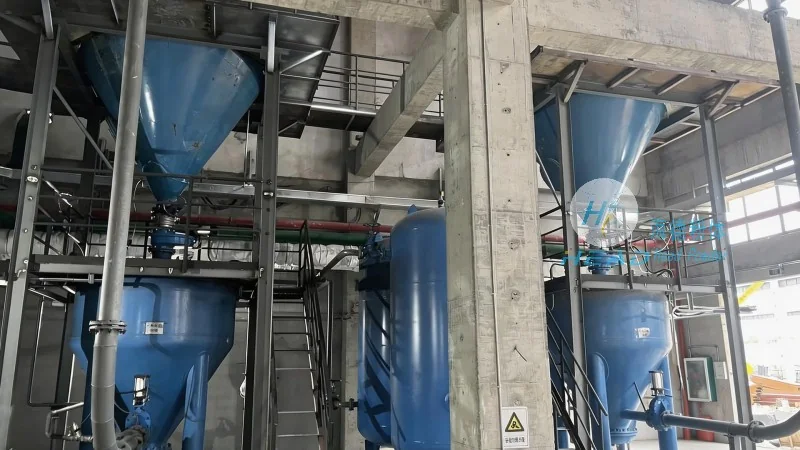
Overview of Coal and Sand Pneumatic Conveying Systems
Pneumatic conveying systems are widely used in the processing and transportation of bulk materials such as coal and sand due to their ability to handle abrasive and dusty materials with minimal wear and operational complexity. These systems utilize air pressure to move materials through a pipeline network, offering advantages over traditional mechanical conveying methods like belt conveyors or screw conveyors. The primary goal of coal and sand pneumatic conveying is to transport these materials from one location to another within a processing facility or between different industrial sites, ensuring smooth and continuous material flow.
Types of Coal and Sand Pneumatic Conveying Systems
There are several types of pneumatic conveying systems tailored for coal and sand applications, each with distinct operational principles and suitability for different material characteristics and process requirements. The main categories include:
1. Positive Pressure Conveying: This system operates by blowing air into the material to be conveyed, creating a positive pressure within the pipeline. The air flow propels the material forward, making it suitable for short to medium-distance transport and handling of relatively dry materials. Positive pressure systems are commonly used in applications where the material is non-abrasive and the conveying distance is limited.
2. Negative Pressure (Vacuum) Conveying: In contrast to positive pressure systems, negative pressure systems draw material into the pipeline using a vacuum created by a fan or blower. This method is ideal for handling fine powders and dusty materials, as it prevents dust from escaping into the environment. Negative pressure conveying is often preferred for long-distance transport and when the material is highly abrasive or contains moisture.
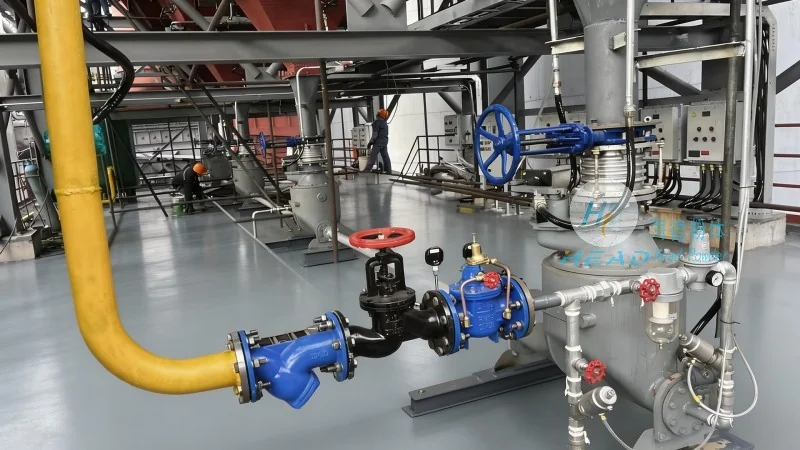
3. Combination (Mixed) Conveying: Some systems combine both positive and negative pressure principles to optimize material transport. For instance, a system might use positive pressure to move material from a storage silo to a transfer point and then switch to negative pressure for the final delivery to a processing unit. This hybrid approach allows for flexibility in handling different material properties and varying conveying distances.
4. High-Pressure Conveying: High-pressure systems utilize higher air velocities to transport materials at higher speeds, which is beneficial for long-distance transport of coarse materials like coal and sand. These systems typically operate at pressures of 7 to 10 bar and are designed to handle high volumes of material efficiently. High-pressure conveying is often used in large-scale industrial applications where material throughput is critical.
Key Features of Coal and Sand Pneumatic Conveying Systems
Effective coal and sand pneumatic conveying systems exhibit several key features that enhance their performance and reliability. These features include:
1. Material Handling Efficiency: The systems are engineered to handle abrasive and heavy materials without significant wear on components, ensuring long service life and minimal maintenance. The design incorporates wear-resistant materials for the pipeline, valves, and other components to withstand the impact of coal and sand particles.
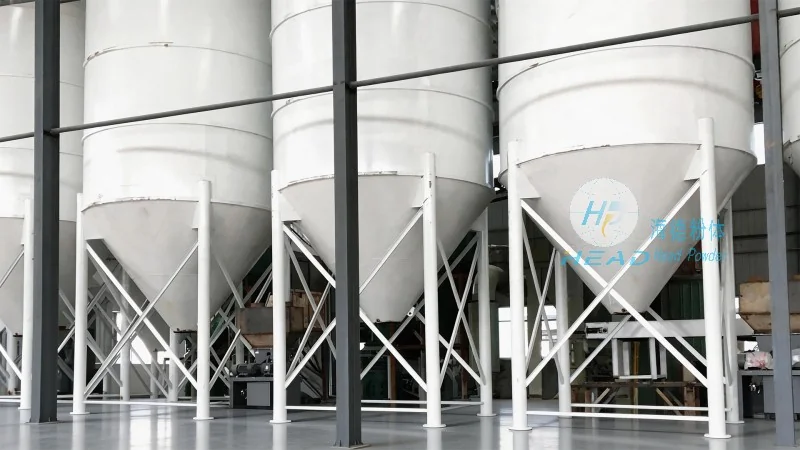
2. Environmental Control: Modern pneumatic conveying systems incorporate dust collection and filtration systems to minimize environmental impact. This is particularly important for coal and sand, which can generate significant dust during handling. The use of sealed systems and efficient filtration ensures compliance with environmental regulations and maintains a clean working environment.
3. Process Integration: Coal and sand pneumatic conveying systems can be seamlessly integrated with existing industrial processes, such as crushing, screening, and blending operations. This integration allows for a continuous material flow from extraction to final processing, improving overall plant efficiency and reducing downtime.
4. Customization and Scalability: HeadPowder offers customized solutions tailored to specific customer requirements, including system size, material characteristics, and operational conditions. The systems can be scaled to accommodate varying production volumes, from small-scale operations to large industrial facilities. This flexibility ensures that the conveying system meets the exact needs of the application.
Application Ranges of Coal and Sand Pneumatic Conveying Systems
The application ranges of coal and sand pneumatic conveying systems are diverse and cover various industrial sectors. Some of the key applications include:
1. Coal Handling in Power Plants: In thermal power plants, coal is transported from storage silos to boilers using pneumatic conveying systems. These systems ensure a continuous and reliable supply of coal, which is crucial for maintaining consistent power generation. The systems are designed to handle large volumes of coal and can operate under high-pressure conditions to cover long distances.
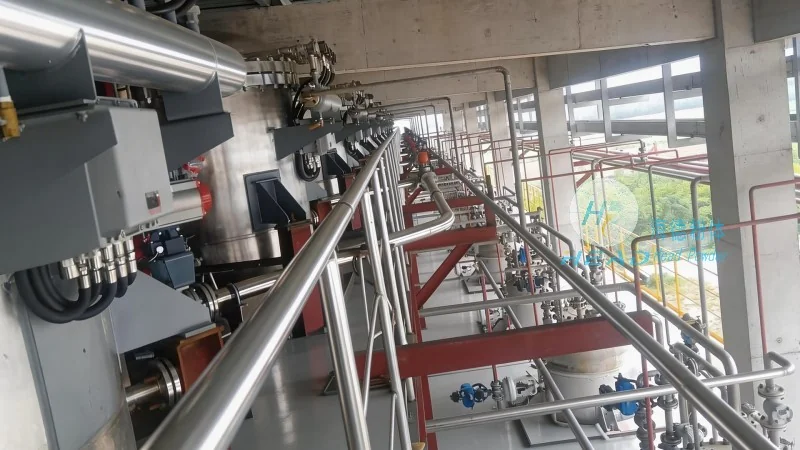
2. Sand and Gravel Transport in Construction Industries: In the construction sector, sand and gravel are commonly used as raw materials for concrete production. Pneumatic conveying systems are used to transport these materials from quarries or storage areas to concrete mixing plants. The systems are capable of handling abrasive sand and gravel, ensuring efficient material transport without damage to the pipeline or components.
3. Industrial Dust Collection and Material Recovery: In industries that generate fine dust from coal and sand processing, pneumatic conveying systems are used for dust collection and material recovery. The systems can capture dust particles and transport them back to the processing line or to a storage facility, reducing waste and improving material utilization.
4. Chemical and Mineral Processing: Coal and sand are also used in chemical and mineral processing applications, such as in the production of cement or other industrial minerals. Pneumatic conveying systems are used to transport these materials between processing stages, ensuring a smooth and continuous flow of raw materials and intermediate products.
5. Environmental Remediation Projects: In environmental remediation projects, such as the handling of contaminated soil or coal ash, pneumatic conveying systems are used to transport these materials to treatment facilities. The systems are designed to handle hazardous materials while maintaining safety and environmental compliance.