

[Fly Ash Technical Parameters and Conveying System Process]
For industrial applications, understanding the technical parameters of fly ash and the design of its conveying systems is crucial for efficient material handling and environmental compliance. This article provides an overview of key technical parameters associated with fly ash and the process of designing and implementing effective conveying systems.
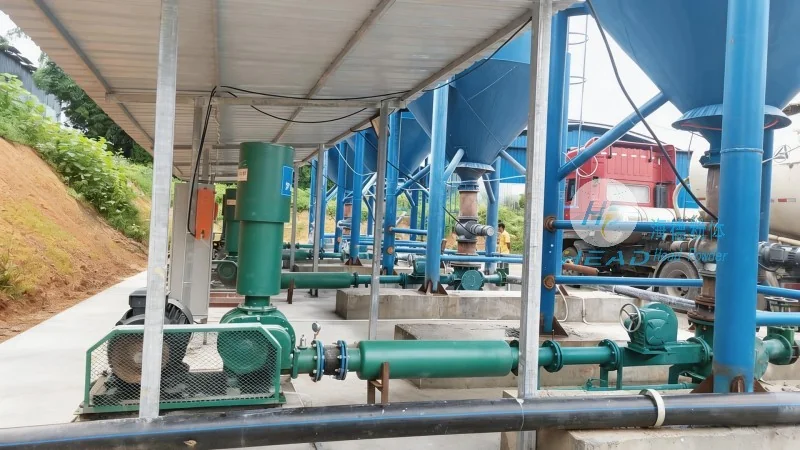
Key Technical Parameters of Fly Ash
Fly ash, a byproduct of coal combustion in thermal power plants, is characterized by several critical technical parameters that influence its handling and utilization. These parameters include particle size distribution, moisture content, bulk density, and chemical composition. Particle size distribution, typically ranging from sub-micron to several microns, affects the flowability and settling behavior of the material. Moisture content is a critical factor as excess moisture can lead to caking and blockages in conveying systems. Bulk density, which varies based on the ash's composition and processing, impacts the volume and weight of material transported. Chemical composition, including the presence of calcium, silicon, and other elements, determines the ash's reactivity and potential applications in construction and other industries.
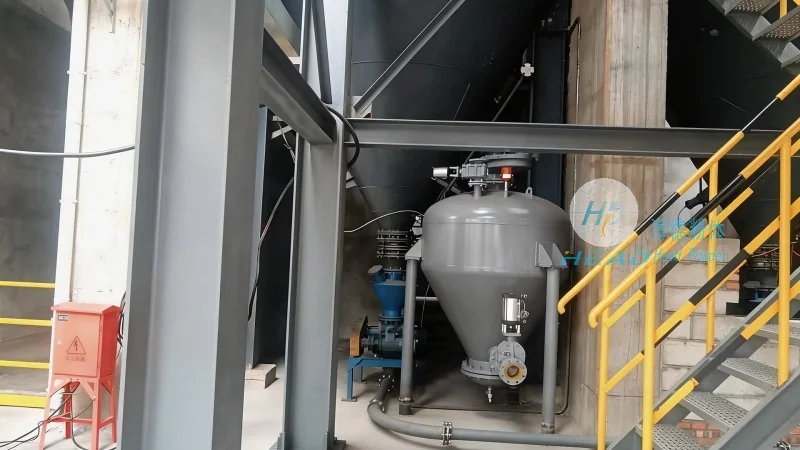
Design Considerations for Fly Ash Conveying Systems
The design of a fly ash conveying system must consider the material's physical properties to ensure reliable and efficient transport. Key design considerations include the selection of appropriate equipment such as screw conveyors, pneumatic conveyors, or bucket elevators. Screw conveyors are commonly used for horizontal or slight incline transport due to their simplicity and effectiveness in handling dry, free-flowing materials like fly ash. Pneumatic conveyors, on the other hand, are suitable for longer distances or when the ash has a higher moisture content, as they use air pressure to move the material through pipelines. The choice of conveyor type depends on factors like the distance to be covered, the required flow rate, and the material's characteristics. Additionally, system design must address issues like material segregation, wear and tear on equipment, and environmental controls to minimize dust emissions and ensure compliance with local regulations.
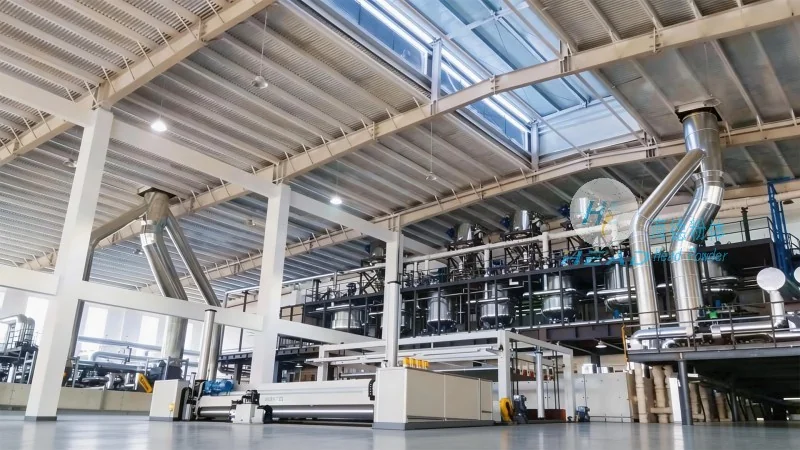
Process Flow and System Integration
The conveying system process typically involves several stages, starting from the collection of fly ash from the boiler and moving it through a series of processing units. The first stage includes ash collection and storage, where the ash is gathered from the boiler and stored in a hopper or silo. From there, the ash is transferred to the conveying equipment, which moves it to the next processing stage or final disposal location. The process may include drying or conditioning steps to adjust moisture content and improve flowability before transport. System integration is critical to ensure smooth operation, with proper controls and monitoring to maintain consistent flow rates and prevent blockages. Regular maintenance and inspection of the conveying system are essential to minimize downtime and ensure long-term reliability.
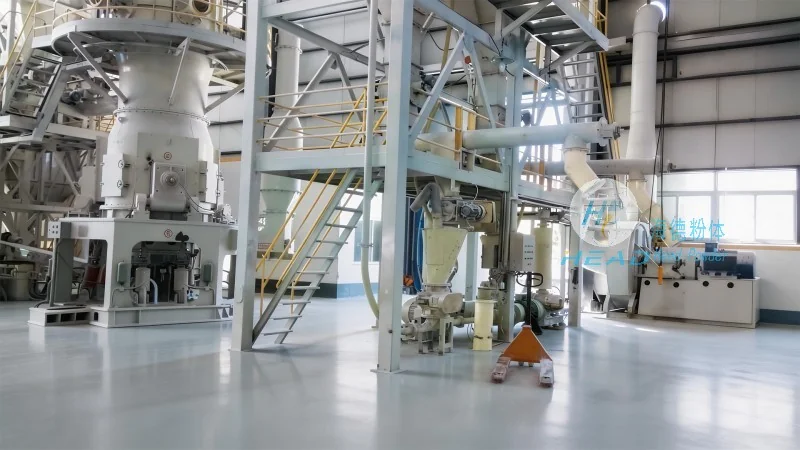
Applications and Industry Impact
Efficient fly ash conveying systems are vital for industries that utilize fly ash as a raw material, such as cement production, concrete manufacturing, and construction projects. The ability to transport fly ash reliably and in large quantities supports the sustainable use of this byproduct, reducing the environmental impact of coal combustion. By adhering to technical parameters and proper system design, companies can enhance operational efficiency, reduce costs, and contribute to environmental sustainability. The expertise of companies like Shandong HeadPowder Engineering Co., Ltd. in designing and implementing advanced fly ash conveying systems plays a significant role in meeting these industry needs.