

Technical Parameters and Conveying System Process for Silica Fume
Shandong HeadPowder Engineering Co., Ltd., a leading enterprise in the field of silica fume technology, specializes in providing comprehensive solutions related to silica fume's technical specifications and efficient conveying systems. Based in Shandong, China, the company, operating under the brand name headpowder, has established itself as a reliable partner for industries requiring high-quality silica fume and advanced material handling technologies.
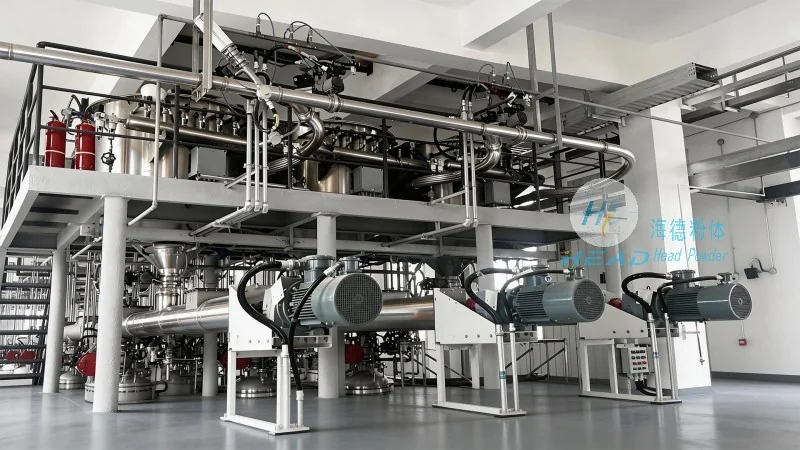
Key Technical Parameters of Silica Fume
Understanding the technical parameters of silica fume is crucial for its effective application in various industrial processes. Silica fume, also known as microsilica, is a byproduct of silicon metal or ferrosilicon production, characterized by its extremely fine particle size and high surface area. The primary technical parameters that define its quality and performance include:
Firstly, the specific surface area of silica fume is a critical factor. Typically ranging from 15,000 to 25,000 m²/kg, this high surface area contributes to its excellent pozzolanic activity, which enhances the strength and durability of concrete when used as an admixture. Secondly, the specific gravity of silica fume is approximately 2.2, indicating its density and how it behaves in storage and transportation. Thirdly, the moisture content is usually kept below 0.5%, ensuring the material remains dry and free-flowing, which is essential for consistent performance in conveying systems. Additionally, the pH value of silica fume is around 12, reflecting its alkaline nature, which is important for compatibility with concrete mixes and other applications.
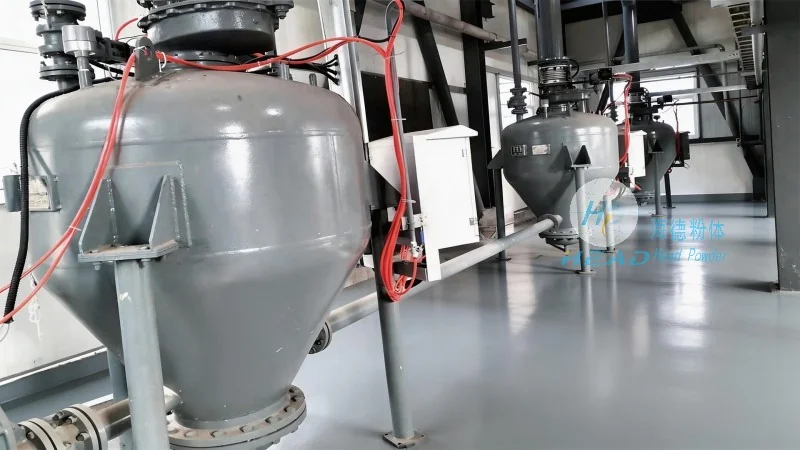
Conveying System Process for Silica Fume
The efficient handling and transportation of silica fume require specialized equipment and processes to maintain its quality and prevent degradation. The conveying system for silica fume typically involves several key components and steps, designed to ensure a smooth and reliable flow from storage to the point of use. The process begins with the storage of silica fume in silos or bulk containers, where the material is kept under controlled conditions to avoid caking or moisture absorption.
From the storage silos, the silica fume is transferred to the conveying equipment, which may include pneumatic conveying systems or mechanical screw conveyors. Pneumatic conveying systems are commonly used for long-distance transport and are particularly effective for handling fine powders like silica fume. These systems utilize air pressure to move the material through pipelines, ensuring minimal product loss and contamination. The design of the conveying system takes into account the high dust generation potential of silica fume, incorporating dust collection and filtration systems to maintain air quality and comply with environmental regulations.
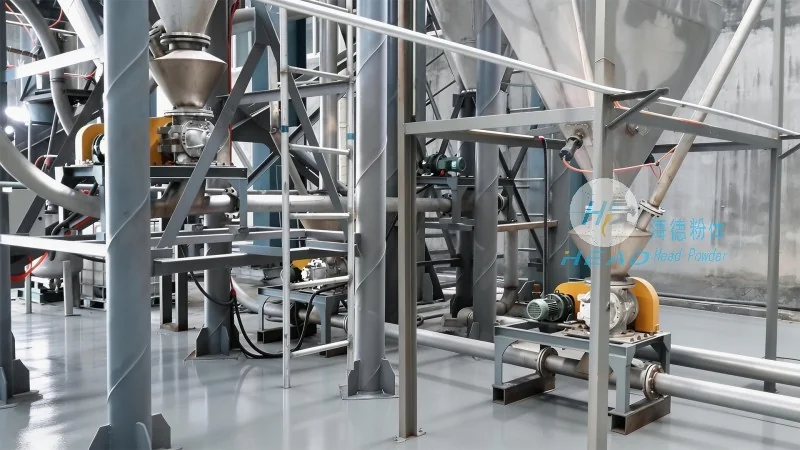
Another important aspect of the conveying process is the feeding mechanism, which ensures a consistent and controlled flow of silica fume into the conveying line. This may involve rotary valves, star feeders, or other metering devices that regulate the material's discharge rate. Proper feeding is essential to prevent blockages, which can occur due to the fine particle size and tendency of silica fume to agglomerate under certain conditions. The system also includes pressure relief and safety valves to protect against overpressure and ensure safe operation.
Application and Performance Considerations
When integrating silica fume into industrial applications, such as concrete production or other high-performance materials, the conveying system's design directly impacts the final product's quality. The consistent delivery of silica fume, as ensured by the optimized conveying process, guarantees that the material's technical parameters are maintained throughout the handling and mixing stages. This leads to uniform properties in the end product, such as improved compressive strength, reduced permeability, and enhanced durability.
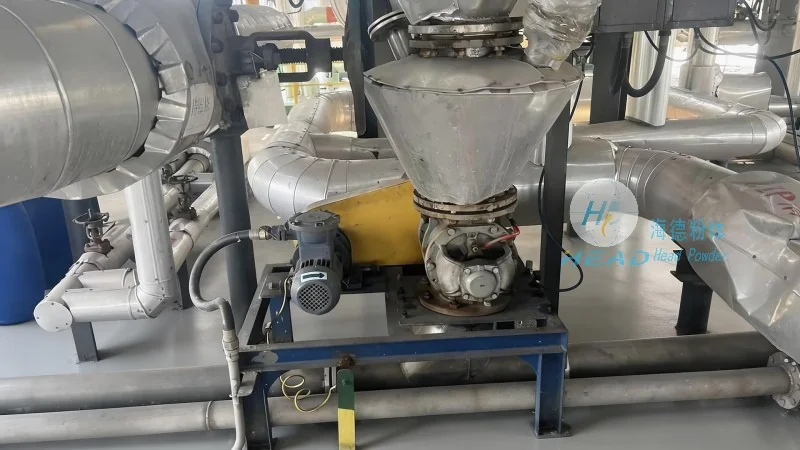
Moreover, the efficiency of the conveying system contributes to cost savings by minimizing material waste and reducing downtime caused by equipment malfunctions. The use of advanced materials and engineering in the design of the conveying components, such as wear-resistant liners and high-efficiency filters, further enhances the system's longevity and operational reliability. Shandong HeadPowder Engineering Co., Ltd. leverages its expertise in both silica fume technology and material handling to provide customized conveying solutions that meet the specific needs of each client, ensuring optimal performance and compliance with industry standards.
Conclusion
In summary, the technical parameters of silica fume and the design of its conveying system are integral to its successful application in various industries. The high specific surface area, low moisture content, and alkaline nature of silica fume make it a valuable additive, while the efficient conveying process ensures its quality is preserved from storage to use. As a leading provider in this field, Shandong HeadPowder Engineering Co., Ltd. continues to innovate and refine its solutions to support the growing demand for high-performance silica fume and advanced material handling technologies.