

The Role of Pneumatic Conveying in Calcium Carbide Dust Removal and Transport
Calcium carbide dust, a byproduct of industrial processes, poses unique challenges in handling and transportation due to its fine particle size, chemical reactivity, and potential health hazards. Traditional methods like belt conveyors or manual handling often struggle with dust dispersion, material loss, and operational inefficiencies. This article explores how pneumatic conveying systems, provided by Shandong HeadPowder Engineering Co., Ltd., address these challenges effectively, ensuring safe and efficient transport of calcium carbide dust.
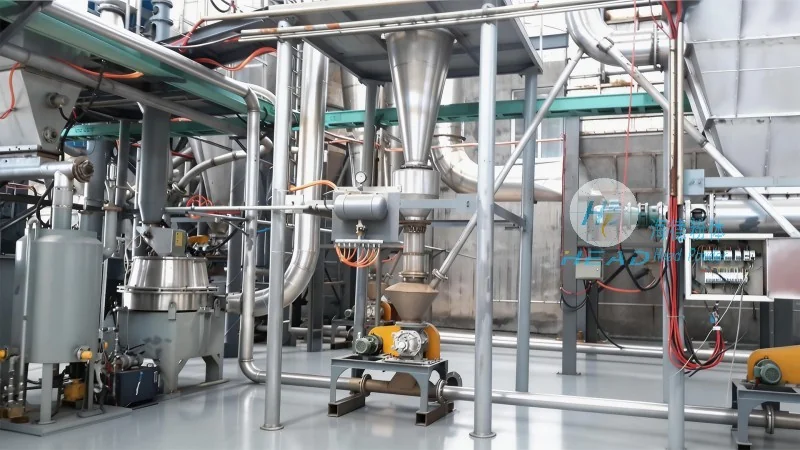
Understanding the Challenges of Calcium Carbide Dust Transport
Calcium carbide, commonly used in chemical synthesis and metallurgy, generates fine dust during production and processing. This dust is not only difficult to contain but also poses environmental and health risks if not managed properly. Traditional bulk material handling equipment, such as screw conveyors or bucket elevators, may suffer from clogging, material degradation, and increased maintenance costs when dealing with such reactive powders. The need for a more reliable and efficient solution led to the development and adoption of pneumatic conveying technology.
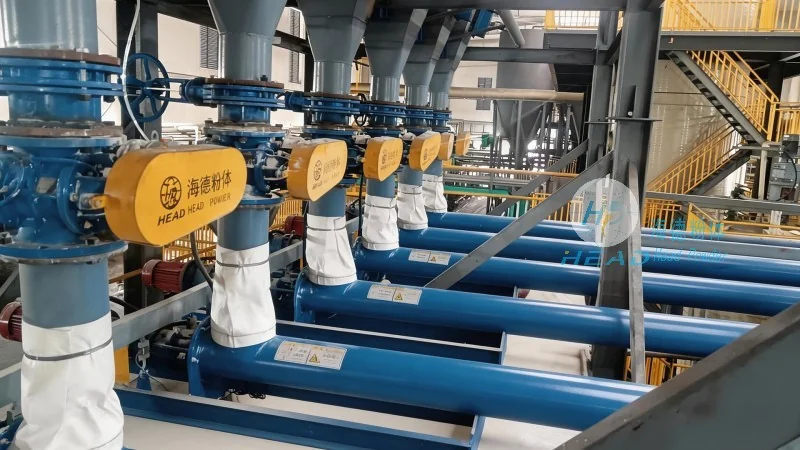
Pneumatic Conveying: A Superior Solution for Dust Transport
Shandong HeadPowder Engineering Co., Ltd. specializes in designing and manufacturing advanced pneumatic conveying systems tailored for calcium carbide dust applications. Pneumatic conveying utilizes air or gas to transport bulk materials through a pipeline system, eliminating the need for mechanical components that often cause wear and tear in traditional systems. The company’s solutions are engineered to handle the specific properties of calcium carbide dust, including its fine particle size, moisture content, and chemical reactivity, ensuring consistent performance and minimal material loss.
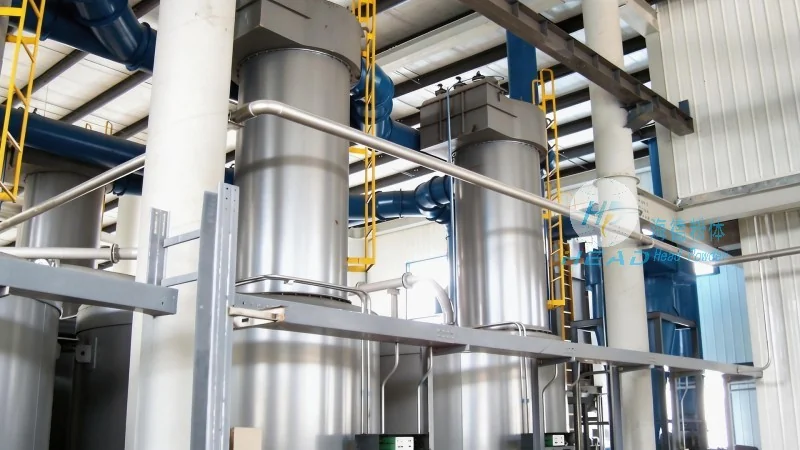
Key Advantages of Pneumatic Conveying for Calcium Carbide Dust
One of the primary advantages of pneumatic conveying is its ability to handle fine, abrasive, and reactive powders without the risk of clogging or material degradation. Unlike mechanical conveyors that rely on moving parts, pneumatic systems use air pressure to move material, reducing the likelihood of blockages and extending equipment lifespan. Additionally, these systems offer better containment, minimizing dust emissions and improving workplace safety. For calcium carbide dust, which is highly reactive and can cause burns or respiratory issues if inhaled, the enclosed nature of pneumatic conveying is crucial for maintaining a safe working environment.
Customized Solutions by Shandong HeadPowder Engineering Co., Ltd.
Shandong HeadPowder Engineering Co., Ltd. understands that each industrial application has unique requirements. The company offers customized pneumatic conveying solutions that can be tailored to specific production volumes, material characteristics, and facility layouts. Whether it's a low-pressure or high-pressure system, the company’s engineers work closely with clients to design a system that meets their operational needs while ensuring compliance with industry standards and safety regulations. The company’s expertise in material handling and pneumatic technology ensures that the solutions are not only efficient but also cost-effective in the long run.
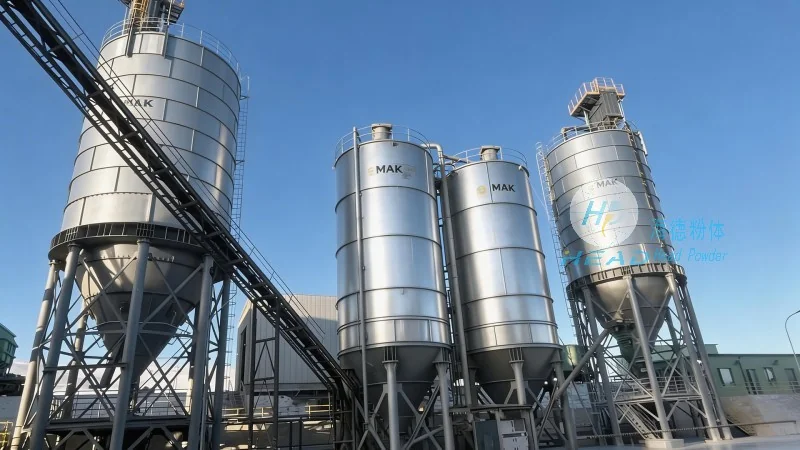
Enhancing Operational Efficiency and Safety
By implementing pneumatic conveying systems, industries dealing with calcium carbide dust can significantly improve their operational efficiency and safety. The systems reduce downtime caused by equipment failures and material blockages, leading to increased productivity. Moreover, the enclosed design of pneumatic conveying minimizes dust exposure, protecting workers from health hazards and reducing the risk of environmental contamination. Shandong HeadPowder Engineering Co., Ltd. provides comprehensive support, including installation, maintenance, and technical assistance, to ensure that clients can maximize the benefits of their pneumatic conveying systems.