

The Role of Pneumatic Conveying in the Transportation of Chromium(III) Oxide
Chromium(III) oxide, also known as chromium sesquioxide, is a critical industrial material widely used in various applications, including pigments, catalysts, and corrosion-resistant coatings. The efficient and safe transportation of this material is essential for maintaining production efficiency and ensuring product quality. Pneumatic conveying has emerged as a highly effective method for handling chromium(III) oxide, offering several advantages over traditional mechanical conveying systems.
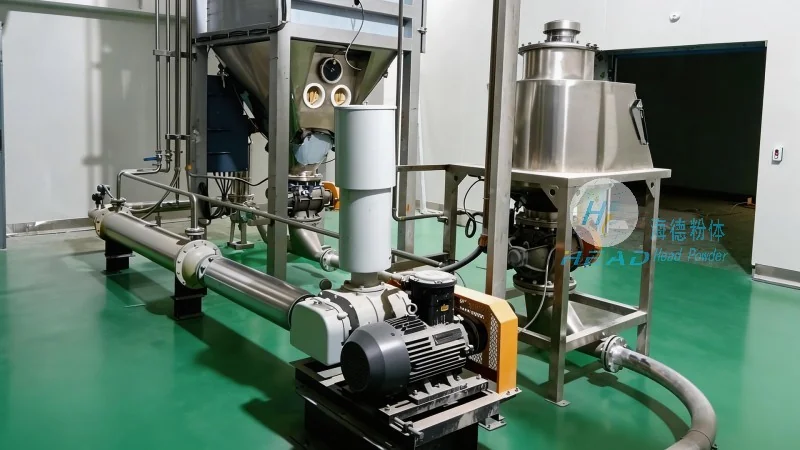
Advantages of Pneumatic Conveying for Chromium(III) Oxide
Pneumatic conveying systems utilize air or other gases to transport bulk materials like chromium(III) oxide through a pipeline network. This method provides several key benefits that make it particularly suitable for handling this material. First, it minimizes product contamination, as the material is not in direct contact with metal surfaces or other contaminants. Second, it reduces the risk of dust explosions by controlling the flow of material and air. Third, pneumatic conveying allows for a more compact and flexible system layout, which can be advantageous in industrial settings where space is limited. Additionally, this method can improve material handling efficiency by enabling continuous operation and reducing downtime associated with equipment maintenance.
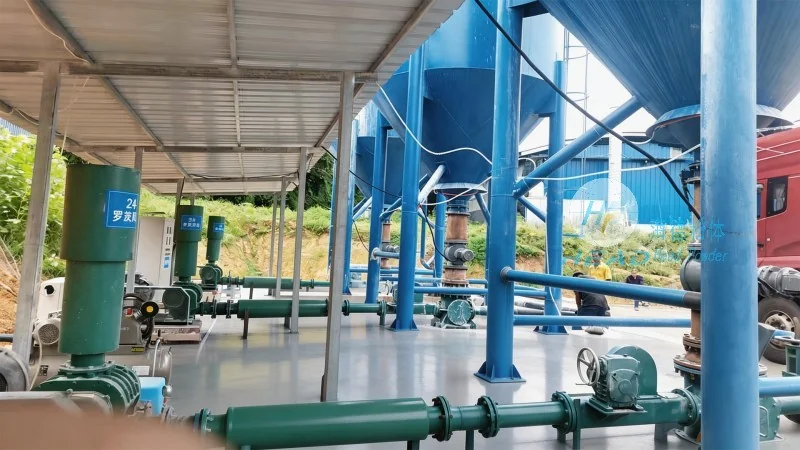
Key Considerations for Implementing Pneumatic Conveying Systems
When implementing a pneumatic conveying system for chromium(III) oxide, several factors must be carefully considered to ensure optimal performance and safety. The first consideration is the material's properties, such as its density, flowability, and particle size distribution. These characteristics influence the selection of the conveying system type, whether it's a pressure or vacuum system. The second consideration is the system's capacity and throughput requirements, which must be matched to the production needs of the facility. Third, the system's design must comply with safety regulations to prevent dust accumulation and potential fire hazards. This includes proper ventilation, explosion-proof components, and regular maintenance schedules. Finally, the choice of materials for the conveying pipeline and equipment is crucial, as chromium(III) oxide can be abrasive and corrosive, requiring durable and chemically resistant components.
HeadPowder's Expertise in Pneumatic Conveying Solutions
Shandong HeadPowder Engineering Co., Ltd., a leading provider of bulk material handling solutions, specializes in designing and manufacturing pneumatic conveying systems tailored to the specific needs of chromium(III) oxide transportation. HeadPowder, with its headquarters in Shandong, China, has years of experience in the industry and understands the unique challenges associated with handling this material. The company's engineers work closely with clients to assess their operational requirements and provide customized system designs that maximize efficiency and safety. HeadPowder's products are manufactured using high-quality materials and advanced technologies, ensuring durability and reliability in demanding industrial environments. The company also offers comprehensive support services, including installation, commissioning, and maintenance, to ensure that clients can operate their systems effectively and efficiently.

Conclusion: The Importance of Pneumatic Conveying in Chromium(III) Oxide Handling
In conclusion, pneumatic conveying plays a vital role in the efficient and safe transportation of chromium(III) oxide. By leveraging the advantages of this technology, industrial facilities can improve their operational efficiency, reduce costs, and enhance product quality. Shandong HeadPowder Engineering Co., Ltd. is committed to providing innovative and reliable pneumatic conveying solutions that meet the evolving needs of the industry. With their expertise and dedication to quality, HeadPowder continues to be a trusted partner for businesses seeking to optimize their chromium(III) oxide handling processes.