

What is Dust Pneumatic Conveying, Classification and Applications of Pneumatic Conveying
HeadPowder, a leading provider in the field of material handling solutions, offers insights into the world of dust pneumatic conveying. This technology is a critical method for transporting bulk materials, particularly fine powders and dust, through a pipeline using air or gas as the conveying medium. The process involves creating a pressure differential to move the material from the source to the destination, making it an efficient and versatile solution for various industrial applications.
What is Dust Pneumatic Conveying?
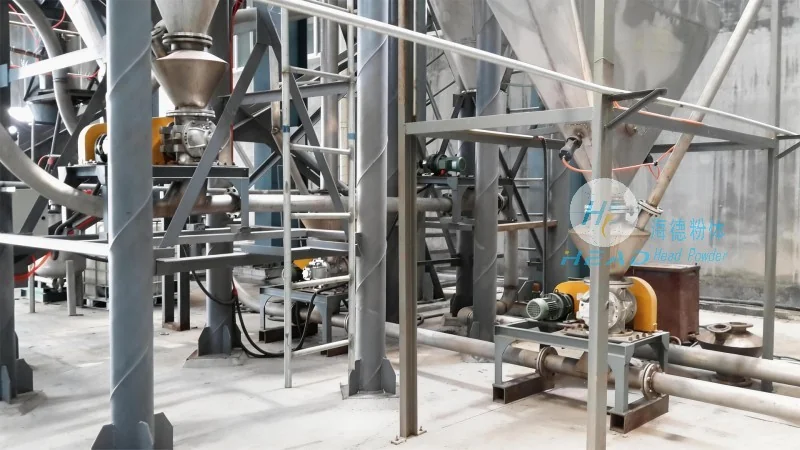
Dust pneumatic conveying, also known as pneumatic transport, is a system that utilizes air or gas to transport particulate materials like dust, powders, and granules. The core principle involves generating a flow of air within a pipeline, which then carries the material particles along. This method is distinct from mechanical conveying systems, as it relies on fluid dynamics rather than mechanical components to move the material. The system typically includes a hopper for material storage, a conveyor line, and a receiver for the discharged material, all connected by a network of pipes.
Key Components of a Dust Pneumatic Conveying System
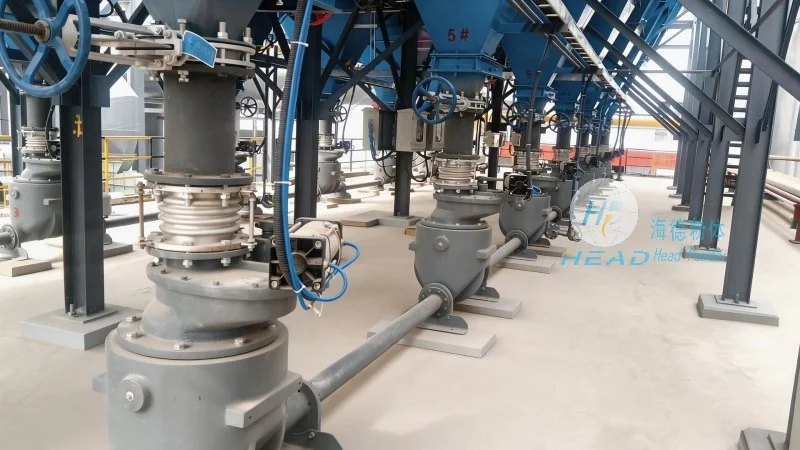
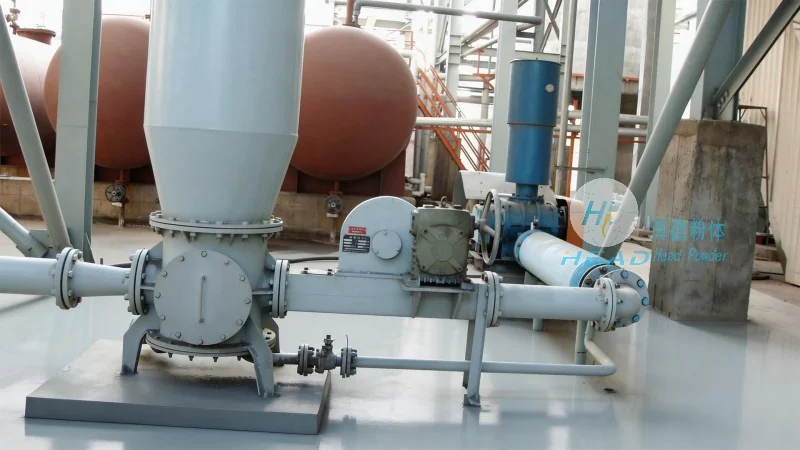
At the heart of any dust pneumatic conveying system are several key components that work in tandem to ensure efficient material transport. The primary components include a material feed hopper, which holds the bulk material and regulates its flow into the system. A rotary valve or feeder is often used to control the discharge rate of the material from the hopper, ensuring a consistent feed. The conveying line, typically made of metal or plastic, is the main pipeline through which the material travels. The air or gas is supplied by a blower or compressor, which creates the necessary pressure to move the material. A filter or separator is crucial for capturing any material that may be carried by the air stream, preventing contamination and ensuring clean air release. Finally, a receiver or discharge hopper collects the material at the end of the pipeline, completing the transport process.
Classification of Pneumatic Conveying Systems
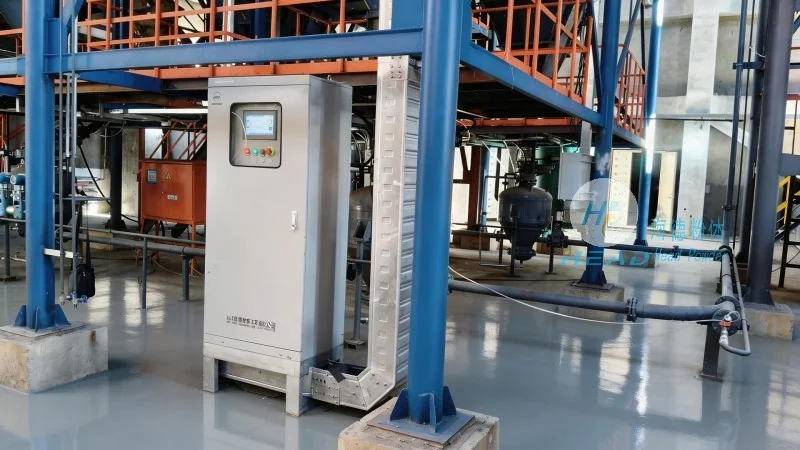
Pneumatic conveying systems are broadly classified into two main categories based on the pressure differential used to move the material: pressure and vacuum systems. Pressure systems operate under positive pressure, where the conveying air is supplied from a blower or compressor, creating a pressure higher than the ambient air. This type of system is suitable for long-distance and high-capacity transport, as it can handle larger volumes of material and overcome greater resistance. Vacuum systems, on the other hand, operate under negative pressure, where the air is drawn from the pipeline using a vacuum pump, creating a lower pressure than the ambient air. These systems are ideal for short-distance transport and for handling materials that are sensitive to pressure changes or for applications where the material needs to be drawn from a source, such as in dust collection systems.
Applications of Dust Pneumatic Conveying
The versatility of dust pneumatic conveying makes it applicable across a wide range of industries. In the pharmaceutical industry, it is used to transport fine powders and granules, ensuring a sterile and contamination-free process. The food and beverage industry utilizes this technology for handling ingredients like flour, sugar, and spices, maintaining hygiene standards and preventing cross-contamination. In the chemical industry, it is employed to transport various powders and granules, including raw materials and finished products, while adhering to safety regulations. The mining and mineral processing sector also benefits from this technology, as it efficiently transports ore dust and other fine materials from processing plants to storage or processing facilities. Additionally, in the construction industry, dust pneumatic conveying is used for handling cement, sand, and other building materials, improving efficiency and reducing labor costs.
Advantages of Using Dust Pneumatic Conveying
Compared to traditional mechanical conveying methods, dust pneumatic conveying offers several advantages that make it a preferred choice for many industries. One of the key benefits is its ability to handle fine and abrasive materials without causing wear and tear on the system components. The enclosed pipeline system prevents dust from escaping into the environment, improving workplace safety and compliance with environmental regulations. It also allows for flexible and modular system designs, as the pipeline can be easily reconfigured or expanded to accommodate changing production needs. Furthermore, the system can be integrated with other processing equipment, such as mixers and classifiers, to create a seamless material handling process. The energy efficiency of modern pneumatic conveying systems has also improved, making them a more sustainable option for industrial applications.
Challenges and Considerations in Dust Pneumatic Conveying
While dust pneumatic conveying offers numerous benefits, there are also challenges and considerations that must be addressed to ensure optimal performance. One of the main challenges is the potential for material buildup or blockages in the pipeline, especially with sticky or cohesive materials. This can lead to system downtime and increased maintenance costs. To mitigate this, regular cleaning and maintenance of the system are essential, including the use of cleaning devices and the selection of appropriate materials for the pipeline and components. Another consideration is the energy consumption of the system, as high-pressure systems can be more energy-intensive. However, advancements in blower technology and system design have helped to reduce energy costs. Additionally, the selection of the appropriate conveying system type (pressure or vacuum) is critical, as it depends on the specific material properties, distance, and capacity requirements. Proper system design and engineering are crucial to ensure that the system operates efficiently and reliably.
Conclusion
HeadPowder Engineering Co., Ltd., based in Shandong, China, specializes in providing high-quality dust pneumatic conveying systems tailored to the diverse needs of various industries. By understanding the principles, classifications, and applications of pneumatic conveying, businesses can select the most suitable system for their material handling requirements. Whether it's for transporting fine powders in pharmaceuticals or handling bulk materials in construction, dust pneumatic conveying offers a reliable and efficient solution. With continuous advancements in technology, this method is likely to remain a vital component of industrial material handling for years to come.