

What is Nickel Powder Pneumatic Conveying? Classification and Applications of Pneumatic Conveying
Pneumatic conveying is a method used to transport bulk materials, including powders and granules, through a pipeline using air or other gas as the conveying medium. When applied to nickel powder, this technology becomes a critical process in various industrial applications. Understanding the principles, classifications, and practical applications of nickel powder pneumatic conveying is essential for optimizing material handling efficiency and ensuring product integrity in manufacturing operations.
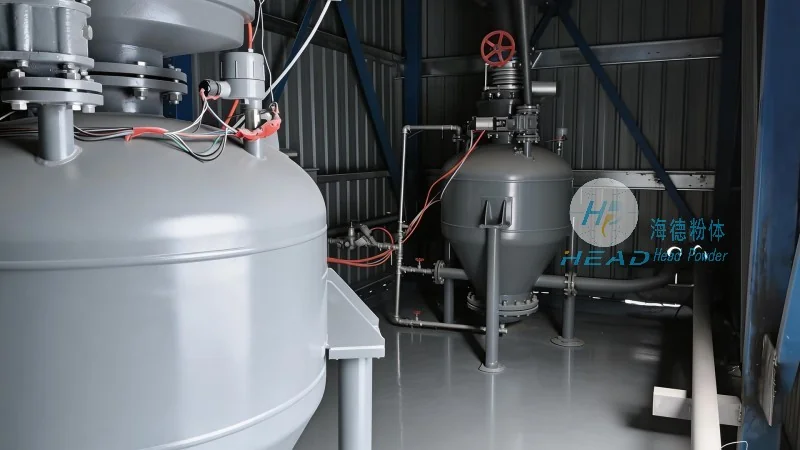
Key Components of Pneumatic Conveying Systems
A typical pneumatic conveying system for nickel powder consists of several key components. These include a hopper or feeder to store and meter the powder, a blower or compressor to generate the air flow, a pipeline network to transport the material, and a receiver or discharge point to collect the conveyed powder. The design of these components is crucial for maintaining consistent flow rates, preventing material degradation, and ensuring safe operation. For nickel powder, which is often sensitive to moisture and contamination, the system must be equipped with features such as dust collection, filtration, and temperature control to preserve the material's quality.
Classification of Pneumatic Conveying Systems
Pneumatic conveying systems are generally classified based on the pressure and flow characteristics of the conveying medium. The two primary categories are pressure and vacuum systems. Pressure systems operate by forcing air or gas into the pipeline at a pressure higher than the ambient air pressure, while vacuum systems create a negative pressure to draw material into the pipeline. Within these categories, subtypes include dense-phase and dilute-phase conveying. Dense-phase conveying involves moving material in a semi-solid state, which is ideal for handling delicate or abrasive powders like nickel powder, as it reduces particle impact and friction. Dilute-phase conveying, on the other hand, transports material in a more dispersed state, suitable for lighter or less abrasive powders. The choice of system type depends on factors such as material properties, distance to be conveyed, and required flow rate.
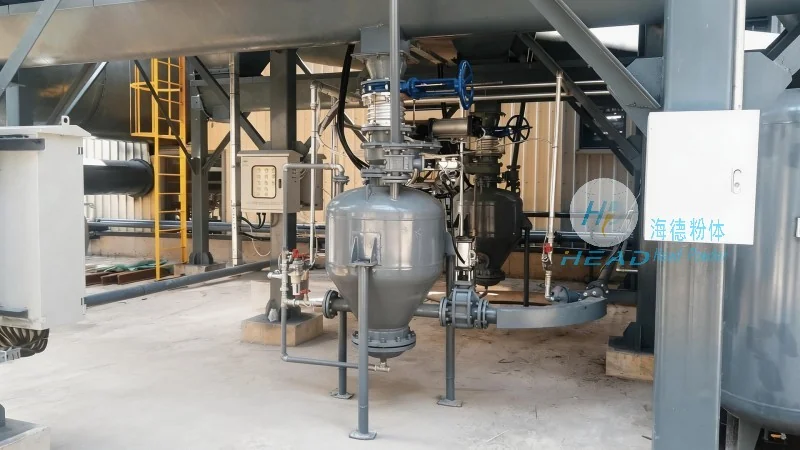
Applications of Nickel Powder Pneumatic Conveying
Nickel powder is widely used in the production of stainless steel, superalloys, and other high-performance materials. Pneumatic conveying plays a vital role in the supply chain for these applications, enabling efficient and safe transport of nickel powder from storage facilities to processing plants. In the stainless steel industry, for example, nickel powder is used as an alloying element to enhance corrosion resistance and mechanical properties. The pneumatic conveying system ensures that the powder is delivered to the melting furnace or mixing equipment without exposure to the environment, minimizing contamination and maintaining the purity of the final product. Similarly, in the superalloy manufacturing sector, nickel powder is used to create materials with exceptional strength and temperature resistance, which are critical for aerospace and automotive applications. The ability to handle nickel powder in a controlled manner through pneumatic conveying helps manufacturers achieve consistent product quality and reduce waste.
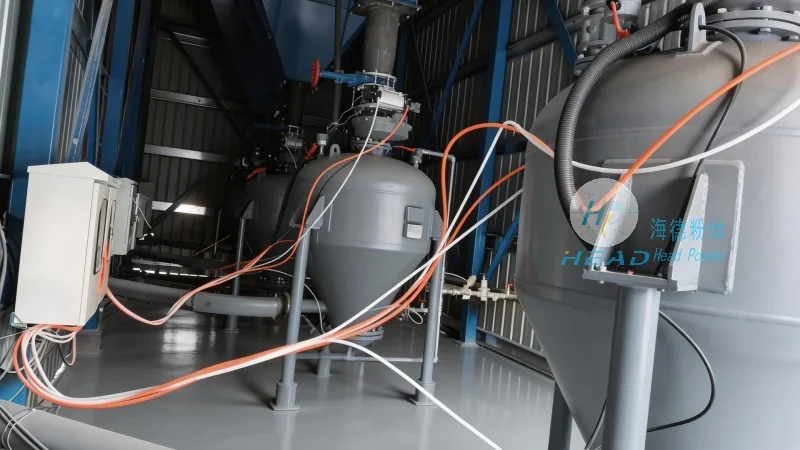
Advantages of Using Pneumatic Conveying for Nickel Powder
Compared to traditional methods like belt conveyors or bucket elevators, pneumatic conveying offers several advantages when handling nickel powder. One of the most significant benefits is the ability to transport material in a closed system, which prevents dust emissions and protects the environment. This is particularly important for nickel powder, which can be hazardous if inhaled or come into contact with skin. Additionally, pneumatic conveying allows for precise control over flow rates and material distribution, ensuring that the correct amount of powder is delivered to the processing equipment. This precision helps optimize production processes and reduce material waste. Another advantage is the reduced risk of material degradation, as the system minimizes particle impact and friction. For nickel powder, which is often sensitive to these factors, this can lead to higher product quality and lower costs. Furthermore, pneumatic conveying systems are relatively compact and can be easily integrated into existing production lines, making them a flexible solution for various industrial settings.
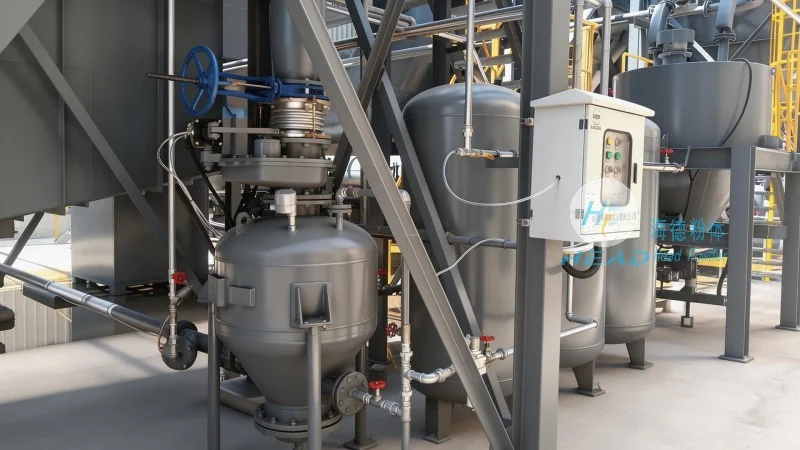
Challenges and Solutions in Nickel Powder Pneumatic Conveying
Despite its benefits, pneumatic conveying of nickel powder presents several challenges that must be addressed to ensure efficient operation. One of the main challenges is the potential for material buildup or blockages in the pipeline, especially if the powder is sticky or has high moisture content. To mitigate this, systems often include features such as vibration devices, air knives, or rotary valves to prevent clogging. Another challenge is the need to maintain consistent air pressure and flow rates, as fluctuations can affect material transport efficiency. This requires the use of high-quality blower or compressor systems with variable speed drives to adjust to changing conditions. Additionally, the system must be designed to handle the specific properties of nickel powder, such as its density and particle size distribution. For example, larger particles may require different conveying velocities to prevent settling or segregation. Manufacturers like Shandong HeadPowder Engineering Co., Ltd. specialize in designing and implementing customized pneumatic conveying solutions that address these challenges, ensuring reliable and efficient operation for their clients.
Conclusion
Nickel powder pneumatic conveying is a sophisticated and essential technology in the industrial handling of nickel powder. By understanding the classification of pneumatic systems and their applications, manufacturers can optimize their material handling processes, improve product quality, and enhance operational efficiency. The use of closed systems, precise control, and specialized components ensures that nickel powder is transported safely and effectively, meeting the demands of modern manufacturing. As the demand for high-performance materials continues to grow, the importance of efficient pneumatic conveying systems for nickel powder will only increase, making it a critical component in the supply chain for industries such as stainless steel and superalloys.