

What is Zinc Oxide Powder Pneumatic Conveying? Classification and Applications of Pneumatic Conveyin
HeadPowder, a leading provider in the field of material handling solutions, specializes in the efficient and reliable transportation of zinc oxide powder through pneumatic conveying systems. This article explores the fundamental aspects of zinc oxide powder pneumatic conveying, including its classification and practical applications in various industrial settings.
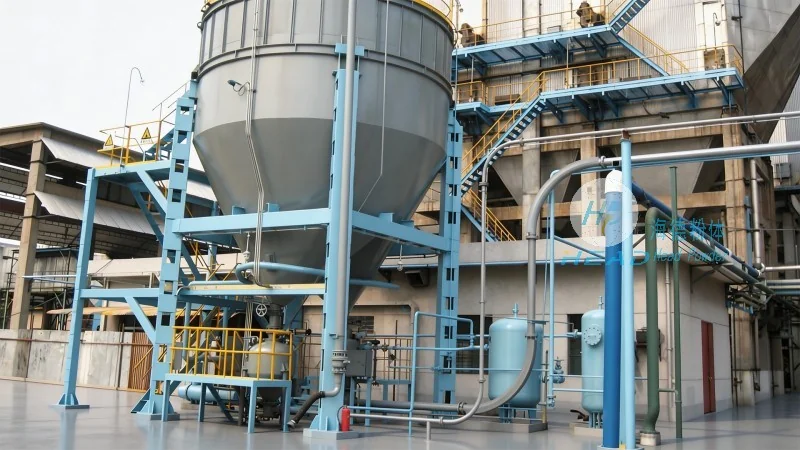
Understanding Pneumatic Conveying for Zinc Oxide Powder
Zinc oxide powder pneumatic conveying involves the use of air or other gas streams to transport dry powder materials, such as zinc oxide, from one location to another. This method offers several advantages over traditional mechanical conveying systems, including reduced equipment wear, improved safety, and enhanced process control. The core principle is to create a flow of air that lifts and transports the powder particles through a pipeline network, ensuring a smooth and continuous material transfer process.
Types of Pneumatic Conveying Systems
There are primarily two types of pneumatic conveying systems used for zinc oxide powder transportation: aspirating (or suction) systems and blowing (or pressure) systems. Each type has distinct characteristics and is suitable for different operational requirements.
Aspirating systems operate by creating a negative pressure at the material inlet, drawing the powder into the conveying line. These systems are ideal for applications where the material source is at a higher elevation than the destination, as they can effectively pull the powder upward. They are commonly used in scenarios where the material is to be transferred from a hopper or silo to a processing unit.
Blowing systems, on the other hand, generate positive pressure at the material inlet, pushing the powder through the conveying line. This type is suitable for applications where the material source is at a lower elevation than the destination, as it can efficiently move the powder downward. Blowing systems are often preferred in industrial settings where the material needs to be transported over longer distances or through complex pipeline configurations.
Key Components of Zinc Oxide Powder Pneumatic Conveying Systems
Effective pneumatic conveying of zinc oxide powder relies on several critical components that work in tandem to ensure optimal performance. These components include:
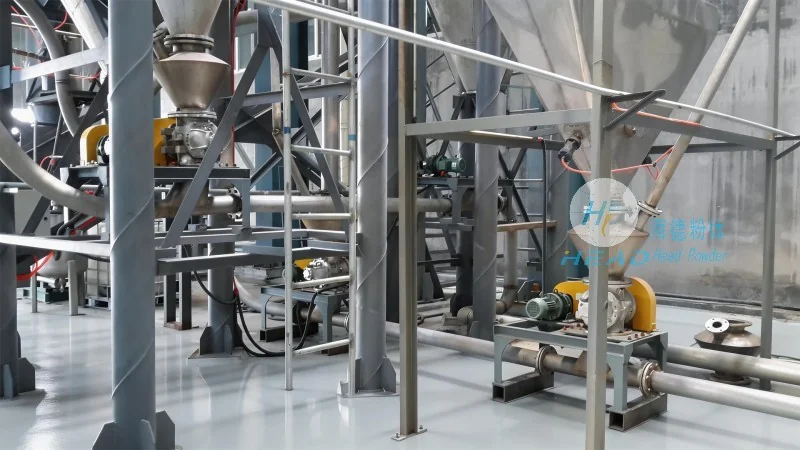
1. Air Supply Unit: This component generates the necessary air or gas flow, typically using a blower or compressor. The air supply unit is responsible for maintaining the required pressure and flow rate to move the powder particles through the system.
2. Conveying Line: The pipeline network that transports the powder and air mixture. The line is usually made of materials resistant to corrosion and abrasion, such as stainless steel or plastic, to ensure durability and prevent material contamination.
3. Material Inlet and Outlet: The inlet is where the zinc oxide powder is introduced into the system, often equipped with a hopper or feeder to control the flow rate. The outlet is where the powder is discharged, typically into a storage tank or processing equipment.
4. Filter and Dust Collector: As the powder is transported through the system, fine particles may be released into the air. A filter or dust collector is essential to capture these particles, ensuring compliance with environmental regulations and maintaining a clean working environment.
Applications of Zinc Oxide Powder Pneumatic Conveying
Zinc oxide powder is widely used in various industries, including pharmaceuticals, ceramics, and rubber manufacturing. The pneumatic conveying of this material is crucial for maintaining product quality and ensuring efficient production processes. Some common applications include:
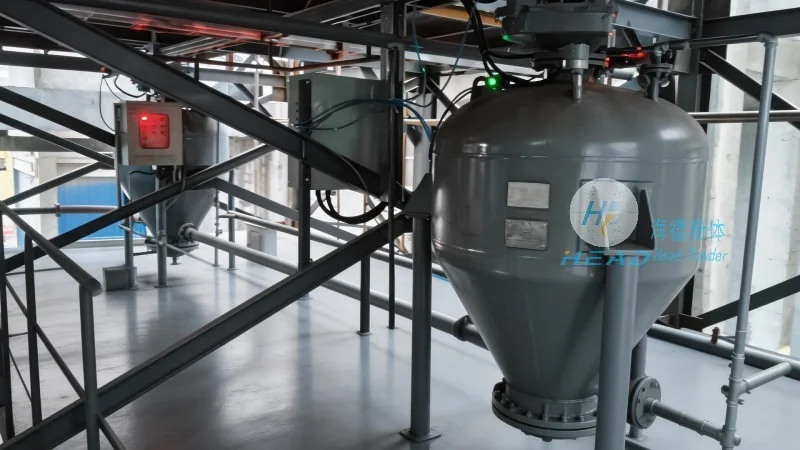
1. Pharmaceutical Industry: Zinc oxide is a key ingredient in many pharmaceutical products, such as ointments and creams. Pneumatic conveying is used to transport the powder from storage silos to mixing and packaging equipment, ensuring a sterile and controlled environment.
2. Ceramic Manufacturing: In the production of ceramic products, zinc oxide is used as a flux or pigment. The pneumatic conveying system efficiently transports the powder to the mixing and molding processes, maintaining consistent particle size and distribution.
3. Rubber and Tire Manufacturing: Zinc oxide is an essential additive in rubber compounds, contributing to the material's strength and durability. The pneumatic conveying system ensures the uniform distribution of zinc oxide powder in the rubber mix, improving the final product's quality.
Benefits of Using Pneumatic Conveying for Zinc Oxide Powder
Implementing pneumatic conveying systems for zinc oxide powder offers several benefits that enhance operational efficiency and product quality. These benefits include:
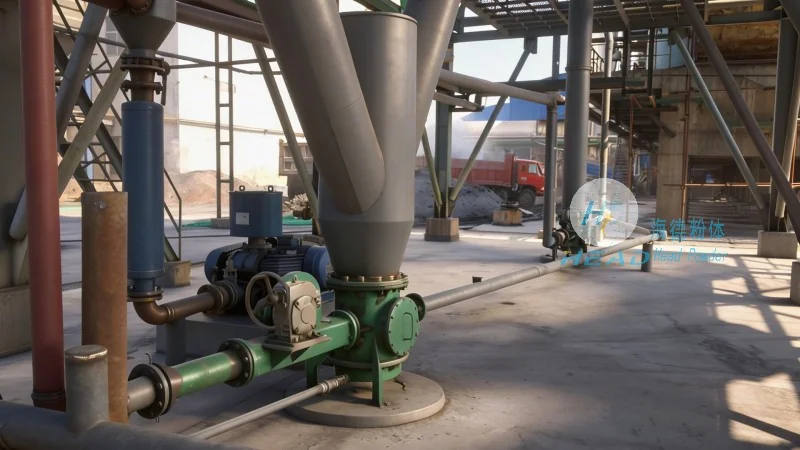
1. Improved Safety: Pneumatic conveying eliminates the need for manual handling of powders, reducing the risk of dust exposure and potential health hazards.
2. Enhanced Process Control: The system allows for precise control over the flow rate and pressure, ensuring consistent material transfer and minimizing product variability.
3. Reduced Equipment Wear: Unlike mechanical conveying systems, pneumatic conveying minimizes friction and wear on equipment, leading to lower maintenance costs and longer equipment lifespan.
4. Environmental Compliance: The use of filters and dust collectors in the system helps to capture and remove airborne particles, ensuring compliance with environmental regulations and maintaining a clean workplace.
Conclusion
HeadPowder, with its expertise in material handling solutions, provides comprehensive pneumatic conveying systems tailored to the specific needs of zinc oxide powder transportation. By understanding the different types of pneumatic conveying systems and their applications, industries can optimize their material handling processes, improve product quality, and enhance overall operational efficiency. The efficient and reliable transportation of zinc oxide powder through pneumatic conveying systems is a critical component in modern industrial operations, and HeadPowder is committed to delivering high-quality solutions that meet the evolving demands of the market.